
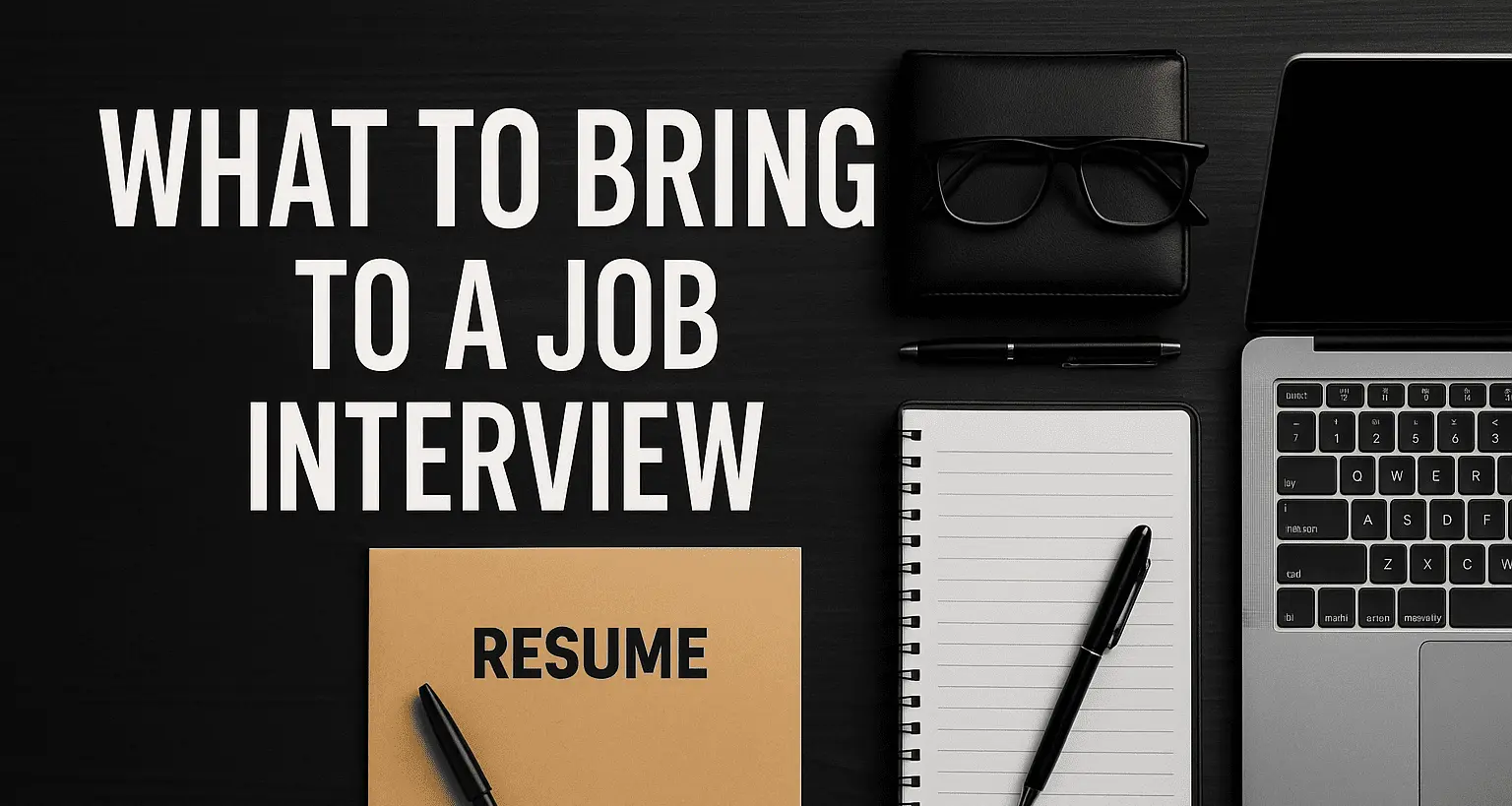
Showing up to your job interview without the right materials is like heading to battle without armor—you're immediately at a disadvantage. I've watched countless talented candidates stumble not because they lacked skills, but because they forgot crucial items that could have showcased their professionalism. Knowing what to bring to a job interview transforms you from "just another candidate" into someone who clearly respects the opportunity and comes prepared to impress. This isn't about lugging a suitcase of stuff—it's about packing smart essentials that demonstrate your readiness, organization, and commitment to landing the role.
Whether you're facing your first interview or your twentieth, hiring managers notice every detail, from your handshake to what you pull from your bag when they ask for references. In this guide, we'll break down exactly what to bring to a job interview. By the end, you'll have a checklist ensuring you walk in confident, equipped, and ready to nail every moment.
Why Preparedness Matters
First impressions form within seconds, and your preparedness speaks volumes before you even answer a question. When you reach into your portfolio and smoothly hand over a crisp resume, you signal professionalism. When you pull out a notepad to jot down insights, you show attentiveness and genuine interest. These small gestures build credibility.
Research from career experts shows that candidates who arrive organized are perceived as more competent and detail-oriented, traits every employer values. Plus, having the right items on hand lets you focus on selling your skills rather than worrying about what you're missing.
Must-Have Items
Let's start with the absolute essentials—the items you should never leave home without when heading to an interview. These are the foundation, regardless of industry, role, or format.
Resume Copies
Even if you submitted your resume online, bring at least three to five printed copies on high-quality paper. Interviewers sometimes forget to print it, or you might face a panel where not everyone has a copy. Handing them a fresh resume immediately looks professional and saves awkward pauses. Print on clean, white or off-white paper—nothing fancy, just crisp and readable. Keep them in a folder or portfolio to avoid wrinkles.
Professional References
Prepare a separate document listing three to five references with their full names, titles, companies, phone numbers, and email addresses. Include a brief note about your relationship with each—like "former manager at XYZ Corp" or "colleague on Project Alpha." Some interviews request references on the spot, and having them ready demonstrates foresight. Make sure you've contacted these folks beforehand so they're expecting calls.
Notepad and Pen
Bring a clean notepad—leather-bound or professional-looking—and at least two pens. Taking notes shows you're engaged and value what they're sharing. Jot down key points about the role, team dynamics, or projects they mention. Just maintain eye contact and write sparingly; don't transcribe everything verbatim. This balance signals active listening.
Prepared Questions
Write down five to seven thoughtful questions about the role, team, or company culture. When they ask, "Do you have any questions for us?" you'll have them handy instead of drawing a blank. Tailor these to what you've learned—maybe asking about challenges the team faces or what success looks like in the first 90 days. Keep it visible in your notepad so you can casually refer to it. Learn more about interview questions.
Location & Contact Info
Store the interview location address, parking details, and the recruiter's phone number somewhere easily accessible—your phone notes or a printed sheet. If you're running late, having that contact info lets you call ahead rather than ghosting. Map your route the night before and add buffer time for delays. For virtual interviews, test your meeting link and save it in multiple places.
Industry-Specific Materials
Tailor what you bring to match the role's demands:
- Creative Roles: Portfolio with best work—print or digital
- Technical Roles: Laptop for assessments, GitHub projects loaded
- Sales: Performance metrics, testimonials, case studies
- Education: Lesson plans, curriculum samples, student feedback
Smart Extras
Beyond the must-haves, optional items can enhance your interview experience and leave a lasting impression.
Fresh Breath & Hydration
Pack breath mints and a small water bottle. Pop a mint before entering the building—just don't chew gum during the interview. Interviews can run long, and nerves dry out your mouth fast. Sipping water also buys you a second to collect your thoughts if you're hit with a tough question.
Business Cards & Phone
A simple business card with your name, phone, email, and LinkedIn can be a classy move. Charge your phone fully the night before and silence it before entering—no vibrations either. Keep it tucked away unless absolutely necessary.
Backup Essentials
Pack a lint roller, stain remover pen, or spare shirt in your car. Accidents happen—coffee splashes, seams split—and having a quick fix option saves the day. These tiny insurance policies let you walk in looking polished.
Credentials & Certifications
If the role requires specific credentials—like a PMP certification, real estate license, or teaching credential—bring copies. While they likely reviewed these in your application, having them on hand shows you're organized and ready to verify instantly.
What NOT to Bring
Just as important as knowing what to bring is understanding what to leave behind. Certain items create distractions or send the wrong message.
- Food or Drinks (Except Water): Don't show up with a coffee cup or snack. Finish your coffee before entering.
- Large Bags: A bulky bag is cumbersome and unprofessional. Opt for a sleek portfolio or briefcase.
- Sunglasses or Hats: Remove these before entering. Wearing them inside reads as disrespectful.
- Strong Scents: Scents can be polarizing or trigger allergies. Keep fragrances light or skip entirely.
- Plus-Ones: Unless you need accessibility support, arrive alone. Bringing someone suggests you lack confidence.
- Negative Energy: Leave complaints about past employers or personal drama at the door.
- Wrinkled Materials: Crumpled resumes signal carelessness. Everything should look fresh and clean.
When in doubt, err on the side of minimalism and professionalism. For a comprehensive guide on interview faux pas, see what not to bring to a job interview. Also learn about red flags to avoid.
Organization Matters
Knowing what to bring is step one—organizing it so you can access everything smoothly is step two. Nothing's worse than fumbling through a messy bag while the interviewer waits.
Get a Professional Portfolio
Invest in a sleek portfolio case or padfolio that holds your resumes, references, and notepad without creasing them. Leather or faux-leather options exude professionalism, while simple nylon portfolios work fine if they're clean and structured. Your materials' presentation matters as much as their content.
Organize Strategically
Place essentials in the main compartment where you can grab them instantly. Tuck extras in side pockets or a small pouch. Organize logically: What you'll need first (resume) goes on top. What's backup (certifications, water bottle) stays tucked away until needed.
Do a Practice Run
Lay everything out and simulate reaching for items as if you're in the interview. Can you smoothly hand over your resume without shuffling? Are your questions visible without awkward page-flipping? This rehearsal catches organizational hiccups before they matter. Pack everything into your portfolio and leave it by the door, so you're grab-and-go in the morning.
Day-Of Checklist
Use this quick checklist before heading out. A few minutes of verification prevents hours of regret.
- Confirm interview time, location, and format (in-person or virtual)
- Check your outfit for wrinkles, stains, or missing buttons
- Verify you have multiple resumes, reference list, notepad, and pens
- Pack any industry-specific materials (portfolio, certifications, laptop)
- Toss in extras like mints, water, and backup phone charger
- Double-check directions and parking info or test your video link
- Silence your phone and store it securely
- Review your prepared questions and STAR stories one last time
- Leave early enough to arrive 10-15 minutes before your slot
- Take a deep breath and remind yourself: You've got this
For overall prep, see our preparation guide.
Handling Unexpected Situations
Even with perfect preparation, curveballs happen. Maybe you spill coffee on your shirt or the office building's locked. The key is to stay calm, adapt quickly, and communicate proactively.
Running Late? Text or call the recruiter immediately. Apologize briefly, provide an honest ETA, and express your eagerness to still meet. Most interviewers appreciate the heads-up and will accommodate minor delays.
Forgot Key Materials? Politely ask if they have a copy or if you can email it right then. If you forgot questions, improvise based on the conversation. Handling it gracefully shows adaptability.
Wardrobe Mishap? Use that backup kit you wisely packed. If it's unfixable, address it with humor: "Apologies for the coffee stain—hazard of the morning commute!" Then move on. Self-awareness and grace under pressure can actually endear you to interviewers.
The takeaway? Preparation includes mental agility. You can't control every variable, but you can control your response. When you stay composed, you demonstrate the kind of temperament employers want—someone who doesn't crumble when things don't go perfectly.
Post-Interview Follow-Up
Your interview doesn't end when you shake hands goodbye. Send each interviewer a personalized thank-you email within 24 hours. If you don't hear back, a polite follow-up a week later is appropriate.
Common FAQ
Should I bring my transcripts or degree certificate? Only if the job listing specifically requests them. They'll verify credentials during background checks if you get an offer.
Do I still bring resume copies if they already have mine? Absolutely. Digital files get lost, not everyone prints them, and panels might include last-minute attendees. Having extras shows foresight.
Can I bring a tablet instead of paper? It's acceptable in tech-forward industries, but test it beforehand. Paper is often safer because it's universally professional and doesn't risk tech hiccups.
Should I bring my phone to the interview? Yes, for emergencies and navigation. But silence it completely and keep it out of sight. Never place it on the table or check it—it signals divided attention.
You're Ready to Impress
You now have a roadmap for what to bring to a job interview, covering essentials, industry-specific materials, smart extras, and the mindset to handle anything unexpected. This isn't about paranoia or overpacking—it's about respecting the opportunity and giving yourself every advantage to succeed. When you walk into that room with everything you need, you signal to interviewers that you're organized, thoughtful, and ready to deliver.
Remember, preparation isn't just logistical—it's psychological. Knowing you've covered your bases quiets anxiety and frees you to be present, authentic, and engaging. That confidence translates into better answers, stronger connections, and ultimately, job offers.
So take this checklist, customize it to your field and role, and make it your own. Pack thoughtfully, organize intentionally, and walk in knowing you've done everything possible to set yourself up for success. Now go show them why you're the one they've been searching for.
For more guidance, check out our interview questions, strengths guide, and dress code tips.