
You walked out of that interview feeling like you nailed it—firm handshake, solid answers, maybe even some genuine laughter. Now comes the waiting game. Days pass, your inbox stays quiet, and doubt creeps in. Should you reach out? Will a well‑timed follow‑up email make you look desperate, or could it be the nudge that lands you the job? Spoiler: It's often the latter. A thoughtful message keeps you top of mind and shows authentic interest—not just box‑checking.
Crafting messages that land after an interview requires clarity, warmth, and precision. This guide shares timing strategies, structure tips, and seven ready-to-use follow-up email templates for every situation—from first-round thanks to post-silence check-ins to panel interview acknowledgments. And don't forget to pair your follow-up with solid interview prep—check out our guide on AI interviews to ace your next conversation. Master the art of the professional follow-up and transform momentum into results.
Why Post-Interview Follow-Up Messages Matter
Let's address the elephant in the room: Does anyone even read these? Absolutely. According to a survey by TopResume, 68% of hiring managers say a thank-you note influences their decision, even if just slightly. Think about it from their side—they're juggling dozens of candidates, back-to-back meetings, and tight deadlines. Your email is a gentle reminder that you exist and care enough to invest extra effort.
Beyond the numbers, there's a human element. A genuine, well‑crafted follow‑up can reinforce points you made, clarify something you wish you'd framed better, or add a detail that strengthens your case. Maybe you forgot to mention a relevant project, or the interviewer surfaced a challenge your skills directly address. This is your second shot to shine.
It also keeps you visible in a crowded field. If two candidates are neck-and-neck, and one sends a polished follow-up while the other goes radio silent, who do you think they'll remember warmly? It's not manipulation—it's smart relationship-building. Plus, in industries where communication is critical (think sales, marketing, client services), your follow-up is a mini demonstration of those skills in action.
But timing is everything. Send too soon, and you seem impatient. Wait too long, and they've already moved on. We'll nail down that sweet spot next, but first, understand that this isn't just courtesy—it's strategy wrapped in manners.
Timing Your Follow-Up Message
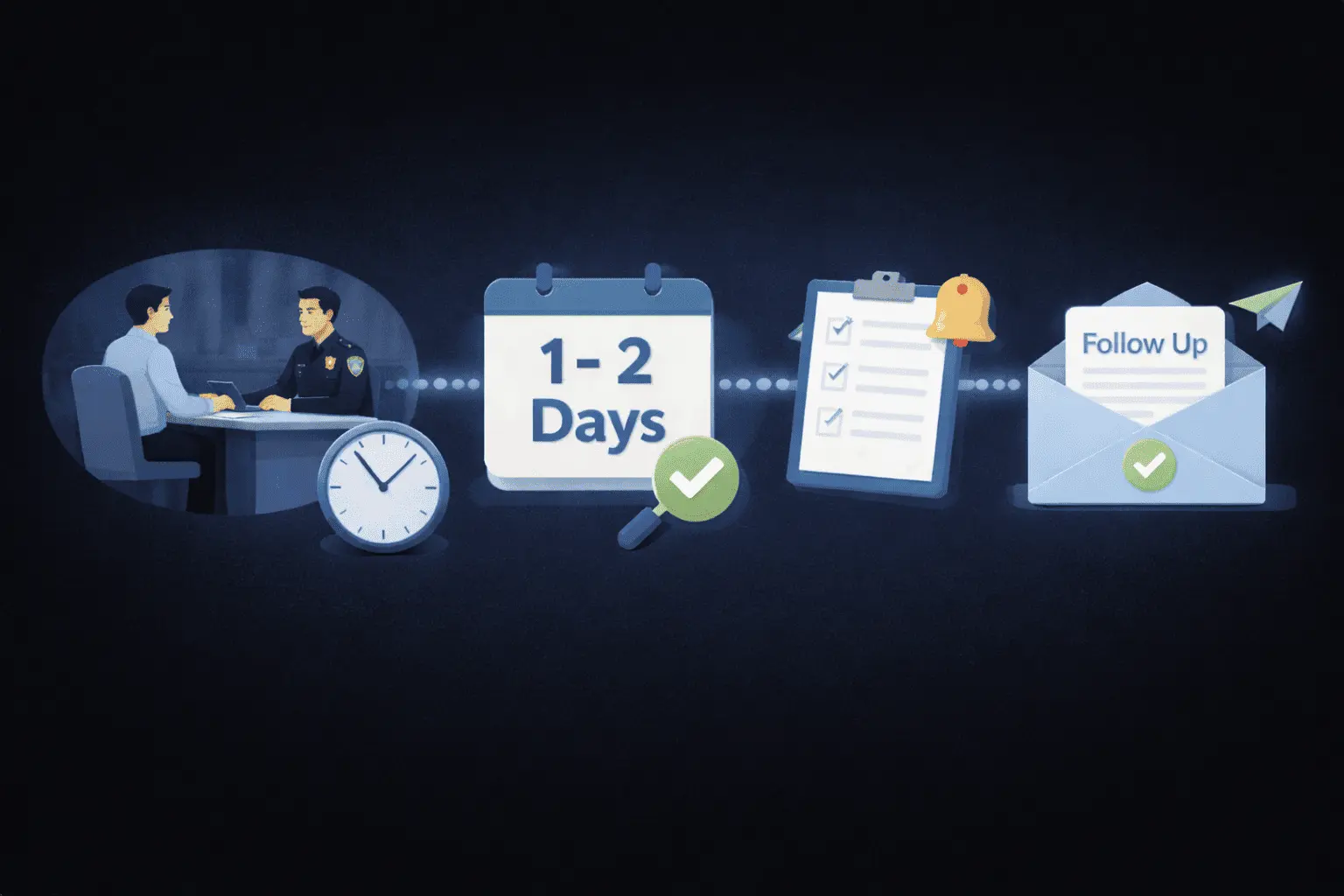
Here's the golden rule: Send a thank-you email within 24 hours of your interview. This shows promptness without seeming robotic. If your interview was on Tuesday afternoon, aim for Wednesday morning—fresh in their inbox but not intrusive. For multi-stage processes, the timeline shifts a bit.
After that initial thank-you, if you don't hear back by their stated timeline (they usually say "we'll reach out in a week"), wait an extra 2–3 business days before checking in. So if they said seven days and it's now day ten, that's your window. This second message is a status inquiry, not a thank‑you rehash. Keep it light: "Just touching base to see if there's an update on the [role] position."
For special cases—like if you've had multiple rounds or met with a big team—send a brief note to each person you spoke with individually. Generic group emails lack impact. Tailor each one with a specific talking point from your chat with them. It takes effort, but it pays off.
One caveat: If they explicitly said "Don't call us, we'll call you" or the application portal warns against follow-ups, respect that. But those are rare. Most companies welcome (or at least tolerate) one or two well-spaced emails. Use judgment—if you've sent three with no response, it's time to move on gracefully.
Key Elements of an Effective Message
A killer follow-up isn't complicated, but it does need structure. Think of it as a mini three-act story: gratitude, reinforcement, and a call to action. Here's the breakdown:
- Subject Line That Gets Opened: Keep it simple and clear. "Thank You – [Your Name]" or "Following Up on [Position] Interview" work great. Avoid vague lines like "Quick Question" that could be spam.
- Warm Opening: Address them by name (double-check spelling!). Start with genuine thanks: "I really appreciated the chance to chat about the Marketing Manager role yesterday."
- Specific Callback: Reference something unique from your talk—a project they're excited about, a company value they mentioned, or a challenge you discussed. This proves you were listening, not auto-piloting.
- Reinforce Your Fit: Briefly (1-2 sentences) tie your skills back to their needs. "Our conversation about scaling the team reinforced my belief that my experience leading remote hires would add value."
- Forward-Looking Close: Express enthusiasm for next steps without demanding answers. "I'm excited about the possibility of contributing to [Company]. Please let me know if you need any additional info from my end."
- Professional Sign-Off: "Best regards," "Sincerely," or "Thanks again" followed by your full name and contact info (even if it's in your signature—make it easy for them).
Length-wise, aim for 150-250 words. Busy people skim, so white space is your friend. Break up dense paragraphs, use bullet points if listing something, and proofread ruthlessly. A typo here can undo your interview wins.
One last tip: Avoid gimmicks. No memes, no overly casual language unless the company culture screams startup‑casual, and definitely no "just circling back" overload. Be professional, warm, and human. That's the winning combo for any effective follow‑up email.
7 Ready-to-Use Templates
Enough theory—let's get practical. Below are seven templates for common situations. Customize them with your details, but the bones are solid. Copy, tweak, and send with confidence.
Template 1: Classic Thank-You
Subject: Thank You – [Your Name]
Hi [Interviewer's Name],
Thank you for taking the time to discuss the [Job Title] position. I enjoyed learning about your team's approach to [specific topic] and your plans for [goal mentioned].
Our conversation reinforced my interest. My background in [relevant skill] aligns with your needs, and I'm excited about contributing to [specific project].
Please don't hesitate to reach out if you need any further information. I look forward to hearing from you!
Best regards,
[Your Full Name]
[Phone] - [Email]
Template 2: Panel Interview
Subject: Great Connecting – [Your Name]
Hi [Panel Member's Name],
Thank you for being part of yesterday's panel interview for the [Job Title] role. I appreciated your insights on [specific topic discussed].
Your perspective reinforced that [Company] values the qualities I bring. I'm excited about this opportunity.
Thanks again for your time and consideration!
Warm regards,
[Your Full Name]
Template 3: Check-In
Subject: Following Up – [Job Title]
Hi [Interviewer's Name],
I wanted to touch base on the [Job Title] position discussed on [date]. I remain very interested in the role.
If you need additional information, I'm happy to provide it. Thanks for your consideration.
Looking forward to hearing from you!
Best,
[Your Full Name]
Template 4: Clarification
Subject: Additional Thought – [Your Name]
Hi [Interviewer's Name],
Thank you for the conversation about the [Job Title] role. I wanted to add that my experience with [relevant skill] directly addresses the [challenge] you mentioned.
At [Previous Company], I [brief achievement]. I think this strengthens my fit for the role.
Thanks for considering my candidacy—I'm really excited about this opportunity!
Sincerely,
[Your Full Name]
Template 5: Second Round
Subject: Thank You – Round Two
Hi [Interviewer's Name],
Thank you for the second interview. Learning about [specific detail] strengthened my interest in the [Job Title] role.
My skills in [area] align with your goals. I'm eager to contribute and happy to discuss next steps.
Thanks again for the opportunity!
Best,
[Your Full Name]
Template 6: Status Update
Subject: Checking In – [Job Title]
Hi [Interviewer's Name],
It's been a few weeks since we spoke about the [Job Title] position, and I remain very interested in the role and [Company].
I understand timelines shift. If you have an update, I'd appreciate knowing. I'm committed to the opportunity.
Thanks so much for keeping me in the loop!
Warm regards,
[Your Full Name]
Template 7: Rejection
Subject: Thank You and Future Opportunities
Hi [Interviewer's Name],
Thank you for the update on the [Job Title] role. I appreciated learning about [Company] and your team.
I'd welcome consideration for similar roles in the future. I admire your work and remain interested in potential opportunities.
Wishing you and the team all the best!
Best regards,
[Your Full Name]
There you go—seven ready‑to‑roll templates. Pick the one that matches your situation, personalize, and send.
Email Mistakes to Prevent
Even with a template, it's possible to trip up. Here are the landmines I've seen candidates step on—and how to sidestep them gracefully.
- Being Too Generic: "Thanks for the interview" with zero personalization screams copy-paste. Always reference something specific from your chat.
- Overdoing the Flattery: "Your company is the best ever!" feels insincere. Stick to genuine observations: "Your commitment to sustainability aligns with my values."
- Writing a Novel: If your email needs a scroll bar, it's too long. Keep it punchy—three short paragraphs max.
- Typos and Errors: "Thank you for you're time" will haunt you. Proofread twice, use Grammarly, or have a friend check before sending.
- Sounding Desperate: "I NEED this job!" comes off as needy. Instead: "I'm very enthusiastic about this opportunity and believe I'd be a great fit."
- Ignoring Their Timeline: If they said they'd respond in two weeks, don't email on day three asking for updates. Patience shows professionalism.
- Forgetting a Call to Action: End vaguely with "Hope to hear soon" leaves it floating. Try: "Looking forward to the next steps—please let me know if you need anything else."
- Sending to the Wrong Person: Double-check the recipient. Sending a personalized email meant for "Sarah" to "John" is awkward and unprofessional.
Avoid these pitfalls and your follow‑up will stand out for all the right reasons. This is your professional brand in action—make it count.
Handling Different Response Scenarios
Quick Positive Response
A fast, warm response is a great sign. Reply briefly, then let them drive the next move.
They Reply But It's Vague
"We're still reviewing candidates" or "You'll hear soon" is neutral. Don't panic. Thank them for the update, express continued interest, and wait another week or so before following up again if needed.
No Response
Wait 5-7 business days and send a second check-in. If still nothing, it's time to move on.
Rejection
Thank them graciously and keep the door open. Professionalism can lead to future opportunities.
Info Requested
They want references or samples. You're still in the running. Respond within 24 hours.
Each scenario is a clue. Read the room (or inbox), adjust your approach, and stay patient. The job hunt is as much about resilience as skill.
Interview Preparation
Nailing the interview itself is the foundation. getmockinterview.com offers AI-powered practice with realistic scenarios and instant feedback. When you prepare thoroughly, writing that follow-up email becomes natural because you've already made a stellar impression.
Send and Follow Up
A polished follow-up email demonstrates professionalism and keeps you memorable. Whether thanking them within 24 hours or checking in after silence, each message shows you follow through—a crucial trait employers value.
Personalize using the templates provided. Reference specific projects or challenges discussed. Even if you don't land the role, professional communication keeps you on their radar for future opportunities.