
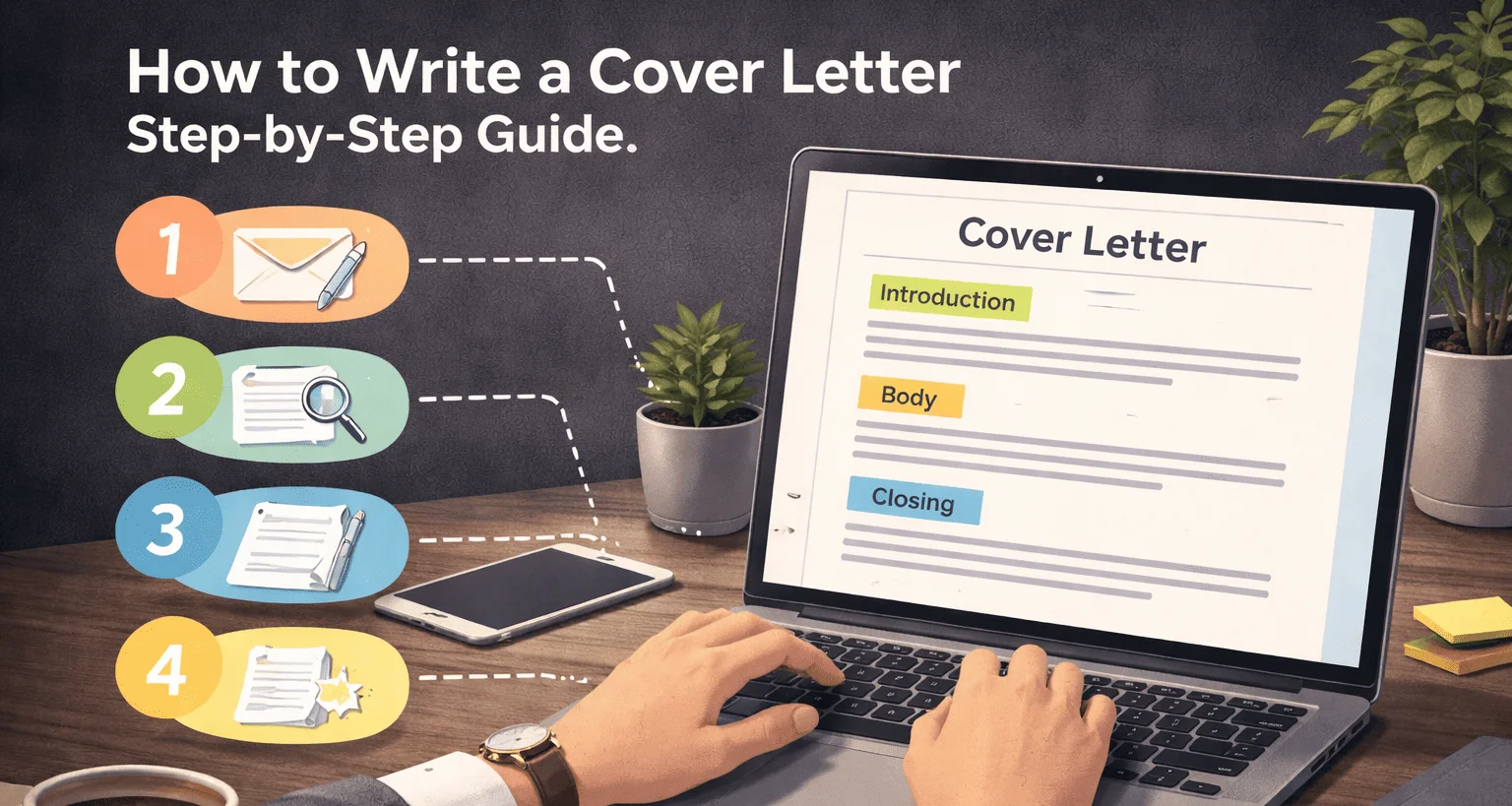
Learning how to write a cover letter is still a relevant skill, even as hiring becomes faster and more automated. A cover letter gives context to your resume, explains intent, and helps employers understand why you are applying.
This guide walks through how to write a cover letter step by step, focusing on structure, clarity, and relevance rather than formulas or generic phrases.
What a Cover Letter Is Meant to Do
A cover letter bridges the gap between your resume and the role. It explains motivation, highlights relevant experience, and shows how you interpret the job requirements.
While a resume lists qualifications, a cover letter explains alignment.
When You Should Write a Cover Letter
Cover letters are most valuable when:
- The employer requests one
- You are changing roles or industries
- You are applying through a referral
- The role emphasizes communication
- You want to explain career context
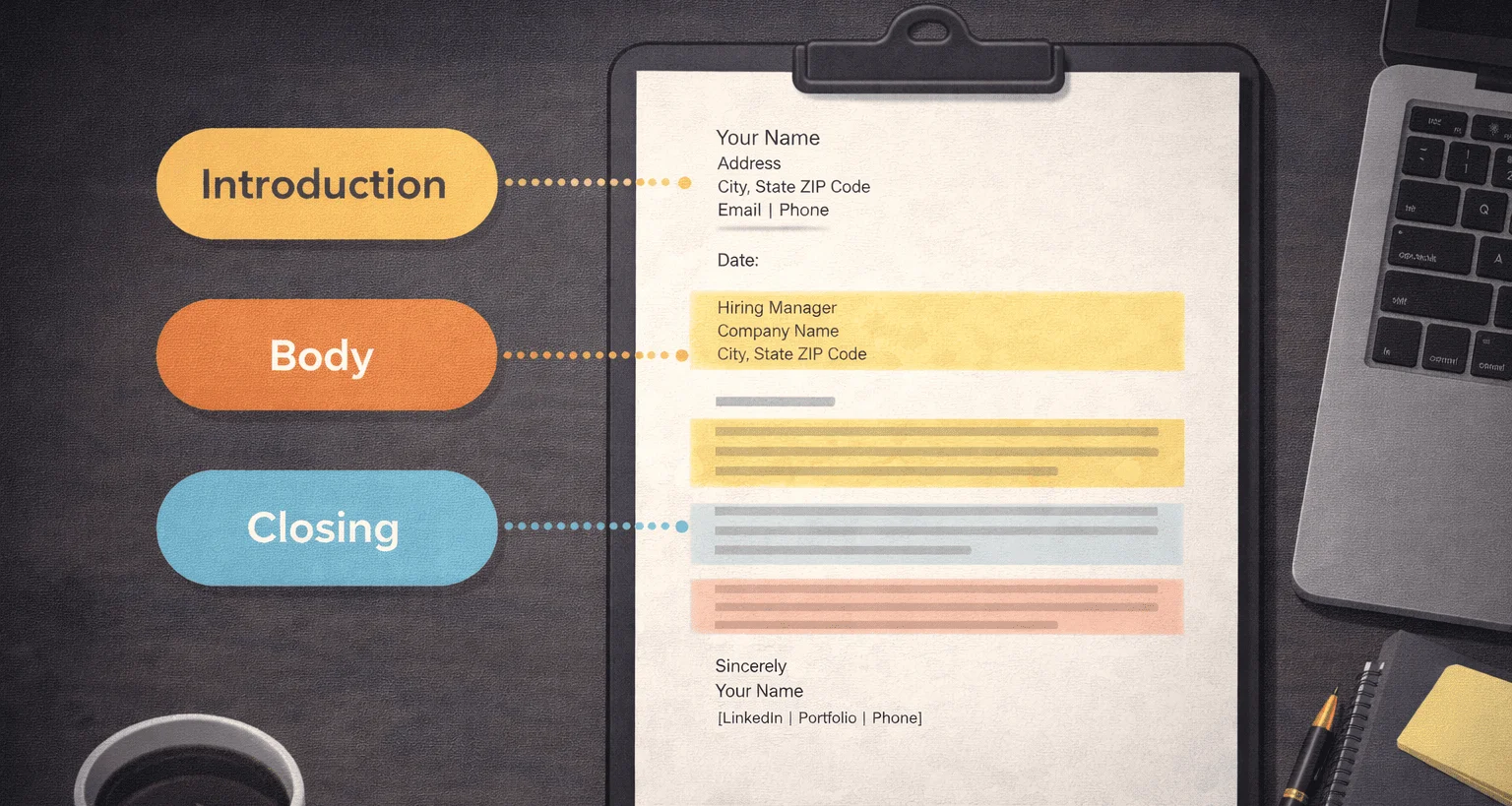
Step 1: Start With a Clear Opening
The opening paragraph should immediately state the role you are applying for and why you are interested. Avoid generic introductions.
A strong opening helps the reader understand your intent within seconds.
Step 2: Connect Your Experience to the Role
This is the core of how to write a cover letter effectively. Focus on two or three experiences that directly relate to the role’s requirements.
Explain why those experiences matter, not just what you did.
Step 3: Show Understanding of the Company
Employers look for candidates who understand their goals and challenges. Reference the company’s mission, products, or direction where relevant.
This shows preparation without overdoing research.
Step 4: Keep the Middle Focused and Specific
Avoid long career summaries. The middle section should stay focused on the role you are applying for.
Specific examples carry more weight than broad statements.
Step 5: Write a Professional Closing
The closing paragraph should reaffirm interest and signal readiness for next steps. Keep the tone confident but respectful.
Avoid overly casual or overly formal endings.
How Long a Cover Letter Should Be
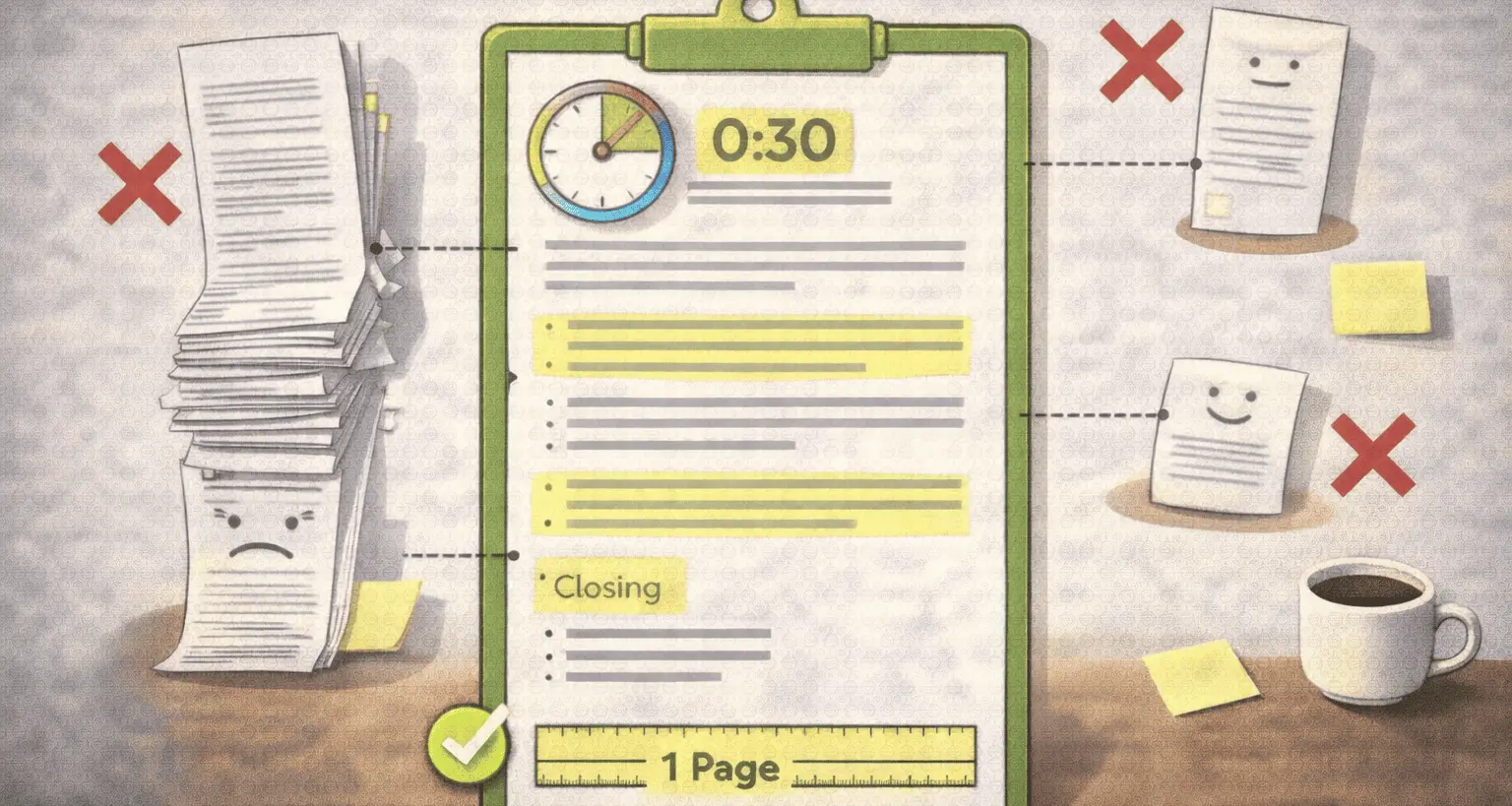
Most effective cover letters are between 250 and 400 words. This length supports clarity without unnecessary detail.
For more detail, see cover letter length guidelines .
Formatting Tips That Improve Readability
Formatting affects how your cover letter is read. Use short paragraphs and clear spacing.
- Limit paragraphs to 3–4 lines
- Use consistent font and spacing
- Avoid dense blocks of text
- Align formatting with your resume
Common Cover Letter Mistakes
Even strong candidates make avoidable errors when writing cover letters.
- Repeating resume bullet points
- Using generic phrases
- Writing without tailoring
- Overexplaining unrelated experience
- Skipping proofreading
Adapting a Cover Letter for Online Applications
Many applications use text boxes instead of attachments. The structure stays the same, but brevity becomes more important.
Focus on clarity over formatting in these cases.
How Cover Letters Support Interview Outcomes
Interviewers often reference cover letters when forming questions. Statements you make may shape the interview discussion.
This makes cover letter writing part of broader interview preparation.
Reviewing Before You Submit
Before submitting, review your cover letter for clarity, relevance, and tone. Ask whether the letter clearly explains why you are a fit for the role.
Small edits often make a significant difference.
Final Thoughts
Knowing how to write a cover letter is about intention, not templates. A well-written cover letter explains context, supports your resume, and strengthens your overall application.
Clear writing reflects clear thinking. In hiring, that clarity still matters.