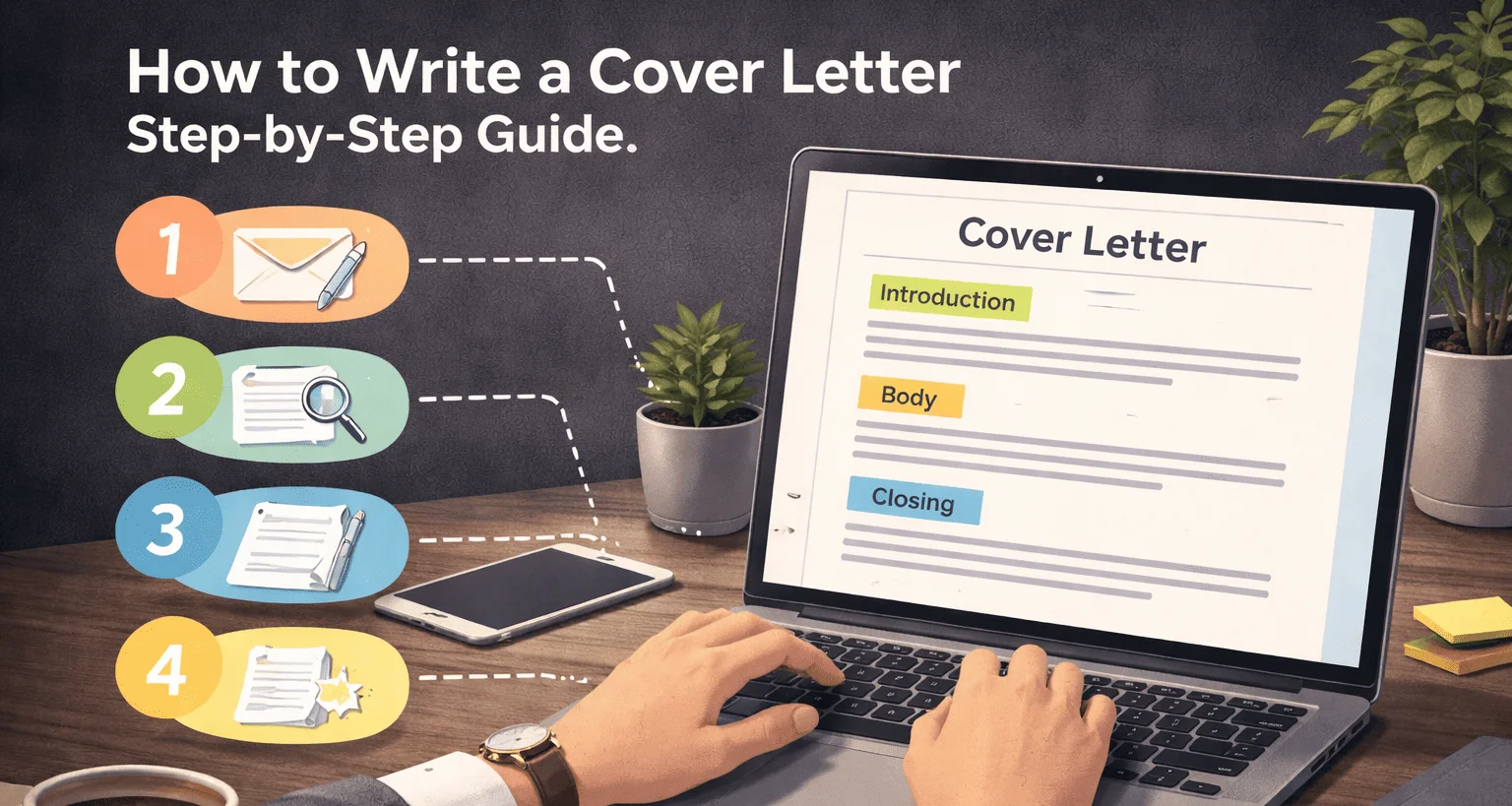

A well-written cover letter example helps candidates understand how structure, tone, and content come together in a real application. Seeing an example often clarifies expectations more effectively than abstract advice.
This guide breaks down a practical cover letter example, explains why it works, and shows how to adapt the structure for different roles without sounding generic.
Why Reviewing a Cover Letter Example Helps
Many candidates struggle not because they lack experience, but because they are unsure how to present it. A strong cover letter example demonstrates flow, emphasis, and clarity.
Examples also help identify what to include, what to leave out, and how long each section should be.
What Makes a Good Cover Letter Example
A useful example is not overly creative or overly formal. It is clear, focused, and aligned with the job being applied for.
- Direct opening that states the role
- Clear connection between experience and requirements
- Professional but natural tone
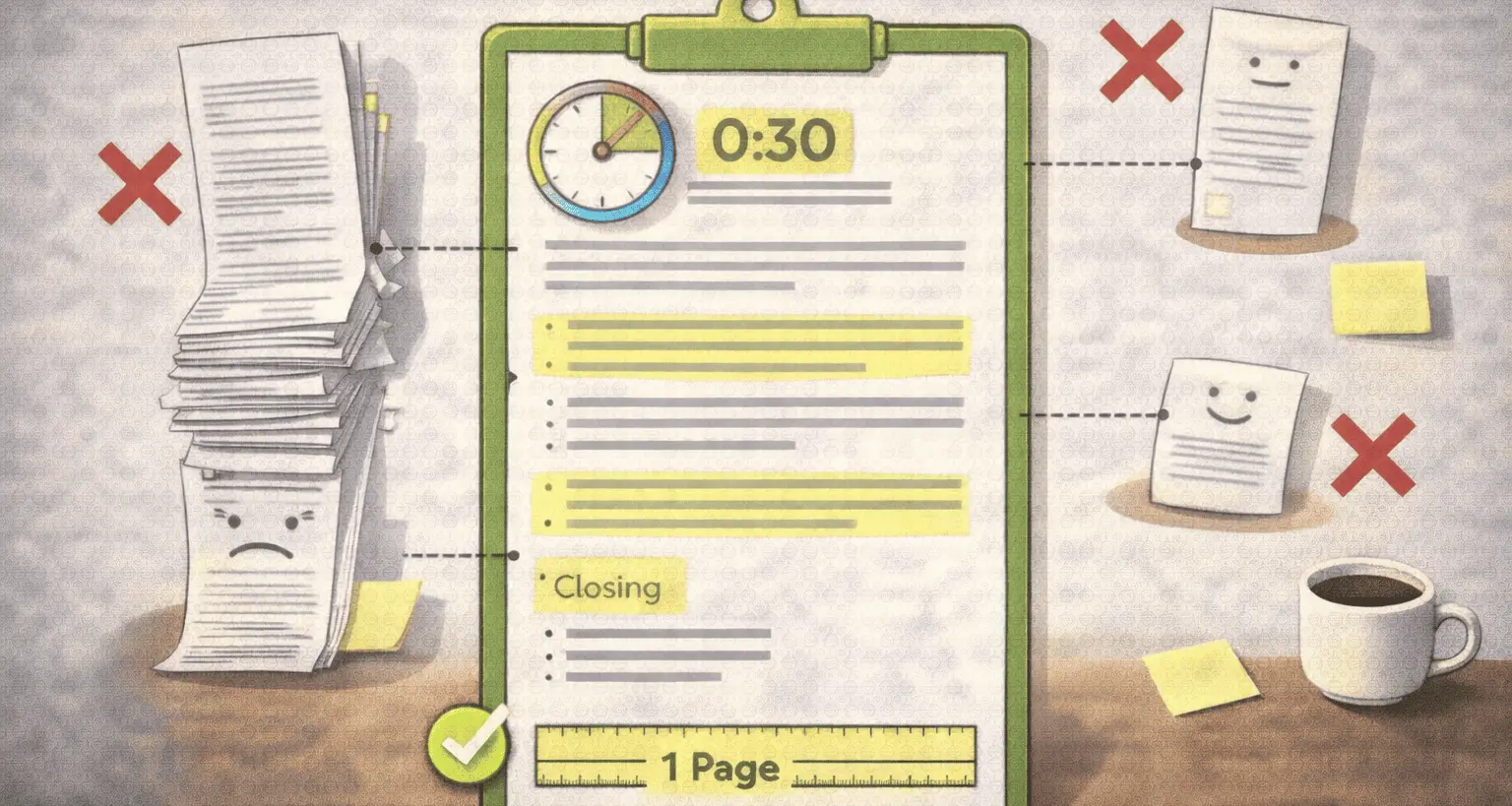
- Concise structure that fits one page
General Cover Letter Example Structure
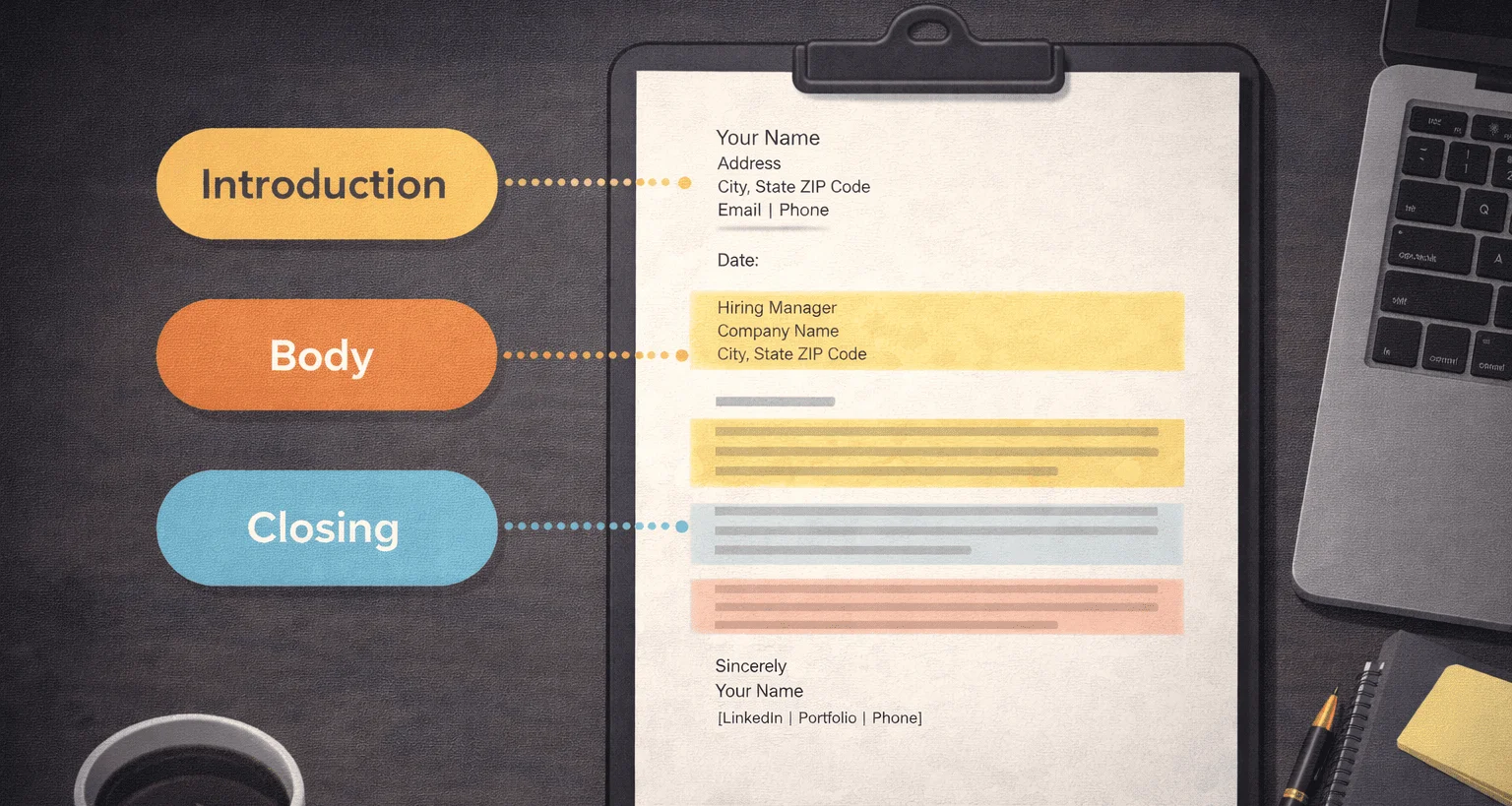
Before reviewing a full example, it helps to understand the structure most effective cover letters follow.
- Opening paragraph with role and motivation
- Middle section connecting skills to the role
- Closing paragraph with interest and next steps
Sample Cover Letter Example
Below is a simplified cover letter example. It is intentionally neutral so it can be adapted to different industries and roles.
Dear Hiring Manager,
I am writing to apply for the [Job Title] position. With experience in [relevant skill or area], I am interested in contributing to your team and supporting your current goals.
In my previous role, I worked on [specific responsibility or project], where I achieved [measurable or meaningful outcome]. This experience aligns closely with the requirements outlined in the job description.
I am particularly drawn to this role because of [company focus, mission, or challenge]. I would welcome the opportunity to discuss how my background can support your team.
Sincerely,
[Your Name]
Breaking Down the Example
This cover letter example works because each paragraph has a clear purpose. The opening sets context, the middle shows relevance, and the closing signals professionalism.
Nothing is repeated unnecessarily, and the focus remains on the role.
How to Adapt a Cover Letter Example
A cover letter example should be adapted, not copied. Replace generic phrases with details specific to the job and company.
Adjust language to match the seniority and expectations of the role.
Cover Letter Examples by Role Type
While structure stays consistent, emphasis changes by role.
- Entry-level roles emphasize learning and adaptability
- Mid-level roles focus on impact and ownership
- Senior roles highlight leadership and decision-making
Common Mistakes When Using Examples
Many candidates weaken their application by misusing examples.
- Copying examples word-for-word
- Leaving placeholders unchanged
- Using mismatched tone
- Overloading the letter with details
How Long a Cover Letter Example Should Be
Most effective examples are between 250 and 400 words. This length supports clarity without overwhelming the reader.
For deeper guidance, review cover letter length recommendations .
Using Examples During Interview Preparation
Statements in your cover letter often influence interview questions. Reviewing your example before interviews ensures consistency.
This makes examples part of broader interview preparation.
Final Review Checklist
Before submitting a cover letter based on an example, confirm that:
- The role and company are correct
- The tone matches the organization
- Examples reflect your actual experience
- The letter reads naturally aloud
Final Thoughts
A strong cover letter example provides guidance, not a script. When adapted thoughtfully, it helps candidates communicate relevance, motivation, and professionalism clearly.
The best examples support clarity while leaving room for your own voice.