
Interview preparation is often misunderstood. Most people think it means memorizing answers, rehearsing buzzwords, or watching a few motivational videos the night before. That approach usually backfires. Real preparation is quieter, more deliberate, and far more effective. It’s about understanding the role, shaping your stories, and walking into the interview knowing exactly how to communicate your value without overthinking every detail.
Strong interview readiness helps you get ready without overthinking, so you stay clear, focused, and confident instead of overwhelmed by uncertainty.
This guide breaks down preparing for interviews into practical steps you can actually follow. No generic advice, no robotic scripts. Just clear strategies that help you sound confident, structured, and human when it matters. If you want to go deeper, explore our guides on acing job interviews and passing interviews successfully.
What Interview Readiness Really Means
Good interview readiness is not about having perfect answers. It’s about reducing uncertainty. When you prepare properly, fewer things surprise you. You know what types of questions are coming, what examples you’ll use, and how to recover if you momentarily blank out.
Interviewers can usually tell within minutes whether a candidate prepared thoughtfully or just skimmed a few articles. Preparation shows up in clarity, pacing, and the ability to connect answers back to the role.
Start With the Role, Not Yourself
One of the biggest interview mistakes is preparing in isolation. Effective interview preparation starts with the job description. Read it slowly. Highlight repeated skills, responsibilities, and outcomes. Those patterns tell you exactly what the interviewer cares about.
Once you understand the role, you can shape your stories to match it. This is far more effective than trying to force generic answers into every question.
Build a Core Story Bank
Strong interview readiness relies on a small set of flexible stories you can reuse across many questions. You don’t need dozens. You need six to eight solid examples that demonstrate problem-solving, collaboration, ownership, conflict resolution, and growth.
- A challenging problem you solved
- A time you made a mistake and recovered
- A conflict you handled constructively
- A project you led or influenced
- A moment of learning or growth
- A high-pressure situation
These stories form the backbone of your interview answers. With practice, you’ll adapt them naturally instead of inventing new examples on the spot.
Use Structure Without Sounding Scripted
Structure is your safety net. Frameworks like STAR help you stay organized, especially during behavioral questions. The key is using structure lightly. Interviewers want clarity, not a checklist.
If you struggle with storytelling, reviewing common behavioral interview questions before your interview can help you anticipate where structure matters most.
Practice Out Loud, Not in Your Head
Mental rehearsal feels productive, but it hides problems. Real interview practice happens when you speak your answers out loud. This exposes rambling, unclear phrasing, and pacing issues that silently weaken strong content.
Record yourself. Time your answers. You don’t need perfection, but you do need awareness. Most strong answers land in the 60–120 second range.
How Interview Preparation Changes by Format
Preparing effectively changes slightly depending on format. A phone screen is different from a panel interview. A case interview demands different skills than a culture interview.
- Phone screens: Clear, concise answers matter more than detail
- Video interviews: Eye contact, pauses, and energy become visible
- Case interviews: Structure and thinking out loud are essential
- Final rounds: Expect deeper follow-ups and higher standards
If case interviews are part of your process, spend time on case interview practice to improve structure and confidence. For remote interviews, our virtual interview prep guide and video interview tips are essential resources.
Research the Company the Right Way
Company research isn’t about memorizing facts. It’s about context. Understand what the company does, how it makes money, who its customers are, and what problems it’s trying to solve.
During interviews, reference this knowledge naturally. It signals genuine interest and helps you tailor answers instead of delivering generic responses.
Questions You Should Prepare Before the Interview
Interview readiness isn’t complete without your own questions. Thoughtful questions show curiosity and maturity. Avoid questions that could be answered by the company website.
Reviewing interview questions to ask can help you prepare prompts that lead to meaningful conversation.
What to Do the Day Before Your Interview
The final stage of interview preparation is about stability, not cramming. Review your core stories, confirm logistics, and stop consuming new information. Your goal is to arrive calm and focused.
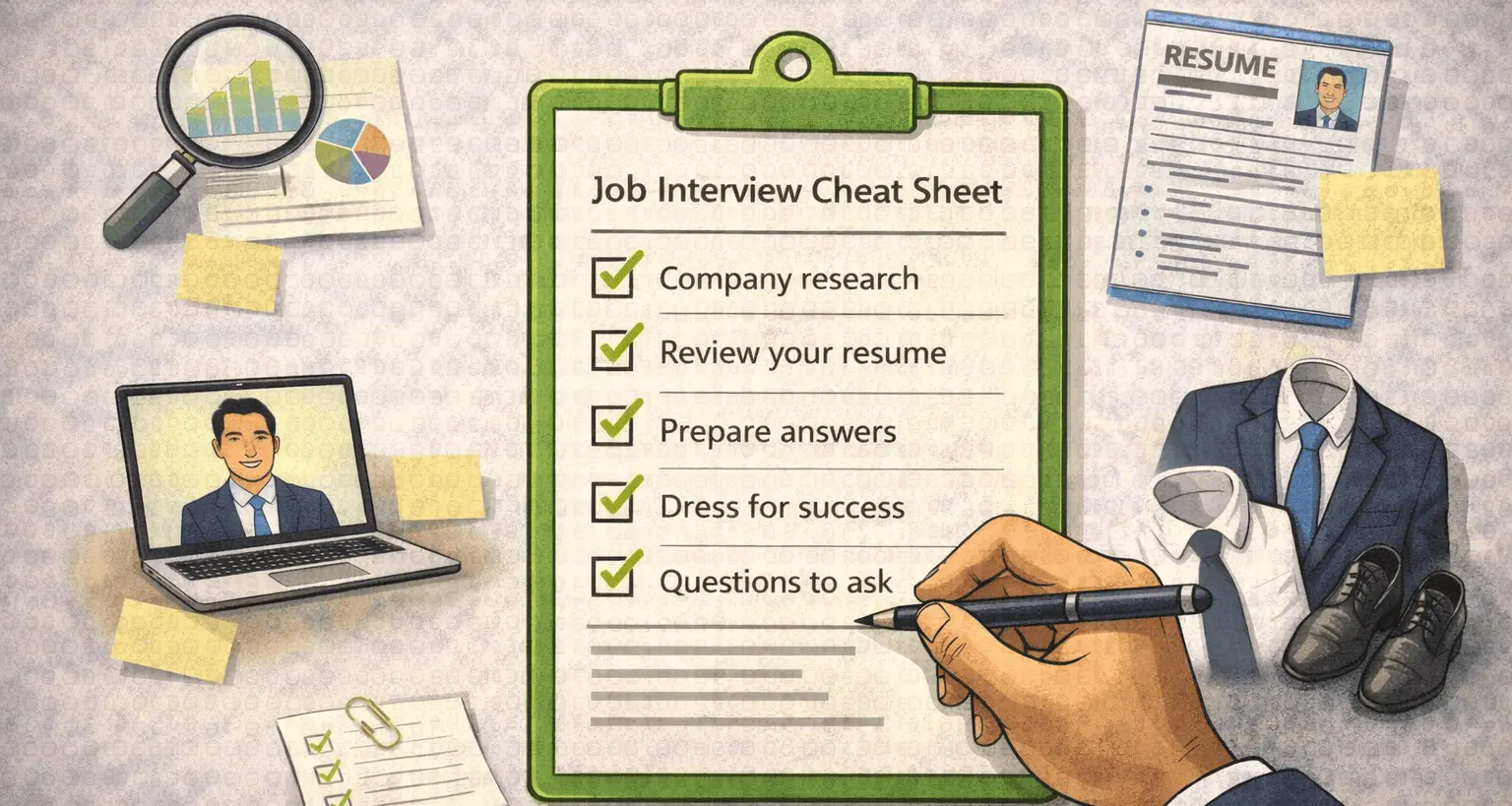
- Review your resume and examples
- Check interview time and platform
- Prepare notes, not scripts
- Get proper rest
Common Interview Preparation Mistakes
Even motivated candidates fall into predictable traps when preparing for interviews.
- Over-rehearsing scripted answers
- Ignoring the job description
- Practicing silently
- Skipping company research
- Preparing answers but not questions
Awareness alone helps you avoid most of these issues.
Start Preparing Today
Strong interview preparation doesn’t make interviews easy, but it makes them manageable. When you understand the role, prepare clear stories, and practice speaking out loud, you remove most of the stress that causes candidates to underperform.
Interviews are conversations, not exams. Preparation helps you show up ready to participate in that conversation with confidence and clarity. For a strategic approach to your job search, read about targeted job applications.