
Interview etiquette refers to the professional standards and behavioral expectations candidates are judged on during interviews. While skills and experience matter, etiquette often determines how those qualifications are perceived.
This guide explains modern interview etiquette, from preparation and communication to follow-up conduct, helping candidates avoid subtle mistakes that influence hiring decisions.
What Is Interview Etiquette?
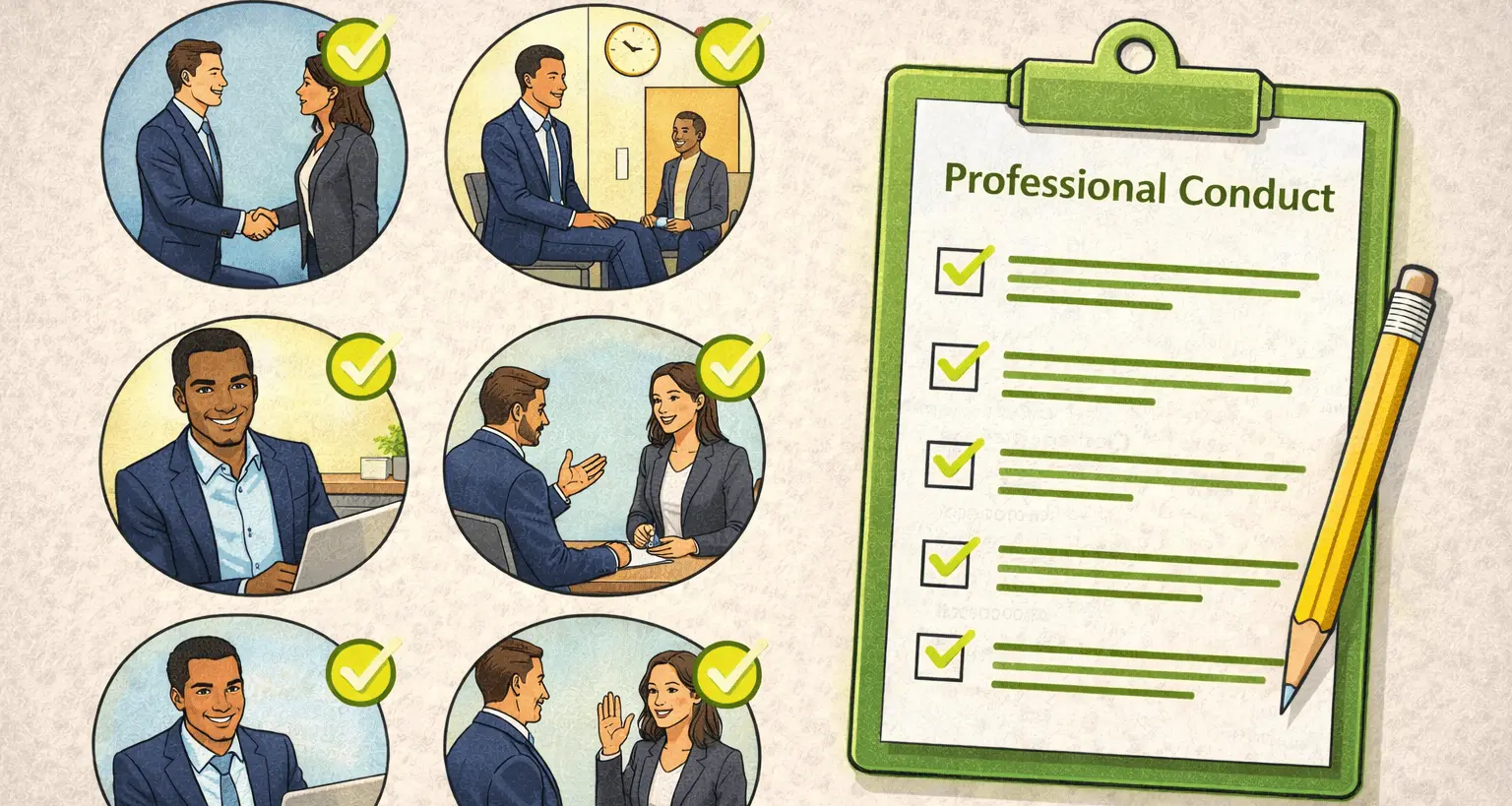
Interview etiquette is the collection of behaviors that signal professionalism, respect, and situational awareness. These signals shape first impressions and remain influential throughout the hiring process.
Strong etiquette does not require rigid formality. It requires consistency, clarity, and intent.
Why Interview Etiquette Matters
Interviewers assess more than answers. They observe listening skills, adaptability, and how candidates handle pressure. Poor interview etiquette can overshadow technical competence.
Hiring teams often interpret etiquette as a predictor of workplace behavior.
Pre-Interview Etiquette
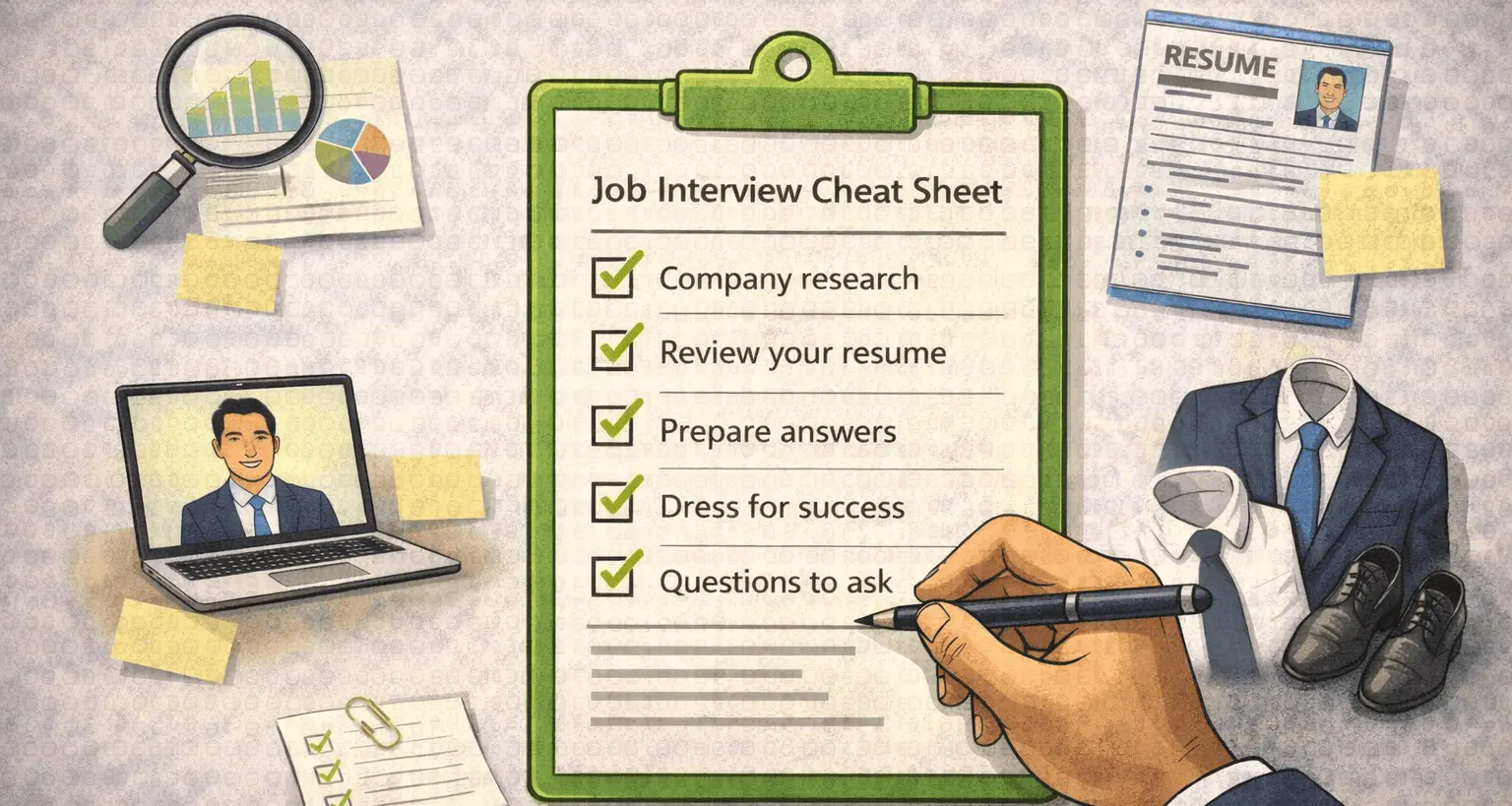
Interview etiquette begins before the meeting starts. Preparation signals reliability and respect for time.
- Confirm interview details in advance
- Research the company and role
- Prepare concise examples
- Test equipment for virtual interviews
Arrival and First Impressions
Punctuality is a core component of interview etiquette. Arriving early demonstrates planning. Arriving late creates unnecessary friction.
First impressions form quickly and are difficult to reverse.
Communication Etiquette During Interviews
Clear communication balances confidence and humility. Avoid interrupting. Pause before answering. Speak with structure rather than speed.
For virtual formats, review online interview tips to align delivery with expectations.
Listening as Part of Interview Etiquette
Listening demonstrates respect and comprehension. Strong candidates paraphrase questions and confirm understanding before responding.
Interview etiquette values dialogue, not monologue.
Body Language and Nonverbal Signals
Nonverbal cues reinforce spoken communication. Maintain appropriate eye contact, posture, and controlled gestures.
In virtual interviews, camera framing and lighting replace traditional physical cues.
Professional Tone and Language
Professional language avoids extremes. Over-casual phrasing can undermine credibility, while rigid formality can block rapport.
Adjust tone based on the interview setting and interviewer style.
Handling Difficult Questions
Interview etiquette is tested under pressure. Difficult questions require composure. Take a moment before responding.
Honest, measured answers are preferable to rushed responses.
Panel Interview Etiquette
Panel interviews require balanced attention. Address all interviewers, even when one person asks the question.
For group settings, review panel interview tips to avoid common missteps.
Closing the Interview Professionally
Closing moments reinforce impressions. Thank interviewers clearly. Express interest without pressure.
Avoid negotiating or oversharing unless prompted.
Post-Interview Etiquette
Follow-up communication is an extension of interview etiquette. A concise thank-you message reinforces professionalism.
Reference discussion points rather than generic appreciation.
Common Interview Etiquette Mistakes
Many candidates undermine themselves unintentionally. These mistakes are avoidable.
- Interrupting interviewers
- Over-explaining answers
- Checking devices during interviews
- Criticizing previous employers
- Ignoring time cues
Interview Etiquette Across Formats
In-person, phone, and virtual interviews share core etiquette principles. The delivery changes, but respect and clarity remain constant.
Format awareness strengthens adaptability.
Final Thoughts
Interview etiquette shapes how skills are interpreted. Professional conduct, thoughtful communication, and situational awareness consistently influence hiring outcomes.
Prepare deliberately. Communicate intentionally. Let professionalism support competence.