
Panel interview tips matter because panel interviews are a completely different game. Instead of building rapport with one person, you’re expected to engage multiple interviewers, answer layered questions, and stay composed while attention shifts around the room. It’s not harder than a one-on-one interview, but it does demand a different strategy.
Many strong candidates stumble in panel interviews not because they lack skills, but because they prepare as if it were a standard conversation. This guide breaks down practical panel interview tips that help you stay confident, organized, and memorable when facing multiple interviewers at once.
What Is a Panel Interview?
A panel interview involves two or more interviewers evaluating you at the same time. Panels often include a hiring manager, a future teammate, and a stakeholder from another department. Each person assesses different competencies, from technical ability to communication and culture fit.
Strong panel interview tips focus on managing attention, clarity, and energy so every interviewer feels included in the conversation.
Why Panel Interviews Feel Intimidating
Panel interviews create cognitive overload. You’re listening to multiple voices, tracking reactions, and answering questions under pressure. Silence feels heavier. Interruptions feel sharper. Interviewers know this and watch how candidates respond.
The best panel interview tips help you slow the interaction down, regain control, and communicate deliberately.
What Panel Interviewers Are Looking For
Each panelist has a different lens. One may focus on skills, another on collaboration, another on leadership or decision-making. Your job is not to please everyone individually, but to communicate clearly and inclusively.
- Clear and structured answers
- Ability to engage multiple people
- Composure under pressure
- Listening and adaptability
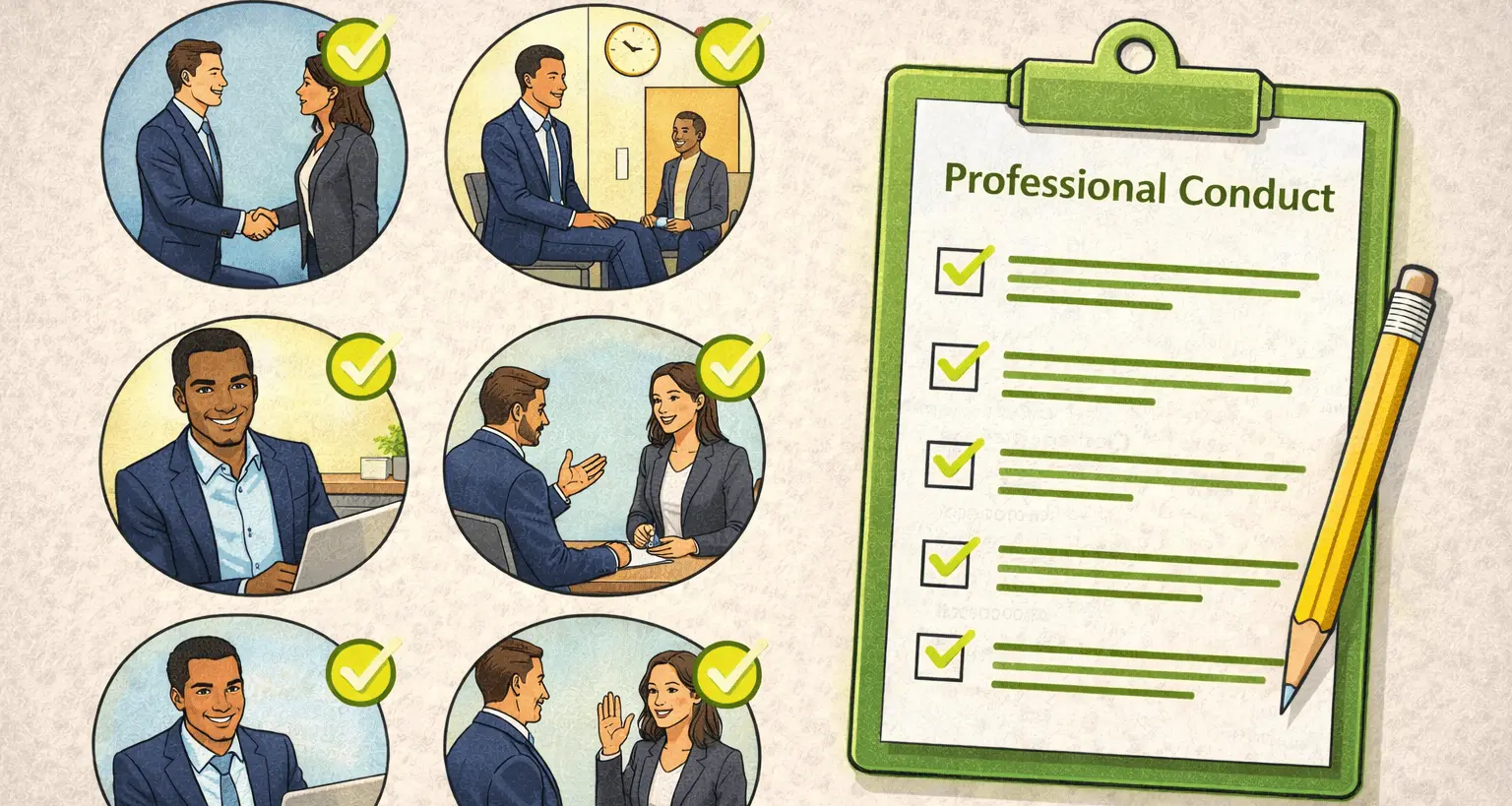
- Professional presence
Applying the right panel interview tips helps you project confidence instead of tension.
How to Prepare for a Panel Interview
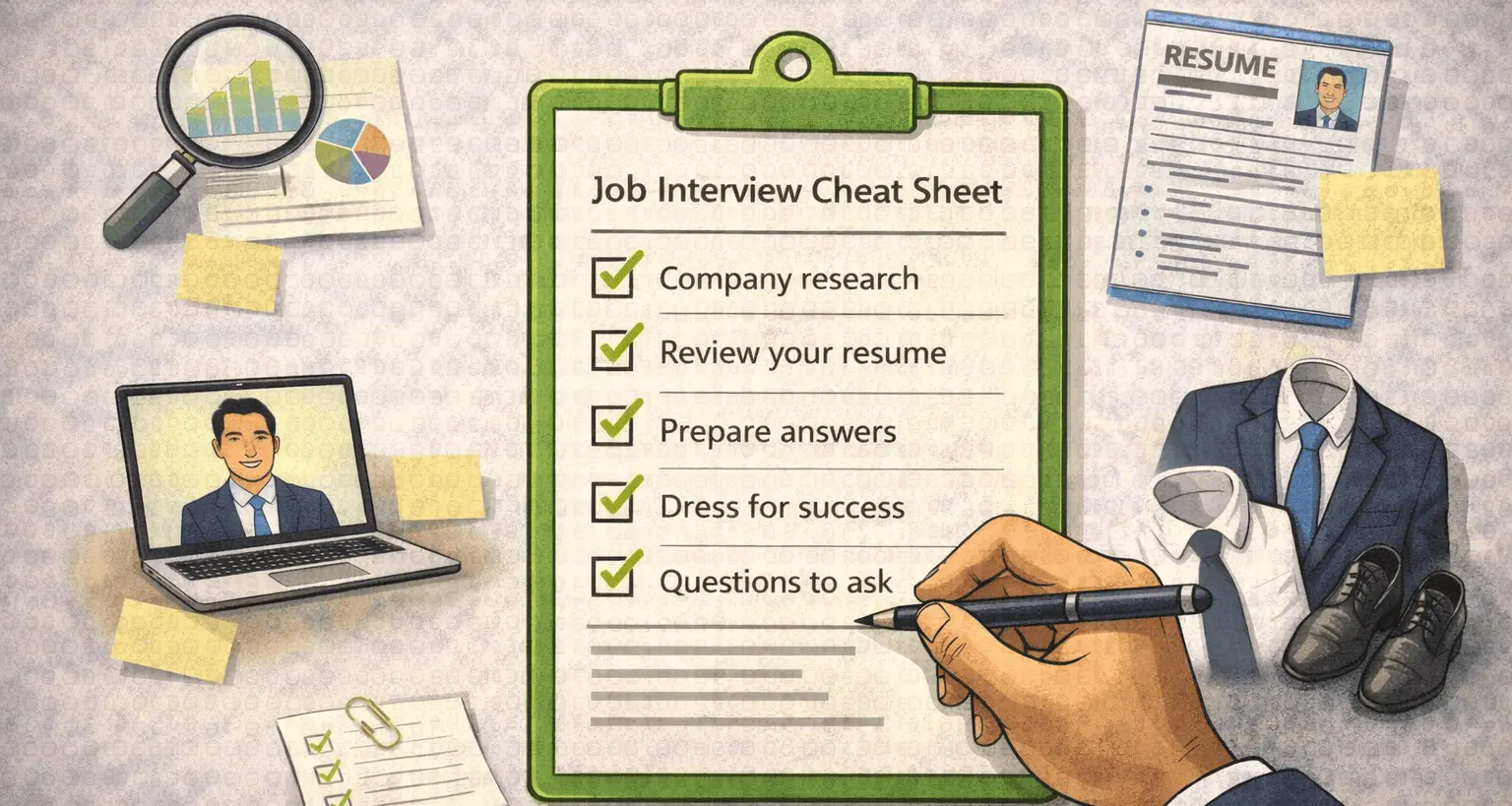
Preparation starts with mindset. Expect multiple perspectives and varied questions. Review the job description and imagine what each panelist might care about. This prevents being caught off guard by sudden topic shifts.
Practicing behavioral interview questions is especially useful, since panel interviews often rely on them.
Answering Questions to the Entire Panel
One of the most important panel interview tips is learning how to distribute attention. Start your answer by making eye contact with the person who asked the question, then gradually include other panelists as you speak.
This approach keeps everyone engaged and prevents answers from feeling one-sided.
Structuring Answers Under Pressure
Panel interviews magnify rambling. Structure gives your answers shape and makes them easier to follow. Signal structure verbally: “There are three parts to this” or “I’ll break this down step by step.”
This is one of the most effective panel interview tips for staying calm and credible.
Handling Rapid-Fire Questions
Some panels ask questions back-to-back with little pause. Don’t rush. Take a brief moment to think before answering. Clarify if needed. This signals confidence, not hesitation.
If multiple questions are asked at once, acknowledge them and answer one at a time.
Managing Conflicting Signals
Sometimes panelists react differently to the same answer. One nods. Another frowns. Ignore the urge to overcorrect mid-answer. Finish your thought clearly before adjusting.
Strong panel interview tips include emotional discipline. Not every reaction requires an immediate response.
Asking Questions in a Panel Interview
Questions matter even more in a panel setting. They show confidence and curiosity. Address the panel collectively, then invite individual perspectives.
Reviewing questions to ask beforehand helps you prepare thoughtful prompts.
Common Panel Interview Questions
Panel interviews often focus on collaboration, decision-making, and communication. Expect questions like:
- “How do you handle differing opinions?”
- “Describe a time you worked cross-functionally.”
- “How do you manage conflict?”
- “What would your teammates say about you?”
- “How do you prioritize under pressure?”
Practicing these aloud is one of the fastest ways to apply panel interview tips.
After the Panel Interview
Thank-you notes matter after panel interviews. Acknowledge the group, and reference something discussed during the conversation. This reinforces professionalism and attention to detail.
Write down reflections immediately. Panel interviews blend together quickly if you don’t capture insights.
Common Panel Interview Mistakes
Even experienced candidates make avoidable errors. Effective panel interview tips help you avoid these pitfalls.
- Only addressing the loudest interviewer
- Rushing answers
- Ignoring nonverbal cues
- Failing to ask questions
- Losing structure under pressure
Practice Panel Interviews Intentionally
Panel interviews improve with practice. Simulate group settings. Practice distributing eye contact. Review recordings to improve pacing and clarity.
Pairing preparation with mock interview practice helps refine delivery before real panels.
You're Ready
Panel interviews test more than knowledge. They test presence, composure, and communication. When you apply the right panel interview tips, multiple interviewers stop feeling like pressure and start feeling like an audience.
Stay structured. Stay calm. Engage everyone. That’s how panel interviews turn into offers.