
Phone interview tips matter more than most candidates realize. The phone interview is often the first real filter in a hiring process. It decides whether you move forward or quietly disappear from the pipeline. And unlike video interviews (for which you can check our zoom interview tips), you don't get body language, eye contact, or slides to save you. Your voice, clarity, and structure do all the work.
This guide breaks down practical, real-world phone interview tips that help you sound confident, focused, and professional. You’ll learn how to prepare, what recruiters actually listen for, and how to avoid the small mistakes that quietly cost candidates opportunities.
Why Phone Interviews Are Tricky
Phone interviews remove visual context. That means pauses feel longer, rambling feels worse, and uncertainty shows up instantly in your voice. Interviewers use phone screens to test communication, motivation, and basic role fit before investing more time.
Strong phone interview tips focus on clarity and control. If you can explain your experience cleanly over the phone, you’re far more likely to succeed in later interview stages.
What Interviewers Listen For on Phone Calls
During a phone interview, recruiters listen differently than they do in person. They pay attention to how you structure answers, how quickly you understand questions, and whether you can communicate without visual cues.
- Clear and organized answers
- Confident but natural tone
- Ability to summarize experience quickly
- Relevance to the role
- Energy and engagement
These signals matter more than perfect wording. The best phone interview tips help you manage these signals intentionally.
Prepare Your Environment Before the Call
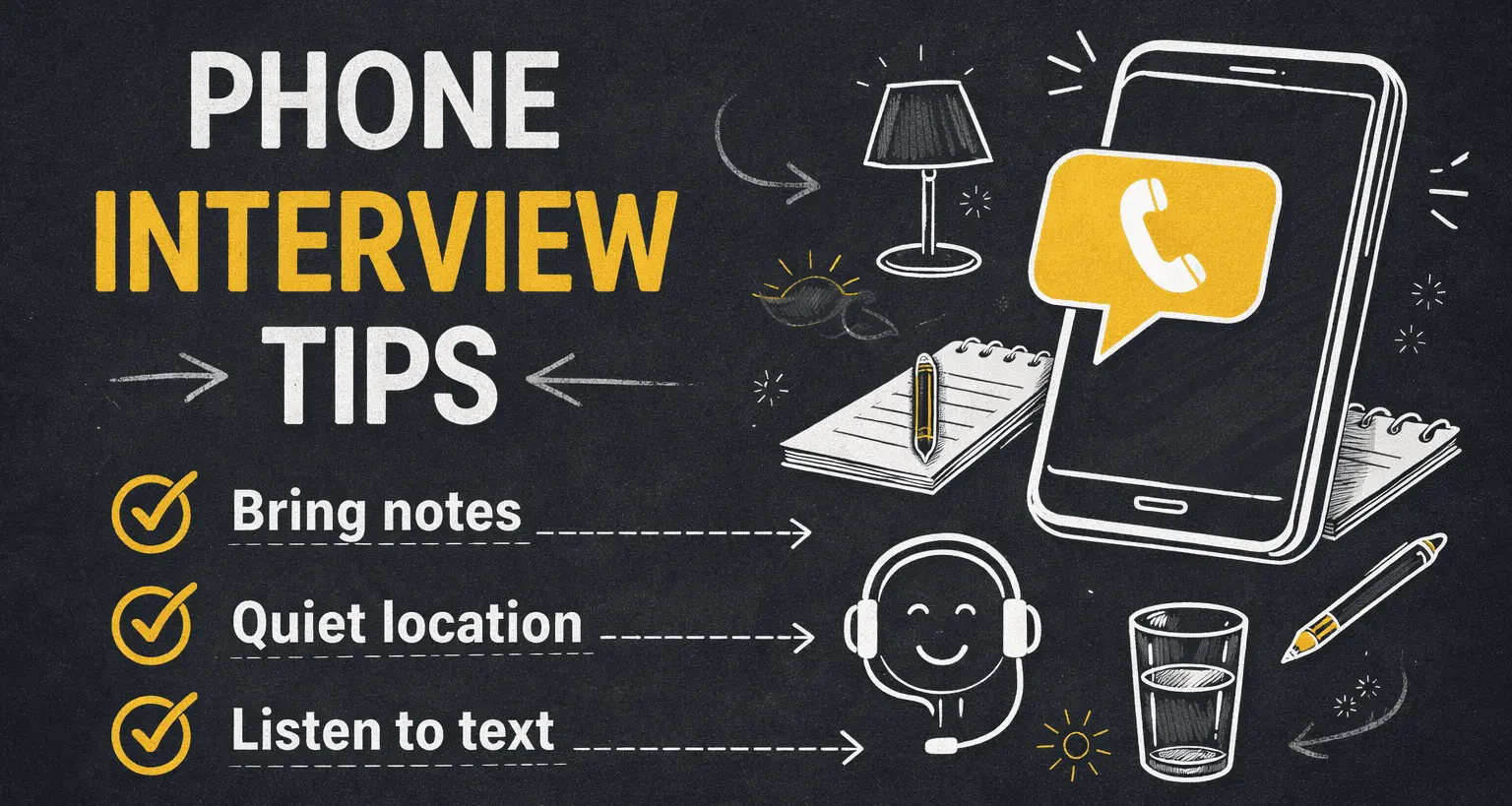
Preparation starts with logistics. Choose a quiet location with stable reception. Silence notifications. Use headphones if possible to improve sound quality. These basics prevent distractions that derail otherwise strong answers.
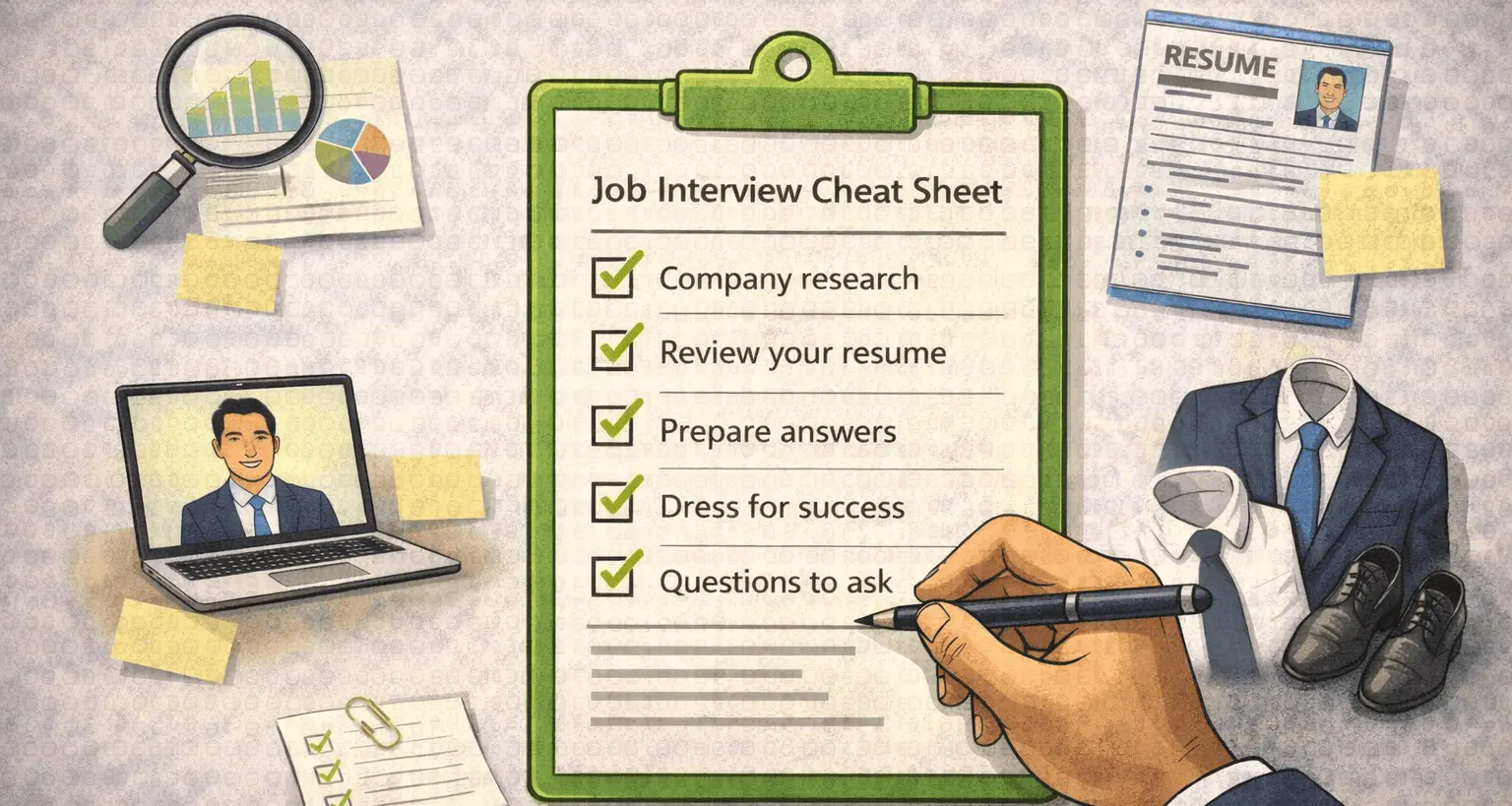
Keep a printed resume, the job description, and a short list of talking points nearby. This is one of the few advantages phone interviews give you.
How to Structure Answers on a Phone Interview
Without visual feedback, structure becomes critical. One of the most effective phone interview tips is to signal structure verbally. Phrases like “There are two main reasons” or “I’ll break that into three parts” help interviewers follow along.
If you struggle with behavioral questions, reviewing behavioral interview questions ahead of time can significantly improve your delivery.
Common Phone Interview Questions
Phone interviews tend to focus on high-level questions. Expect prompts that test motivation, experience, and communication rather than deep technical detail.
- “Tell me about yourself.”
- “Why are you interested in this role?”
- “Walk me through your background.”
- “What are you looking for next?”
- “What are your salary expectations?”
Practicing these aloud is one of the most effective phone interview tips you can apply.
Master Your Tone and Pacing
Tone carries more weight on the phone. Speaking too fast sounds nervous. Speaking too slowly sounds uncertain. Aim for steady pacing with intentional pauses.
Smiling while you speak actually improves vocal warmth. It sounds strange, but recruiters hear the difference. This simple trick is one of the most overlooked phone interview tips.
Handling Silence and Interruptions
Silence feels louder on the phone. If you need a moment to think, say so. A brief pause with a clear signal sounds confident, not unprepared.
If you get interrupted, don’t panic. Acknowledge it, then continue calmly. How you recover matters more than the interruption itself.
Take Notes Without Sounding Distracted
Note-taking is acceptable during phone interviews, but keep it minimal. Jot keywords, not full sentences. Long typing noises or extended silence can break rapport.
Writing down names, follow-up points, or questions to ask later is enough.
Smart Questions to Ask at the End
Thoughtful questions signal preparation and interest. Avoid anything easily answered on the company website. Focus on role expectations, team dynamics, and next steps in the process.
If you’re unsure what to ask, reviewing questions to ask beforehand can help you prepare strong prompts.
After the Phone Interview
The interview isn’t over when the call ends. Send a brief thank-you message within 24 hours. Reference something specific from the conversation. This reinforces professionalism and interest.
Reflect on what went well and what didn’t. Each call improves your future performance if you treat it as feedback.
Common Phone Interview Mistakes
Even experienced candidates make avoidable errors. Strong phone interview tips help you sidestep these traps.
- Answering without structure
- Sounding distracted or multitasking
- Over-explaining simple questions
- Skipping preparation because it “feels informal”
- Failing to ask questions
Practice Makes Phone Interviews Easier
Phone interviews improve quickly with practice. Speaking answers out loud, timing responses, and simulating real calls builds confidence.
Pairing preparation with mock interview practice helps you refine delivery before it counts.
Your Success Starts Now
Phone interviews don’t reward improvisation. They reward clarity, structure, and calm delivery. With the right phone interview tips, you can turn a short call into a strong first impression.
Prepare intentionally, speak clearly, and treat the phone interview as the gateway it is. Get it right, and the rest of the process becomes much easier.