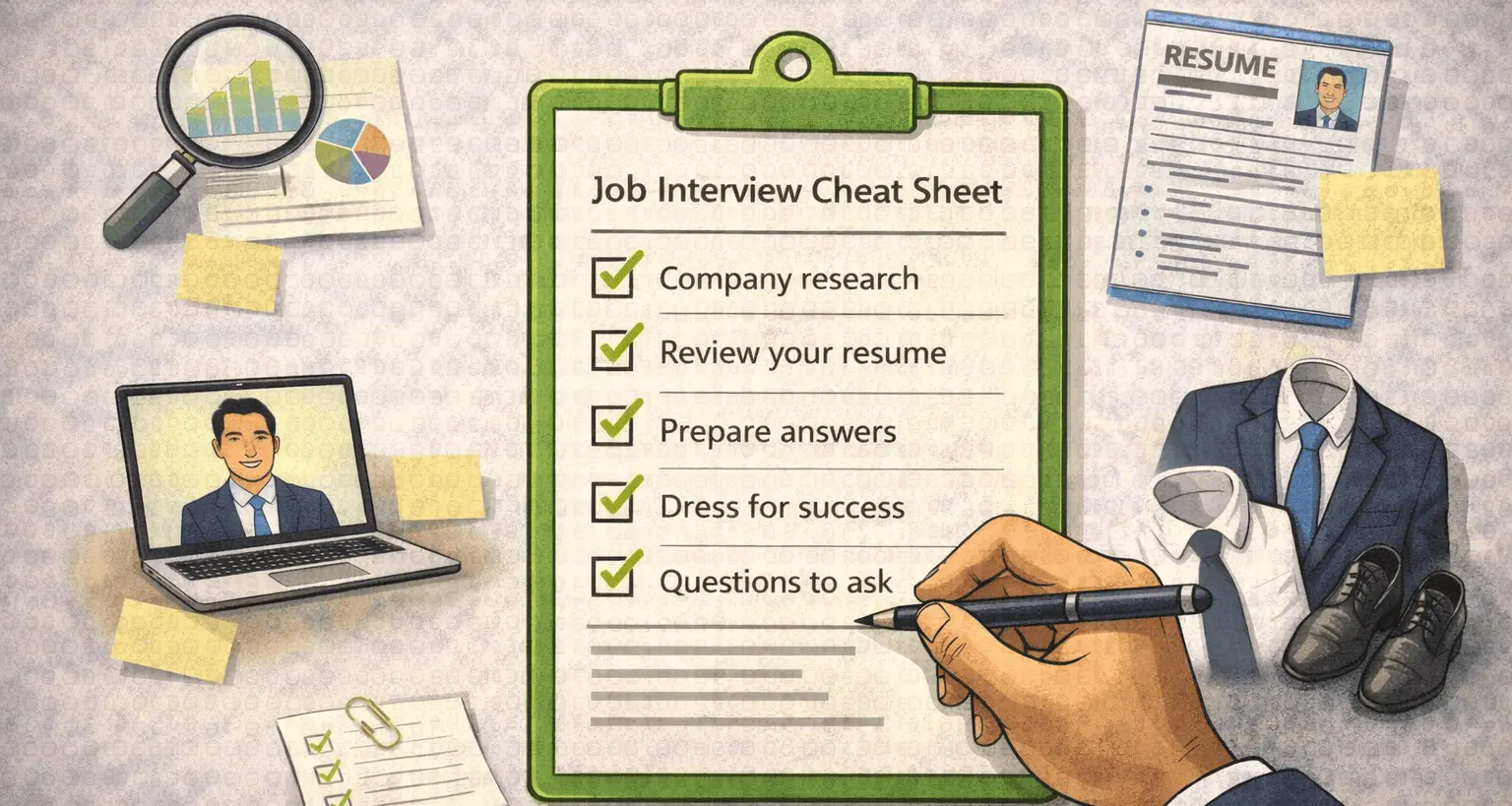


Case interview practice is not about memorizing clever answers or learning fancy business jargon. It is about learning how to think clearly under pressure, structure messy problems, and communicate your reasoning in a way other humans can follow. That’s why consulting firms, strategy teams, and product-heavy companies keep using case interviews. They don’t just want the right answer. They want to see how you get there.
If case interviews feel intimidating, that’s normal. Most candidates fail not because they lack intelligence, but because they never practiced the skill properly. This guide breaks down how to approach case interview practice step by step, what interviewers actually listen for, and how to train your thinking so it sounds structured instead of chaotic.
What Is a Case Interview?
A case interview is a problem-solving exercise where you are given a business scenario and asked to analyze it out loud. You might be asked to estimate market size, diagnose a profit drop, design a growth strategy, or decide whether a company should enter a new market. There is rarely a single correct answer.
Companies use case interviews because they reveal how candidates think, prioritize, handle uncertainty, and communicate. Strong case interview practice helps you turn that pressure into a performance advantage instead of a mental freeze.
Why Case Interview Practice Matters
Unlike behavioral questions, case interviews test skills most people never practice intentionally. You must listen carefully, ask smart clarifying questions, build structure on the fly, and explain your logic while still thinking ahead. Without preparation, even experienced professionals can sound scattered.
With consistent case interview practice, however, your thinking becomes calmer and more organized. You stop rushing to answers and start guiding the interviewer through your reasoning. That shift alone dramatically improves outcomes.
What Interviewers Actually Look For
Many candidates assume case interviews are graded like math exams. They aren’t. Interviewers usually care more about how you approach the problem than whether you land on the “perfect” solution.
- Structure: Can you break a messy problem into logical parts?
- Clarity: Do your explanations make sense to someone else?
- Judgment: Can you prioritize what matters most?
- Adaptability: Do you adjust when new data appears?
- Communication: Can you think out loud without rambling?
Effective case interview practice trains all of these skills together, not in isolation.
Common Types of Case Interviews
Market Sizing Cases
These cases ask you to estimate something with limited data, like the number of coffee shops in a city. The goal is not precision but logical assumptions and clean math.
Profitability Cases
You analyze why profits changed and identify levers such as revenue, costs, pricing, or volume. Strong structure matters more than industry expertise.
Growth Strategy Cases
These explore how a company might expand through new markets, products, or customers. Interviewers want to see strategic thinking balanced with risk awareness.
Operations and Optimization Cases
You diagnose inefficiencies in systems, processes, or supply chains. Clear prioritization is critical here.
Your case interview practice should cover all of these formats so nothing feels unfamiliar.
A Simple Framework for Case Interview Practice
You do not need dozens of frameworks. One flexible structure works for most cases:
- Clarify the objective
- Break the problem into buckets
- Analyze the most important bucket first
- Interpret results, not just numbers
- Summarize clearly and recommend next steps
Practicing this flow repeatedly helps your thinking sound calm and intentional during real interviews.
How to Practice Case Interviews Effectively
Reading cases is not enough. Real case interview practice happens when you speak out loud, make mistakes, and adjust. Treat it like learning a language or a sport.
- Practice with a partner who can challenge your logic
- Time your cases to build pacing awareness
- Record yourself to catch rambling
- Focus on structure before speed
- Reflect after each case on what broke down
If you’re new to interviews in general, reviewing interview timing and expectations can help reduce anxiety before adding case pressure.
Common Mistakes During Case Interviews
Many candidates sabotage themselves in predictable ways, even after doing case interview practice.
- Jumping into math without clarifying the goal
- Using overly complex frameworks
- Talking continuously without pauses
- Ignoring interviewer hints
- Forgetting to summarize insights
Awareness of these traps is half the battle. The rest comes from repetition and feedback.
How Much Case Interview Practice Is Enough?
There is no magic number, but most candidates see major improvement after 15–25 full cases. Quality matters more than quantity. Five thoughtful sessions beat twenty rushed ones.
If you want guided feedback instead of guessing, mock platforms like mock interview tools can accelerate progress by simulating real interview pressure.
Ready to Master Case Interviews
Strong case interview practice is about learning how to think in public. When you slow down, structure your thoughts, and communicate clearly, you become easy to trust. That trust is what interviewers remember long after the case ends.
You don’t need to sound brilliant. You need to sound clear, logical, and human. Practice does the rest.