
Understanding the Concept of a Mock Interview
You’ve probably heard the phrase “practice makes perfect.” When it comes to job interviews, that’s exactly what a mock interview is — a chance to practice before the real thing. A mock interview simulates the questions, environment, and pressure of a real job interview, giving you a realistic way to prepare and improve your performance.
Whether you’re preparing for your first entry-level role or a senior leadership position, mock interviews help you identify strengths, fix weaknesses, and reduce anxiety. They turn uncertainty into preparedness — and preparedness into confidence.
What Is a Mock Interview?
A mock interview is a structured practice session designed to mirror a real job interview. You answer common interview questions, practice introductions, and get feedback on how you present yourself. The goal is to help you improve not just what you say, but how you say it — from tone and pacing to confidence and body language.
These sessions can be conducted by career coaches, mentors, friends, or even online tools. The format can vary — in-person, over video, or through an AI interview simulator — but the purpose is always the same: to prepare you for success in real-world interviews.
Why Mock Interviews Matter
Practicing interview skills is more than just running through a list of questions. A good mock interview helps you identify blind spots you might not notice on your own. It creates a feedback loop that builds awareness and helps you respond better under pressure.
- Build Confidence: Familiarity reduces fear. The more you practice, the more comfortable you become speaking about yourself.
- Improve Communication: You’ll learn to structure your answers clearly and persuasively.
- Receive Constructive Feedback: Real-time insights from mentors or coaches help you make targeted improvements.
- Prepare for Difficult Questions: Mock interviews let you rehearse behavioral and situational questions that often trip candidates up.
- Refine Nonverbal Skills: Posture, tone, and facial expressions are all part of your personal brand — practice makes them natural.
Different Types of Mock Interviews
There isn’t one single way to run a mock interview. Depending on your needs and resources, you can choose a format that works best for you:
- Peer-to-Peer Mock Interview: Practicing with a friend or colleague helps you ease into the process without pressure.
- Coach-Led Mock Interview: Career coaches offer structured sessions with professional feedback and realistic questions.
- Recorded Self-Practice: Record yourself answering questions to analyze your tone, pacing, and expressions.
- Panel Mock Interview: Simulate a multi-interviewer scenario if you’re preparing for executive or academic roles.
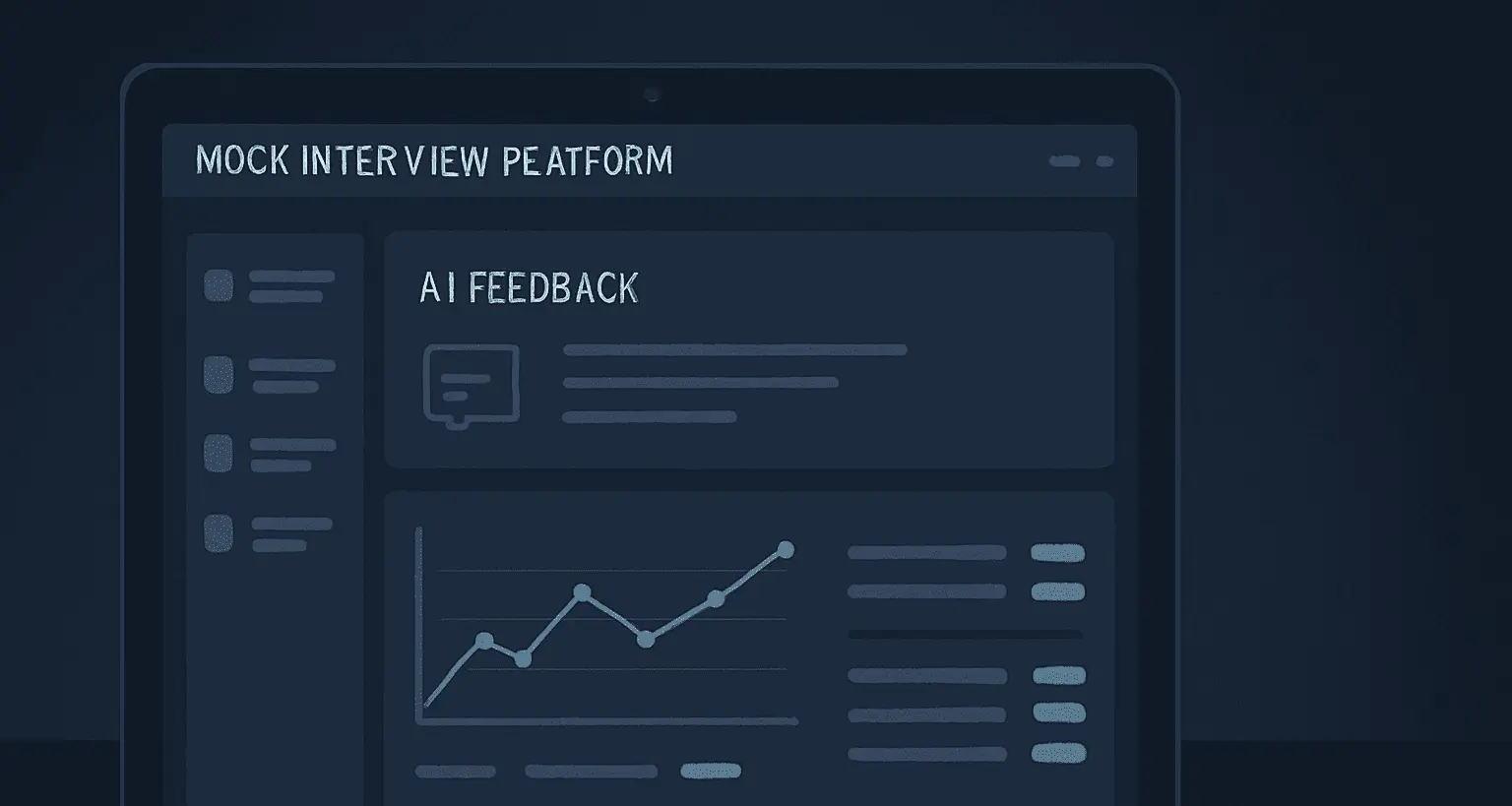
- AI-Powered Mock Interview: Online tools analyze your answers, voice tone, and clarity to give detailed, data-backed insights.
What Makes a Great Mock Interview?
A successful mock interview should feel as close to the real thing as possible. The more authentic the setup, the more valuable the experience. Here’s what separates a useful session from a forgettable one:
- Realistic Questions: Use job descriptions and company details to tailor your responses to real-world expectations.
- Professional Environment: Practice in a quiet space, dressed appropriately, to simulate a genuine setting.
- Constructive Feedback: Ask for actionable advice — not just “you did great.” The best feedback pinpoints what to fix.
- Time Boundaries: Keep sessions within 30–60 minutes, matching typical interview structures.
- Follow-Up Practice: Revisit your weak areas in future sessions and measure your improvement.
Common Mock Interview Questions
Knowing what to expect helps you prepare effectively. A mock interview usually includes a mix of traditional, behavioral, and situational questions. Examples include:
- "Tell me about yourself."
- "Why do you want this job?"
- "Describe a time you faced a major challenge at work."
- "What's your greatest strength and weakness?"
- "How do you handle feedback or conflict?"
- "Where do you see yourself in five years?"
- "Tell me about a time you made a mistake and what you learned."
Want to practice more? Explore our comprehensive list of practice questions with examples and tips across behavioral, technical, and situational categories.
How to Prepare for a Mock Interview
Preparation determines how much value you get from a mock interview. Here’s a step-by-step approach to make your session count:
- Choose a role or company to focus on so your answers feel authentic.
- Research the company’s culture, values, and job description.
- Write down 10–15 common and role-specific questions.
- Decide whether you’ll do a live, recorded, or AI-based mock interview.
- Dress as if you were attending a real interview to build focus and confidence.
- Record your session or take notes during feedback.
- Reflect afterward: what went well, what didn’t, and how to improve next time.
Typical Mistakes Candidates Make
Even in a practice setting, some habits can limit your growth. Being aware of them helps you avoid repeating the same mistakes during real interviews:
- Over-Rehearsing: Memorizing answers word-for-word can make you sound robotic.
- Skipping Nonverbal Practice: Body language and tone often reveal more than words.
- Ignoring Feedback: The point of mock interviews is to learn — use feedback constructively.
- Lack of Preparation: Treat every mock interview like a real one to get maximum value.
- Not Reviewing Recordings: Watching yourself helps you notice habits you might miss live.
The Role of AI in Modern Mock Interviews
In recent years, mock interviews have evolved. You no longer need to schedule sessions with coaches or peers to get feedback. AI-based tools now simulate realistic interviews, asking job-specific questions and analyzing your tone, word choice, and pacing. This allows candidates to practice anytime and track improvement over time.
While technology doesn’t replace human interaction entirely, it offers accessibility and consistency that make it easier to prepare effectively. Many job seekers combine AI feedback with traditional mock interviews to get the best of both worlds.
Start Your Practice
So, what is a mock interview? It’s your opportunity to rehearse, reflect, and refine before facing a real hiring panel. By treating it like the real thing, you train your mind and body to perform confidently when it matters most.
Whether you practice with a coach, a peer, or a digital platform, the key is consistency. Every mock session moves you one step closer to mastering interviews, presenting your best self, and landing the job you want.
For those who prefer structured guidance, AI-powered tools like getmockinterview offer personalized practice sessions that adapt to your pace and style — helping you turn preparation into progress.