

Introduction
Knowing how to conduct a mock interview is one of the most effective ways to help a job seeker build confidence and improve their performance. A mock interview is a realistic practice session designed to simulate a real job interview environment. Whether you're a career coach, HR professional, mentor, or simply helping a friend, learning the right techniques ensures your session feels authentic and productive. This guide explains each step—from setting clear goals to providing useful feedback—so you can run a professional and impactful mock interview. To help with question selection, refer to our guide on essential mock interview questions and behavioral interview questions.
1. Define the Interview Goal
Every successful mock interview starts with a clear purpose. Ask the candidate what type of interview they’re preparing for: behavioral, technical, situational, or industry-specific. For example, a software developer may need help with technical coding questions, while a marketing professional might focus on storytelling and results. Defining the goal helps tailor your questions and structure, making the session more relevant and effective.
When you conduct a mock interview, clarity of purpose prevents the session from turning into a random Q&A. You can even ask the participant to share the actual job description or past interview challenges to make the practice more realistic.
2. Prepare a Realistic Interview Setup
The closer the mock interview feels to a real one, the more valuable it becomes. Create a professional setting that mirrors a genuine interview environment. Choose a quiet, distraction-free space with good lighting and stable internet if you’re conducting it virtually.
- Set expectations: Explain the structure, duration, and evaluation process.
- Match the format: In-person, virtual, or phone interview simulations all require slightly different preparation.
- Dress appropriately: Encourage the candidate to wear what they’d choose for a real interview—it helps build confidence.
- Use a timer: Keeping questions within realistic time limits helps build pacing awareness.
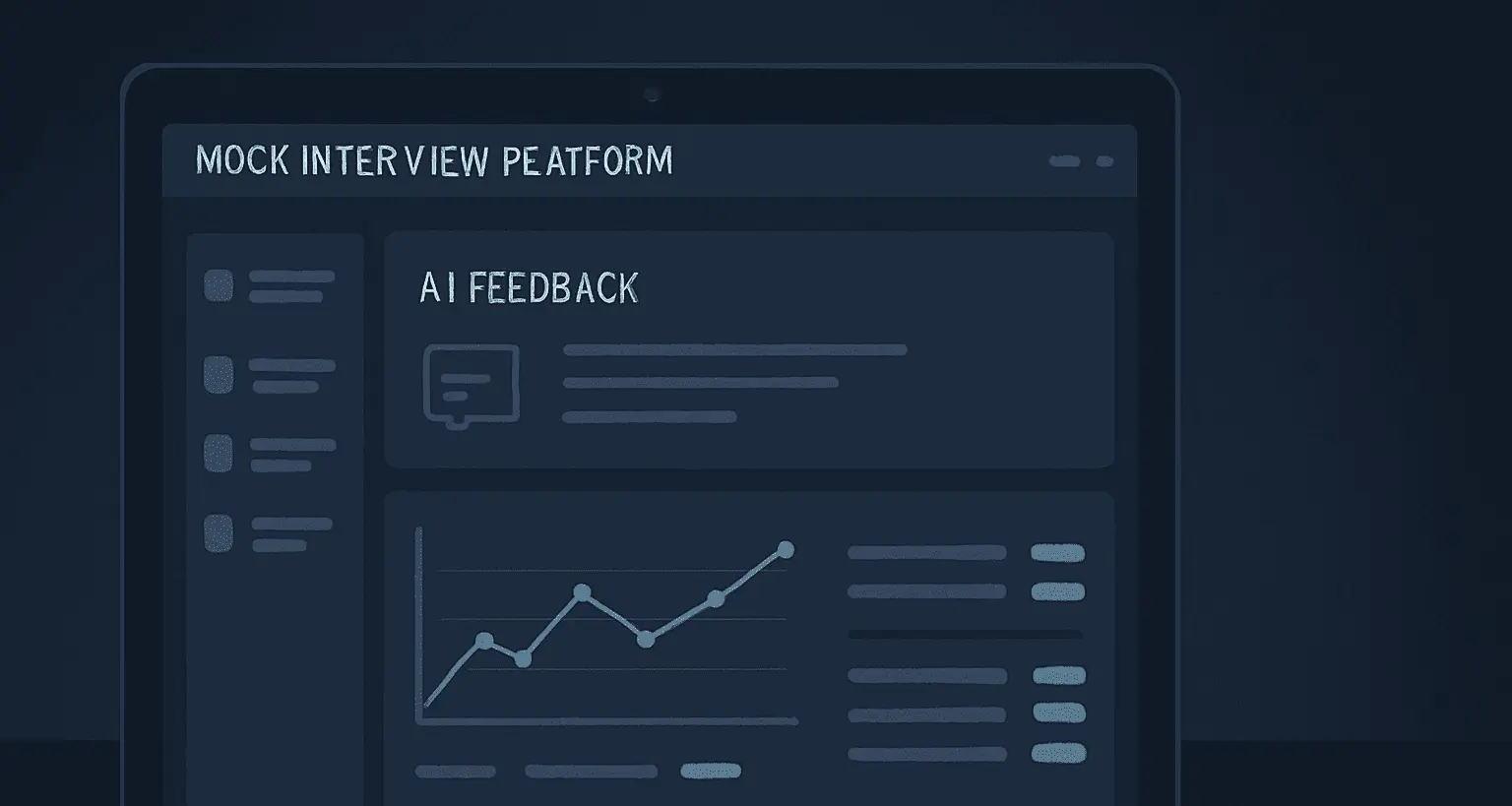
Some mentors also use AI-assisted tools like getmockinterview.com to generate relevant questions and evaluate performance objectively.
3. Choose the Right Questions
One of the key parts of learning how to conduct a mock interview is knowing which questions to ask. Use a mix of behavioral, situational, and role-specific questions that reflect real hiring scenarios.
- “Tell me about a time you faced a major challenge at work.”
- “What motivates you to perform at your best?”
- “How do you handle tight deadlines or pressure?”
- “Can you explain a complex concept to a non-expert?”
- “Why are you interested in this position or company?”
If possible, model your questions on the actual job description or common industry interview formats. Consistency makes your mock interview feedback more actionable.
4. Simulate Real Interview Conditions
To make your mock interview effective, treat it like the real thing. Start on time, greet the candidate formally, and maintain a professional tone. Avoid offering help or hints during responses—just observe and take notes. Pay attention to the candidate’s tone, body language, and ability to communicate clearly.
- Use consistent body language and maintain eye contact.
- Ask follow-up questions naturally, just as a real interviewer would.
- Time the answers—most should last 1–2 minutes.
- Take objective notes on both strengths and weaknesses.
If conducting online, record the session (with permission) so the candidate can review and self-assess later. This also helps you pinpoint behavioral cues or filler words that might go unnoticed during live conversation.
5. Provide Balanced, Actionable Feedback
Feedback is the heart of every mock interview. After completing the session, take 5–10 minutes to discuss what went well and where the candidate can improve. Avoid vague comments like “You did great” or “You need more confidence.” Instead, be specific—point out moments when they answered clearly, used strong examples, or lost focus.
- Start with positive reinforcement to build confidence.
- Address improvement areas one at a time with examples.
- Offer tips for voice tone, pacing, and storytelling.
- Recommend practicing answers to key behavioral questions again.
AI feedback tools like getmockinterview.com can help analyze word choice, speech clarity, and pacing, giving the candidate a detailed performance report to complement your insights.
6. Create a Follow-Up Plan
One mock interview isn’t always enough. A strong follow-up plan reinforces learning and builds momentum. Encourage the candidate to review their notes, rewatch the recording, and practice difficult questions again. Schedule another session in a week or two to measure progress.
When you conduct a mock interview regularly, the candidate gradually becomes more confident, polished, and ready for real-world interviews.
Bonus: How to Conduct a Mock Interview with AI
If you’re short on time or want to simulate different interviewer styles, AI can make the process more efficient. Platforms such as getmockinterview.com allow you to practice realistic interviews with AI-powered question sets, real-time scoring, and feedback on tone and confidence. These tools let candidates practice anytime, track improvement, and share results with mentors for further guidance.
Combining human mentorship with AI-driven feedback creates the perfect balance—authentic interaction backed by data-driven insights.
Next Steps
Learning how to conduct a mock interview effectively is one of the best ways to prepare candidates for real job opportunities. By setting clear goals, simulating real conditions, asking thoughtful questions, and giving constructive feedback, you create an environment where candidates can grow and build confidence. Mock interviews aren’t just about practice—they’re about progress.
Whether you’re mentoring a friend, coaching clients, or using AI platforms like getmockinterview.com, the key is consistency and reflection. Each mock interview is a step closer to success, helping candidates transform anxiety into readiness and uncertainty into confidence.