
Why You Should Pay Attention to Job Interview Red Flags
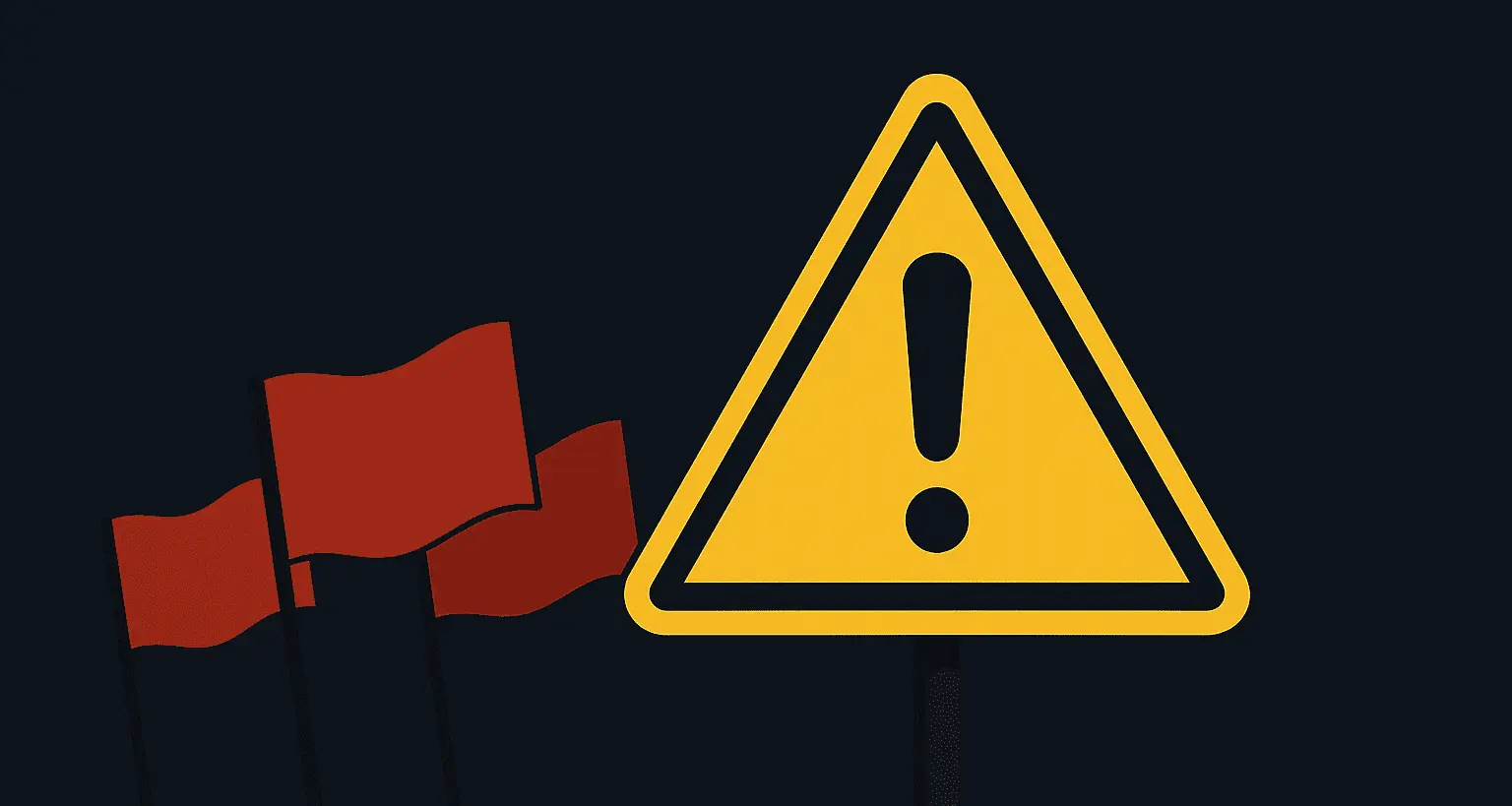
Job interviews are not one-way evaluations—they're mutual conversations. While companies assess whether you're the right fit, you should also be watching closely for job interview red flags that hint at potential problems within the organization. These signs can reveal deeper issues like poor leadership, unclear expectations, or even a toxic culture. Pairing this with solid interview preparation—like practicing mock interview questions—ensures you're both prepared to answer well and equipped to evaluate the company.
Paying attention to these warning signs early can save you from accepting a job that looks promising on paper but turns into a daily source of frustration. A polished website or exciting role description can easily mask deeper issues, so reading between the lines during interviews is essential.
Common Job Interview Red Flags to Look Out For
Here are the most common job interview red flags candidates encounter, along with what they might actually mean about the company behind the scenes:
- Vague Job Descriptions: If the interviewer struggles to explain your responsibilities or says things like “you’ll figure it out as you go,” it could signal poor organization or undefined expectations. Clear roles indicate clear leadership.
- High Employee Turnover: If the role has been “reopened” several times, ask why. Constant turnover often means something’s wrong—either unrealistic demands, lack of growth, or internal conflict.
- Disorganized Interview Process: Scheduling confusion, unanswered emails, or interviewers who arrive unprepared reflect a lack of respect for candidates and weak coordination across teams.
- Negative Talk About Former Employees: If hiring managers speak poorly about previous staff, that’s not honesty—it’s a warning. Professional workplaces respect confidentiality and maintain maturity.
- Unclear Salary or Benefits: When compensation details are avoided or postponed indefinitely, it can mean the company is unsure about its budget or trying to underpay.
- Pressure to Accept the Offer Quickly: A company pushing for an immediate “yes” might be desperate to fill the role or hiding something unpleasant. A healthy employer respects your decision-making time.
- “Wearing Many Hats” Mentality: While flexibility is valuable, this phrase often hides chaotic workloads, undefined priorities, or burnout-inducing expectations.
- Unprofessional Behavior: Interruptions, dismissive tone, or interviewers who clearly haven’t read your résumé signal a lack of seriousness—and probably a poor internal culture.
- Too-Good-To-Be-True Promises: Be cautious when interviewers guarantee rapid promotions or high earnings without specifics. Genuine growth opportunities are backed by examples, not hype.
Red Flags Hidden in the Interview Questions
Sometimes, job interview red flags don’t come from how the interviewer behaves—they come from what they ask. Pay attention to subtle clues in the questions or statements that might reveal deeper issues within the team or leadership.
- “We’re looking for someone who can handle stress.” This could mean long hours, poor work-life balance, or unrealistic expectations disguised as “resilience.”
- “We need someone who’s okay with change—lots of it.” It may suggest constant restructuring, unstable leadership, or shifting priorities without clear direction.
- “Everyone here works hard and plays hard.” This often translates to a culture where overtime is normalized and boundaries are blurred under the guise of passion.
- “We’re like a family here.” It sounds warm, but sometimes it’s code for blurred boundaries, favoritism, or emotional manipulation to justify overwork.
How to Respond When You Spot Red Flags
Spotting a red flag doesn’t always mean walking away immediately—it means asking the right questions. Sometimes, misunderstandings can be clarified, but persistent defensiveness or vague answers are usually bad signs. Here’s how to probe further:
You: “Can you describe how performance is evaluated in this role?”
You: “What are the biggest challenges someone in this position typically faces?”
You: “How does the company handle employee feedback or concerns?”
You: “What’s the team dynamic like during busy or stressful periods?”
The way interviewers answer tells you more than the words themselves. Evasive responses, eye rolls, or scripted answers suggest there’s truth behind your concern. A confident and transparent employer won’t shy away from giving real examples.
Real-World Examples of Job Interview Red Flags
Imagine being told during an interview that the company “recently lost a few team members” but can’t explain why. Or being interrupted multiple times mid-answer. Or having your interview rescheduled three times without apology. These are not small details—they’re signs of how you’ll be treated as an employee.
Many professionals who’ve experienced burnout later realized the warning signs were visible during the interview stage. They just ignored them. Learning to trust your gut and evaluate not just what’s said, but how it’s said, is the best defense against a bad job fit.
How to Protect Yourself From Toxic Workplaces
Recognizing job interview red flags is your first line of defense, but prevention also means doing research. Read reviews on sites like Glassdoor or LinkedIn, and reach out to past employees if possible. Look for consistency between what interviewers say and what the company’s reputation suggests.
Also, pay attention to your own feelings during the process. Did you feel respected and listened to, or rushed and dismissed? Your emotional reaction is often the most accurate indicator of the environment you’re stepping into.
Your Intuition Matters
Identifying job interview red flags is about protecting your time, mental health, and career goals. A great opportunity should excite you, not confuse or pressure you. Remember, walking away from a bad fit is not a missed chance—it’s a smart decision.
The best jobs are built on mutual respect, clear communication, and trust. If something feels off during the interview, it’s often your intuition trying to save you from a long-term problem. Listen to it.
Practice Spotting Red Flags with AI
You can train yourself to recognize red flags during mock sessions using getmockinterview.com. Our AI interviewer replicates real hiring scenarios, including subtle cues and tone shifts that help you practice identifying warning signs before the real thing.
- Simulate realistic interviews and observe interviewer tone
- Get feedback on your awareness and response timing
- Learn to balance confidence with caution in interviews