
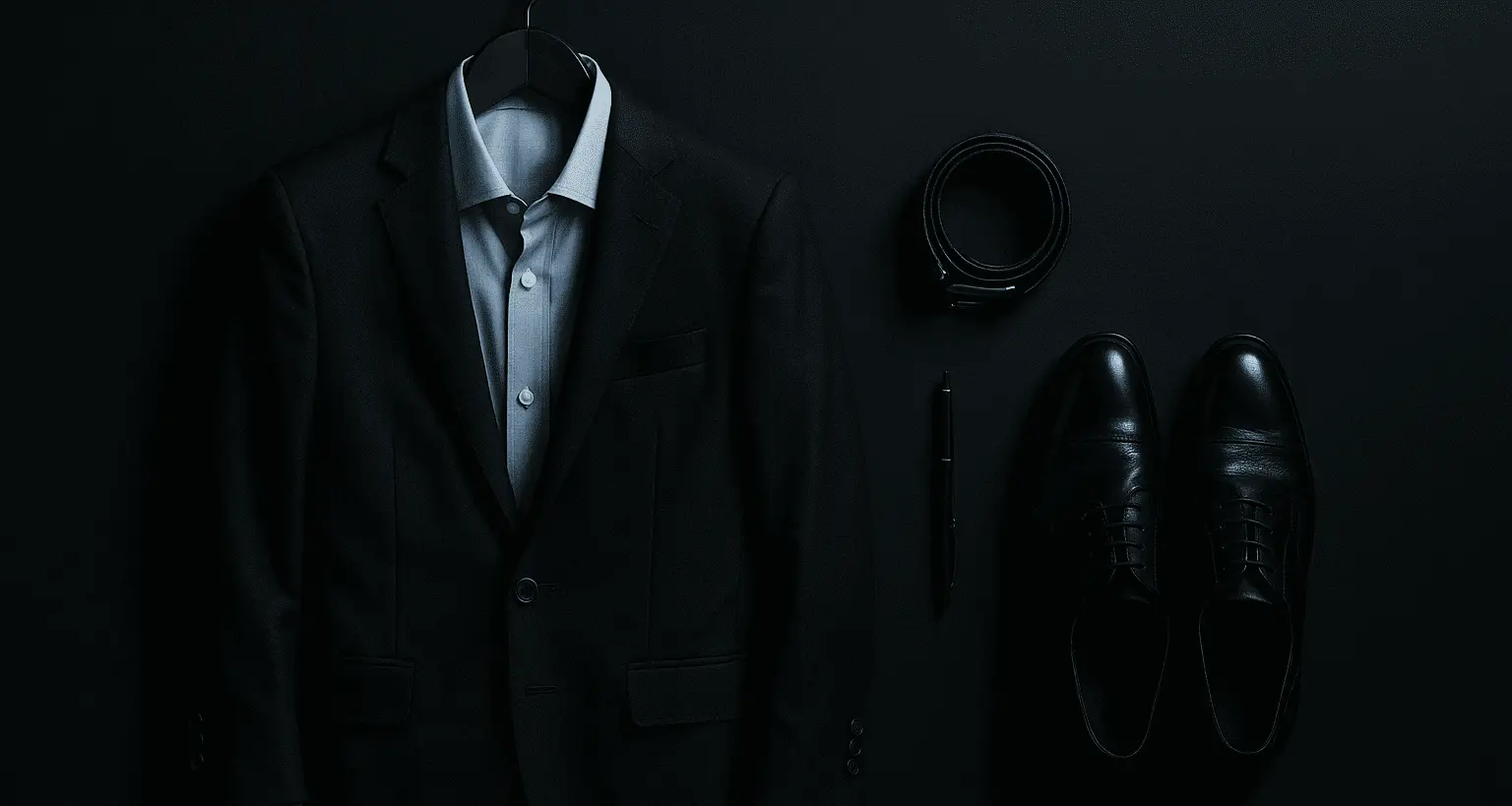
Choosing what to wear to a job interview can feel like standing in front of a packed closet with absolutely nothing suitable. You know first impressions matter—studies show interviewers form judgments within the first seven seconds of meeting you—but striking the perfect balance between professional, authentic, and industry-appropriate isn't always straightforward. Overdress and you might seem out of touch with company culture; underdress and you risk appearing careless or unprepared. The outfit you select communicates volumes about your professionalism, attention to detail, and respect for the opportunity before you even speak a word.
This comprehensive 2025 guide removes the guesswork from deciding what to wear to a job interview. Whether you're interviewing for a corporate finance position, a creative agency role, a tech startup, or a casual retail job, we'll walk you through industry-specific recommendations, seasonal considerations, and practical styling tips that work for every body type and budget. By the end, you'll have a clear strategy for choosing interview attire that boosts your confidence and positions you as the professional candidate they're eager to hire. Let's transform that closet confusion into clarity and get you dressed for success.
Why Understanding What to Wear to a Job Interview Matters
Your interview outfit isn't just fabric—it's a strategic communication tool. Research from Northwestern University found that clothing significantly affects the wearer's psychological state, a phenomenon called "enclothed cognition." When you dress professionally, you actually think differently, approaching challenges with greater focus and confidence. This mental shift can be the difference between stumbling through answers and delivering them with poise.
Beyond personal psychology, your attire sends immediate signals to interviewers about cultural fit and professionalism. A hiring manager at a traditional law firm evaluates candidates differently than one at a laid-back advertising agency. Showing up in a three-piece suit to interview at a startup where everyone wears hoodies might suggest you haven't researched their culture. Conversely, wearing ripped jeans to a banking interview screams lack of seriousness. Mastering what to wear to a job interview means reading the room before you even enter it, aligning your appearance with both the role's expectations and your authentic professional identity.
The stakes extend beyond just getting hired. Your interview wardrobe sets expectations for your on-the-job presence. If you present yourself as polished and thoughtful during the interview, that impression carries forward. Employers remember candidates who demonstrate they understand professional norms, making you memorable for the right reasons. Interview prep guide.
Three Essential Dress Code Categories
Before raiding your wardrobe, you need to identify which dress code category applies to your interview. Most professional settings fall into three main categories: business formal, business casual, and smart casual. Each has distinct expectations and appropriate garments.
Business Formal
Business formal represents traditional professional attire for boardrooms, law offices, and financial institutions. For men: tailored suit in navy, charcoal, or black with dress shirt, tie, and polished leather shoes. For women: pantsuit or skirt suit in conservative colors with blouse, closed-toe heels, and minimal jewelry. Keep accessories understated—learn more about appropriate interview jewelry. The key is impeccable fit and understated elegance. Industries requiring this include law, investment banking, accounting, and senior management.
Business Casual
Business casual balances professionalism with comfort. For men: dress slacks or chinos with button-down shirt or polo, optional blazer, and leather shoes. Women: dress pants, knee-length skirt, or professional dress with blouse and flats or modest heels. You can incorporate patterns and bolder colors while maintaining professionalism. This suits technology companies, creative agencies, nonprofits, and most corporate roles.
Smart Casual
Smart casual is the most relaxed dress code for startups, retail, and creative industries. For men: well-fitted jeans or chinos with polo or casual button-down and clean sneakers. Women: nice jeans, casual dresses, or pants with blouse or sweater and boots or sneakers. Clothes should look intentional and neat. When uncertain, dress slightly more formal than expected.
Research Company Culture First
Research the company's online presence before choosing your outfit. Browse their website for team photos and social media for daily office life glimpses. Check employee reviews on Glassdoor, analyze the job description for culture clues, and don't hesitate to ask your recruiter about expected attire. This research ensures you'll align with company expectations authentically.
Dress Codes by Industry
Finance, Law & Consulting
Conservative business formal is essential. Men: navy or charcoal suit, dress shirt, tie, polished oxfords. Women: pantsuit or skirt suit, closed-toe pumps, minimal jewelry. Avoid trendy or casual elements—think boardroom ready.
Technology & Startups
Business casual to smart casual works best. Men: chinos with button-down or polo, optional blazer. Women: tailored pants or casual dress with blouse. Polished yet approachable is key—solid colors photograph better for video interviews.
Creative Fields
Show personality through smart casual with flair. Express creativity via tasteful accessories, unique textures, or modern silhouettes. Research the company's portfolio to match their aesthetic while maintaining professionalism.
Healthcare & Education
Professional yet approachable attire works best. Choose business casual that feels warm rather than intimidating. Prioritize cleanliness and modest cuts that respect these community-focused environments.
Retail & Hospitality
Mirror the brand's image. Luxury boutiques require upscale pieces; casual venues allow trendy smart casual. Visit the location beforehand to observe the vibe and align your outfit with their brand identity.
Complete Outfit Recommendations
For Formal Interviews
Men: Navy or charcoal suit with white dress shirt, silk tie, polished oxfords, matching belt, and minimal accessories. Women: Pantsuit or skirt suit in neutral colors with silk blouse, closed-toe pumps, minimal jewelry, and natural makeup. Keep grooming sharp with neat hair and trimmed nails.
For Business Casual Settings
Men: Dress slacks or chinos, button-down shirt, optional blazer, leather loafers or clean sneakers. Women: Dress pants, skirt, or professional dress with blouse and blazer. Add personality through accessories while maintaining professional boundaries.
For Smart Casual Environments
Men: Dark jeans or chinos with polo or casual button-down, quality sneakers or loafers. Women: Dark jeans or casual dress with blouse or sweater, clean sneakers or boots. Avoid graphic tees and ensure clothes fit well.
Seasonal Dressing Tips
Summer: Choose lightweight fabrics like cotton and linen blends. Lighter gray or tan suits work better. Stick to closed-toe shoes and arrive early to cool down. Winter: Layer with a professional overcoat and bring an umbrella. Add tights or warmer socks for comfort. Spring & Fall: Layer with blazers and cardigans. Choose moderate-weight fabrics and showcase seasonal colors while remaining polished.
Fit, Quality & Grooming Essentials
Prioritize fit above all else. Shoulders should align naturally, sleeves and hems at proper lengths, with no pulling or bunching. Have items tailored if between sizes. Quality shows in fabric weight and stitching—invest in versatile pieces in natural fibers. Ensure fresh grooming: styled hair, trimmed nails, minimal fragrance, pressed clothes, and polished shoes.
Video Interview Attire Tips
Dress fully professional for confidence and unexpected moments. Choose solid colors over patterns, avoid bright white, and test your outfit on camera beforehand. Ensure good lighting, clean background, and minimal jewelry. Frame yourself chest-up with space above your head. Virtual tips.
Building a Budget-Friendly Wardrobe
Shop end-of-season sales, consignment stores, and rental services. Invest in one versatile suit with rotating accessories. Learn basic alterations and borrow when needed. Prioritize quality over quantity—one well-fitted outfit beats multiple poor choices.
Common Attire Mistakes to Avoid
Dressing too casually suggests you don't value the opportunity. Distracting accessories pull focus from qualifications. Poor fit looks unprofessional regardless of cost. Inappropriate footwear undermines your outfit. Too much skin reads as inappropriate in conservative settings. Neglecting grooming kills interviews. Visible logos or graphics have no place professionally. Ignoring company culture suggests poor research. Learn more about what not to bring to interviews.
Diversity & Personal Expression
Professional attire should make everyone confident regardless of body type or gender identity. Prioritize inclusive sizing and tailoring. Choose clothing aligning with your authentic workplace presentation. Religious or cultural garments coexist with professional attire—choose quality fabrics and tailoring within your guidelines.
Final Preparation Checklist
The night before, try on your complete outfit, check for stains or wrinkles, iron everything, polish shoes, and lay out all items. Pack your bag with resume copies and materials. Plan your morning timeline with traffic buffers. Full checklist.
Confidence Through Preparation
Mastering interview attire removes stress so you can focus on showcasing your skills. Research expectations, prioritize fit and quality, and let your qualifications shine through polished presentation. Start building your wardrobe now to stay prepared when opportunities arise.
Practice with AI interviews. Explore more on interview outfits, and read about behavioral, common questions, and thank you emails.