
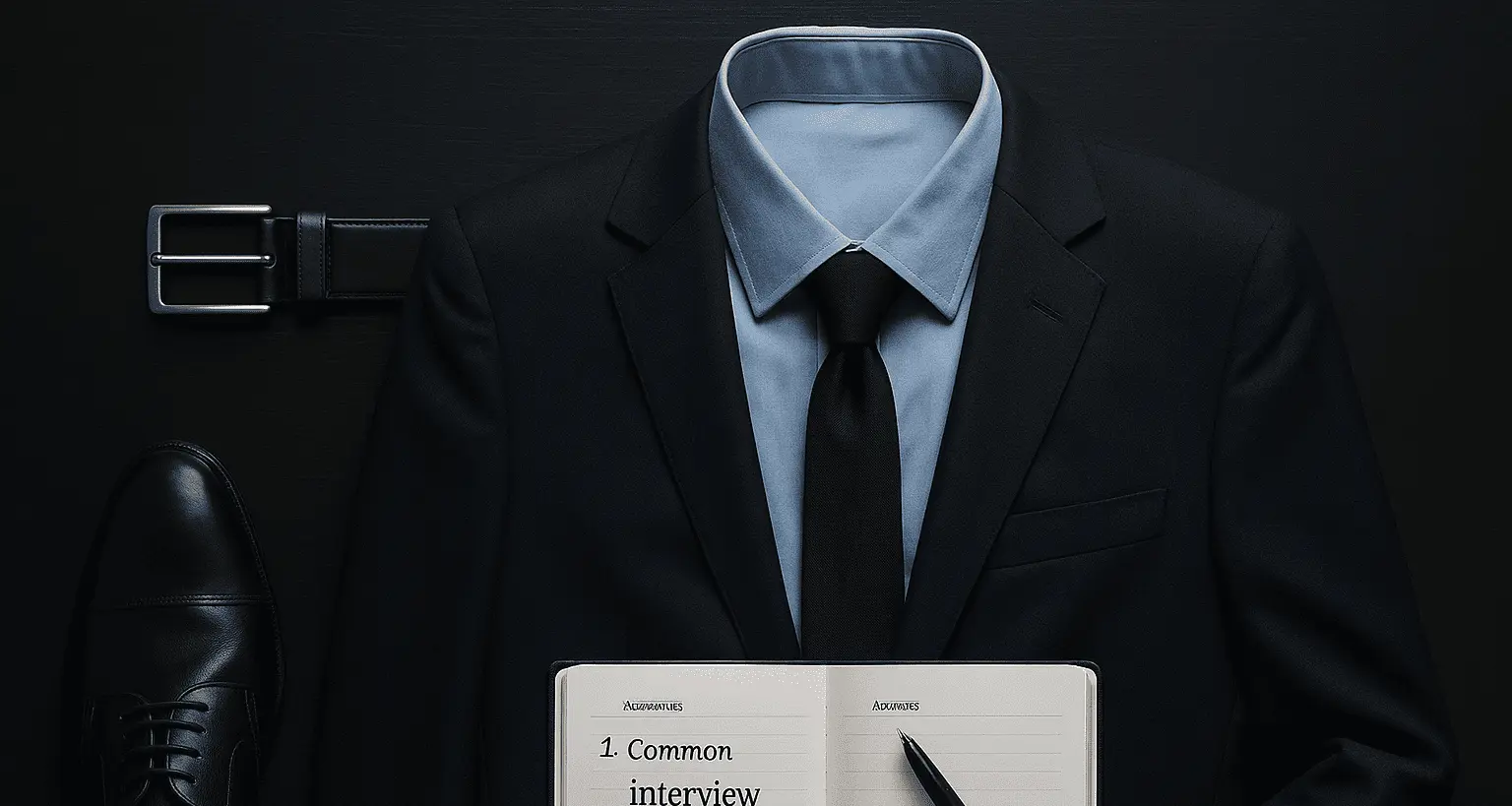
Your job interview outfits speak before you do, shaping how hiring managers perceive professionalism and cultural fit. Research shows interviewers form impressions in less than ten seconds, and appearance carries significant weight. Getting your outfit right isn't about rigid rules—it's about understanding what works for your situation while meeting professional expectations.
Whether it's a corporate boardroom, creative studio, or startup, choosing appropriate outfits requires balancing industry norms and company culture. This guide covers everything: selecting, styling, and wearing interview attire that positions you as the compelling candidate you are.
Why Your Job Interview Outfits Matter
Your outfit communicates professionalism and respect for the opportunity. Psychologists call this "enclothed cognition"—when you dress professionally, you think differently, approaching challenges with enhanced focus. A candidate in appropriate outfits demonstrates they've researched the company and understand professional norms. The goal is alignment between your presentation and the role's expectations.
Business Formal: Traditional Corporate Excellence
Business formal represents the most traditional approach to professional dress. This category encompasses law firms, financial institutions, consulting companies, and executive-level positions across traditional corporations. For men, business formal means tailored suits in navy, charcoal, or black paired with crisp dress shirts, conservative ties, polished leather shoes, and matching belts. Women's options include pantsuits or skirt suits in similarly conservative colors, complemented by blouses, closed-toe heels, and understated jewelry.
The essence of business formal lies in impeccable fit and timeless elegance. Clothes should appear freshly pressed, shoes recently polished, and accessories kept minimal. Loud patterns, trendy cuts, or bold colors distract from your qualifications. Industries requiring business formal value tradition, hierarchy, and client-facing polish, so your job interview outfits should communicate you're ready to represent the organization from day one.
Business Casual: The Modern Professional Standard
Business casual strikes a thoughtful balance between formal professionalism and contemporary comfort. This approach has become standard across technology companies, marketing agencies, healthcare settings, and many modern corporate environments. Men typically wear dress slacks or chinos paired with button-down shirts or quality polos, optional blazers, and leather shoes or clean sneakers. Women might choose dress pants, professional dresses, or skirts paired with blouses, cardigans, or blazers, and flats or modest heels.
Business casual offers room for personal expression while maintaining professional boundaries. You can incorporate subtle patterns, interesting textures, and contemporary colors, but the overall impression should still communicate seriousness and competence. This category works well for interviews at technology firms, creative agencies, educational institutions, and most corporate roles that aren't client-facing or executive-level.
Smart Casual: Contemporary and Approachable
Smart casual is the most relaxed professional dress code, common among startups, retail environments, hospitality businesses, and creative industries. It emphasizes looking intentional and put-together without the formality of suits or blazers. Men might wear well-fitted dark jeans or chinos with clean polos, henleys, or casual button-downs, paired with sneakers or loafers. Women can choose nice jeans, casual dresses, or tailored pants with tunics or sweaters, complemented by boots or clean sneakers.
The key with smart casual job interview outfits is appearing deliberate rather than sloppy. Clothes should fit well and be free from stains, excessive wear, or wrinkles. Even in relaxed environments, you want to look like you invested thought into your appearance without overdoing formality. When uncertain, lean slightly more polished than you think necessary—you can always adjust downward, but appearing too casual is harder to overcome.
Researching Company Culture Before Choosing Your Outfit
Guessing about appropriate job interview outfits is unnecessary when strategic research reveals clear answers. Start by thoroughly examining the company's digital presence. Browse their website carefully, paying particular attention to team photos, leadership pages, and "About Us" sections. Notice whether employees appear in suits, business casual attire, or branded casual wear. Social media channels like LinkedIn, Instagram, and Facebook provide authentic glimpses into daily office culture and company events.
Your research process should include:
- Analyzing company mission statements and values for cultural indicators about formality
- Reading employee reviews on Glassdoor that mention dress codes or workplace culture
- Examining job descriptions for language like "professional environment" or "casual workplace"
- Reviewing recent news articles or press releases featuring company representatives
- Observing employees entering and leaving the office if you can visit the location beforehand
- Asking your recruiter or HR contact directly about expected interview attire
Don't hesitate to ask the person coordinating your interview for guidance. A straightforward question like "Could you share any recommendations about appropriate interview attire?" demonstrates thoughtfulness rather than uncertainty. Most recruiters appreciate the question and provide helpful direction, ensuring your job interview outfits align with company expectations while allowing authentic personal expression.
Complete Outfit Guides by Formality Level
For Formal Settings
Men: Tailored suit in navy, charcoal, or black with dress shirt, silk tie, polished oxfords, and matching belt. Women: Pantsuit or skirt suit with blouse, closed-toe pumps, minimal jewelry, and natural makeup. Keep grooming sharp throughout.
For Business Casual
Men: Dress slacks or chinos with button-down shirt, optional blazer, and leather shoes. Women: Dress pants, skirt, or professional dress with blouse and blazer. Add personality through tasteful accessories.
For Smart Casual
Men: Dark jeans or chinos with polo or casual button-down and clean sneakers. Women: Nice jeans or casual dress with blouse and boots or sneakers. Ensure clothes fit well and appear fresh.
Industry-Specific Outfit Guidelines
Different industries maintain distinct expectations around professional appearance, regardless of individual company cultures. Understanding these sector-specific norms helps you select appropriate job interview outfits every time.
Finance, Law, and Consulting: Conservative Excellence
These industries value traditional professionalism and meticulous attention to detail. Conservative suits in neutral colors, polished leather shoes, minimal jewelry, and classic accessories communicate reliability and sophistication. Avoid anything trendy, casual, or attention-grabbing. Your job interview outfits should communicate you're ready to face clients and executives the moment you're hired. Think "boardroom ready" regardless of where the actual interview occurs.
Technology and Startups: Professional Yet Approachable
Tech companies embrace casual cultures, but that doesn't mean sweatpants belong in interviews. Business casual to smart casual strikes the right balance—think dark jeans or chinos with button-downs or quality polos, optional blazers, and clean sneakers or loafers. The vibe should feel polished yet approachable, like you could code for hours but also present to stakeholders. Tech sectors value authenticity and practicality, so being slightly underdressed beats showing up in formal suits when everyone wears hoodies.
Creative Industries: Stylish and Individual
Marketing, advertising, design, media, and fashion industries expect candidates to demonstrate personal style while remaining professional. Smart casual with creative flair works well—well-fitted jeans with interesting shirts, trendy pants, statement jewelry, and fashionable footwear all work when executed thoughtfully. Express creativity through tasteful accessories, unique textures, or modern silhouettes rather than costumes or overly casual pieces. Research the specific company's portfolio and branding to gauge how edgy or conservative their aesthetic leans.
Healthcare and Education: Approachable Professionalism
These fields prioritize trust, approachability, and competence. Business casual job interview outfits work best—dress slacks with button-downs or sweaters for men, dress pants or skirts with blouses or cardigans for women. Avoid overly formal suits that might feel intimidating, but maintain polish and cleanliness. Healthcare roles especially value cleanliness and practicality, so keep jewelry minimal. Education interviews benefit from professional yet approachable outfits, as you'll work with students and families.
Retail and Hospitality: Brand-Aligned Style
For customer-facing retail and hospitality roles, your job interview outfits should reflect the brand's image. Interviewing at luxury boutiques requires more formal, upscale pieces. Applying to casual restaurants or athletic stores means leaning into their aesthetic with clean, trendy casual wear. Visit the location beforehand to observe employee uniforms or typical customer demographics. Your interview attire should suggest you already fit their brand identity.
Seasonal Outfit Adjustments
Summer: Choose lightweight fabrics like cotton and linen. Lighter suits work better. Arrive early to cool down. Winter: Layer with professional overcoats. Bring umbrellas and plan extra travel time. Spring & Fall: Layer with blazers and cardigans for temperature flexibility.
Virtual Interview Outfits
Remote interviews have transformed job interview outfits for many candidates. While tempting to only dress your top half, I strongly recommend full professional attire. It affects posture, confidence, and mental preparation. Plus, you'll avoid disasters if you need to stand unexpectedly or camera angles shift.
For video interviews, consider these specific guidelines:
- Choose solid colors over busy patterns that read better on camera
- Avoid bright white creating glare; opt for cream or pastels instead
- Skip fine stripes or checks that can create moiré effects on screen
- Ensure good contrast between your outfit and background
- Test your outfit on camera beforehand to check how colors appear
- Position lighting in front of you, not behind, avoiding silhouettes
- Keep jewelry minimal to avoid distracting movements or noise
Set up your space professionally with clean, neutral backgrounds, good lighting, stable internet connections, and minimal ambient noise. Frame yourself appropriately showing chest up with space above your head. Your professional appearance should extend to your entire virtual presence, not just clothing.
Fit, Quality, and Grooming Essentials
Even expensive clothes fail if they don't fit properly. Conversely, well-fitted affordable clothing often looks more professional than ill-fitting designer pieces. When selecting job interview outfits, prioritize fit above all else. Shoulders should align with your natural shoulder line, sleeves and pant hems should hit at proper lengths, and nothing should pull, gap, or bunch awkwardly. If you're between sizes, choose larger and have items tailored—basic alterations are inexpensive and transform appearance dramatically.
Quality shows in fabric weight, stitching, and how clothes hold up through wear. You don't need designer labels, but invest in versatile pieces that look and feel substantial. Natural fibers like cotton, wool, and silk typically wear and photograph better than cheap synthetics. Check for pilling, loose threads, or fabric wear before interviews—replace or repair anything looking tired.
Grooming completes professional presentation:
- Hair should look freshly styled—schedule cuts a week before if needed
- Nails clean and trimmed with conservative polish if worn
- Facial hair neatly groomed or cleanly shaven
- Minimal fragrance as many people have sensitivities
- Clothes freshly laundered and pressed without wrinkles or odors
- Shoes clean and polished with heels not worn down
- Accessories tasteful and functional, not distracting
These details accumulate into overall impressions of care and professionalism. When every element looks intentional, interviewers notice your attention to detail before you demonstrate it through answers.
Budget-Friendly Strategies
Professional attire doesn't require draining savings. Strategic shopping and wardrobe planning help you look polished regardless of budget. Start by inventorying what you already own—you might have pieces that work with minor updates or alterations. Focus on versatile basics in neutral colors that mix and match across multiple outfits.
Smart budget strategies include:
- Shopping end-of-season sales for professional pieces at steep discounts
- Checking consignment and thrift stores for quality secondhand items
- Using clothing rental services for expensive items you'll wear once
- Investing in one great suit and rotating accessories
- Learning basic alterations or finding affordable tailors for proper fit
- Borrowing from friends or family for one-time interviews
- Checking nonprofit career centers providing free professional clothing
Prioritize quality over quantity. One well-fitted suit worn with different shirts creates multiple professional looks. For women, capsule wardrobes of mix-and-match pieces in coordinating colors provide variety without excess. Accessories like scarves, ties, and jewelry inexpensively refresh basic job interview outfits. Remember, confidence and preparation matter more than price tags.
Common Outfit Mistakes to Avoid
Understanding what not to wear is equally important as knowing what works. These common mistakes undermine otherwise qualified candidates and are completely preventable with awareness and planning.
- Dressing Too Casually: When uncertain, err formal. Underdressing suggests you don't value the opportunity or understand professional norms.
- Wearing Distracting Accessories: Loud jewelry, excessive makeup, strong fragrances, or flashy accessories pull focus from qualifications.
- Ignoring Proper Fit: Clothes that are too tight, too loose, or poorly proportioned look unprofessional regardless of quality.
- Choosing Inappropriate Footwear: Scuffed shoes, flip-flops, extremely high heels, or athletic sneakers (unless industry-appropriate) undermine outfits.
- Showing Too Much Skin: Low necklines, short skirts, or sleeveless tops in conservative settings read as inappropriate.
- Neglecting Grooming Details: Wrinkled clothes, visible stains, unkempt hair, or strong odors are interview killers.
- Wearing Visible Logos or Graphics: Political statements, band shirts, or branded athletic wear have no place in professional interviews.
- Ignoring Company Culture: Dressing completely contrary to documented company style suggests poor research and cultural mismatch.
These mistakes are easily avoided through planning and self-awareness. Before leaving for interviews, check yourself in full-length mirrors under good lighting. Ask trusted friends for honest feedback if uncertain. Your job interview outfits should enhance performance, not distract from it or create discomfort.
The Night Before: Final Preparation Checklist
Don't leave job interview outfits as morning-of decisions. The night before, complete full preparation routines ensuring everything is ready. This eliminates morning stress and lets you focus mentally on interview content rather than wardrobe emergencies.
Your evening checklist should include:
- Try on your complete outfit including shoes and accessories
- Check for stains, wrinkles, loose buttons, or needed repairs
- Iron or steam everything that needs it—hang immediately after
- Polish shoes and check that heels aren't worn down
- Lay out your entire outfit in one place—no hunting tomorrow
- Pack your bag with resume copies, portfolios, notepads, and pens
- Set out grooming products you'll need like hair products or makeup
- Plan your morning timeline with buffer for traffic or delays
- Check weather forecasts and adjust layers or outerwear accordingly
Sleep well knowing you've handled logistics. Wake up refreshed, follow morning routines without rushing, and put on the professional outfit you've thoughtfully prepared. This calm, organized approach sets confident tones for entire interview days.
Final Thoughts: Confidence Through Strategic Preparation
Mastering interview outfits removes major variables from already stressful experiences. When you know your outfit looks professional, fits well, and aligns with company culture, you can focus entirely on showcasing skills and personality. That mental freedom translates to better answers, stronger presence, and genuine confidence.
Remember, your interview attire serves your success rather than defining it. Different industries require different approaches, but underlying principles remain consistent: research expectations, prioritize fit and quality, maintain appropriate grooming, and let qualifications shine through polished presentation.
Start building your interview wardrobe today. Practice with AI interviews. Read about behavioral questions and common questions, plus follow-up tips.