

Interview format refers to the structure and method used by organizations to evaluate candidates during the hiring process. Understanding the interview format in advance helps candidates prepare effectively and respond with confidence.
This guide explains the most common interview format types, how they are structured, and what hiring teams typically expect from candidates in each scenario.
What Is an Interview Format?
An interview format defines how an interview is conducted, including participant roles, question flow, evaluation criteria, and communication style. The format shapes both the candidate experience and the decision-making process.
Different roles and industries rely on different interview formats to assess relevant competencies.
Why Interview Format Matters
Interview format influences how skills are demonstrated. A candidate who performs well in one format may struggle in another without preparation.
Awareness of the interview format reduces uncertainty and improves response quality.
Common Interview Format Types
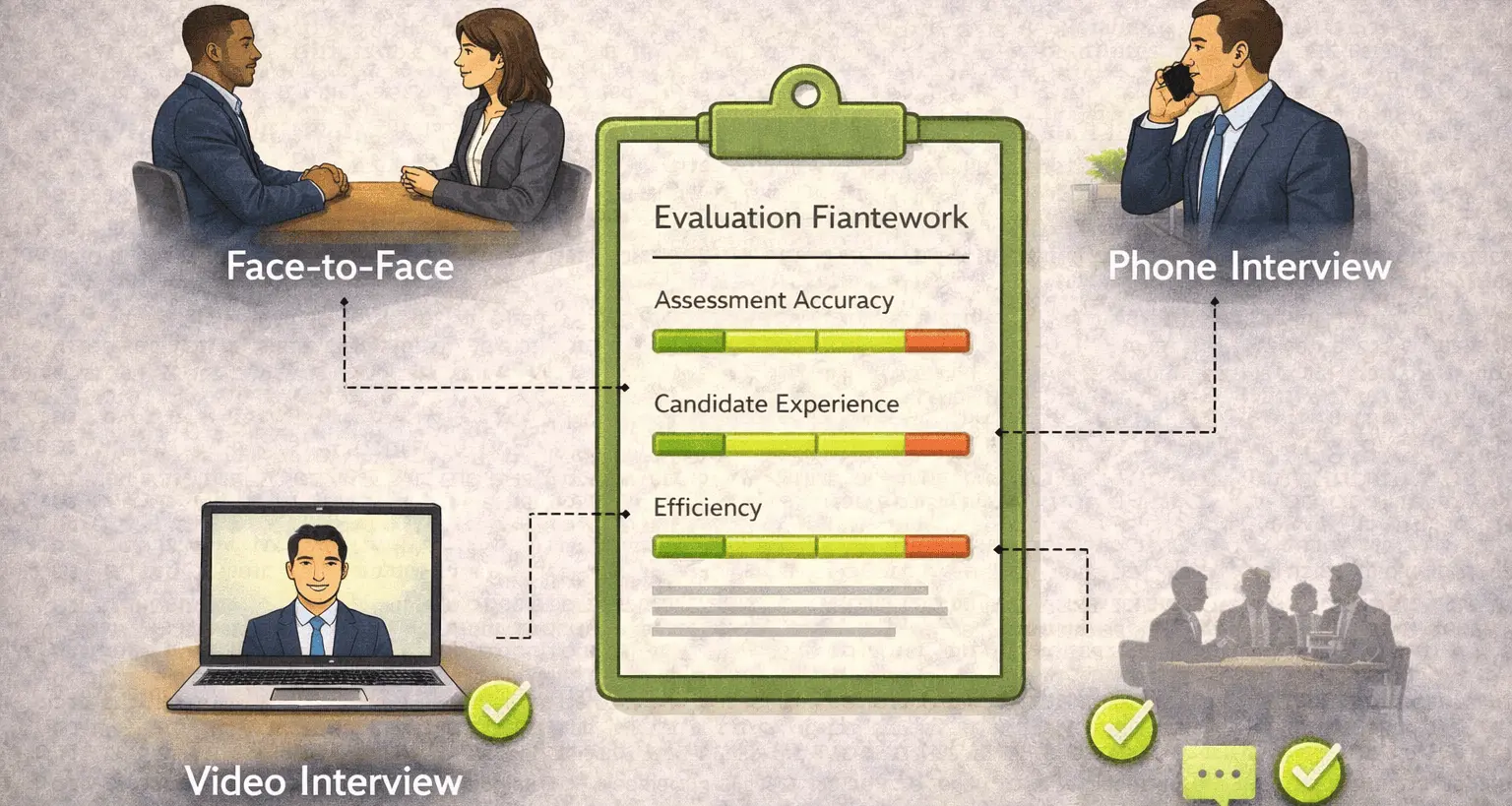
While organizations customize their processes, most interview formats fall into a few standard categories.
- One-on-one interview
- Panel interview
- Phone interview
- Video interview
- Behavioral interview
- Technical interview
One-on-One Interview Format
The one-on-one interview format involves a single interviewer and candidate. It allows for deeper discussion and flexible question flow.
This format emphasizes communication clarity and interpersonal rapport.
Panel Interview Format
Panel interviews involve multiple interviewers simultaneously. Each panelist evaluates different aspects of the candidate.
Candidates should manage eye contact and structure answers clearly. For deeper guidance, review panel interview tips.
Phone Interview Format
Phone interviews are often used for initial screening. This interview format focuses on verbal clarity rather than nonverbal cues.
Preparation overlaps with phone interview tips.
Video Interview Format
Video interviews combine verbal and visual evaluation. Camera framing, lighting, and eye contact play a role in perception.
This format has become standard in distributed hiring environments.
Behavioral Interview Format
Behavioral interviews use past experiences to predict future performance. Candidates are expected to provide structured examples.
This interview format often relies on frameworks such as STAR.
Technical Interview Format
Technical interviews assess problem-solving and domain expertise. Candidates may be asked to code, design systems, or explain concepts.
For technical roles, this interview format overlaps with interview coder expectations.
Hybrid Interview Formats
Many organizations combine multiple interview formats. A single hiring process may include phone screening, technical assessment, and panel interviews.
Flexibility improves performance across hybrid formats.
How to Identify the Interview Format in Advance
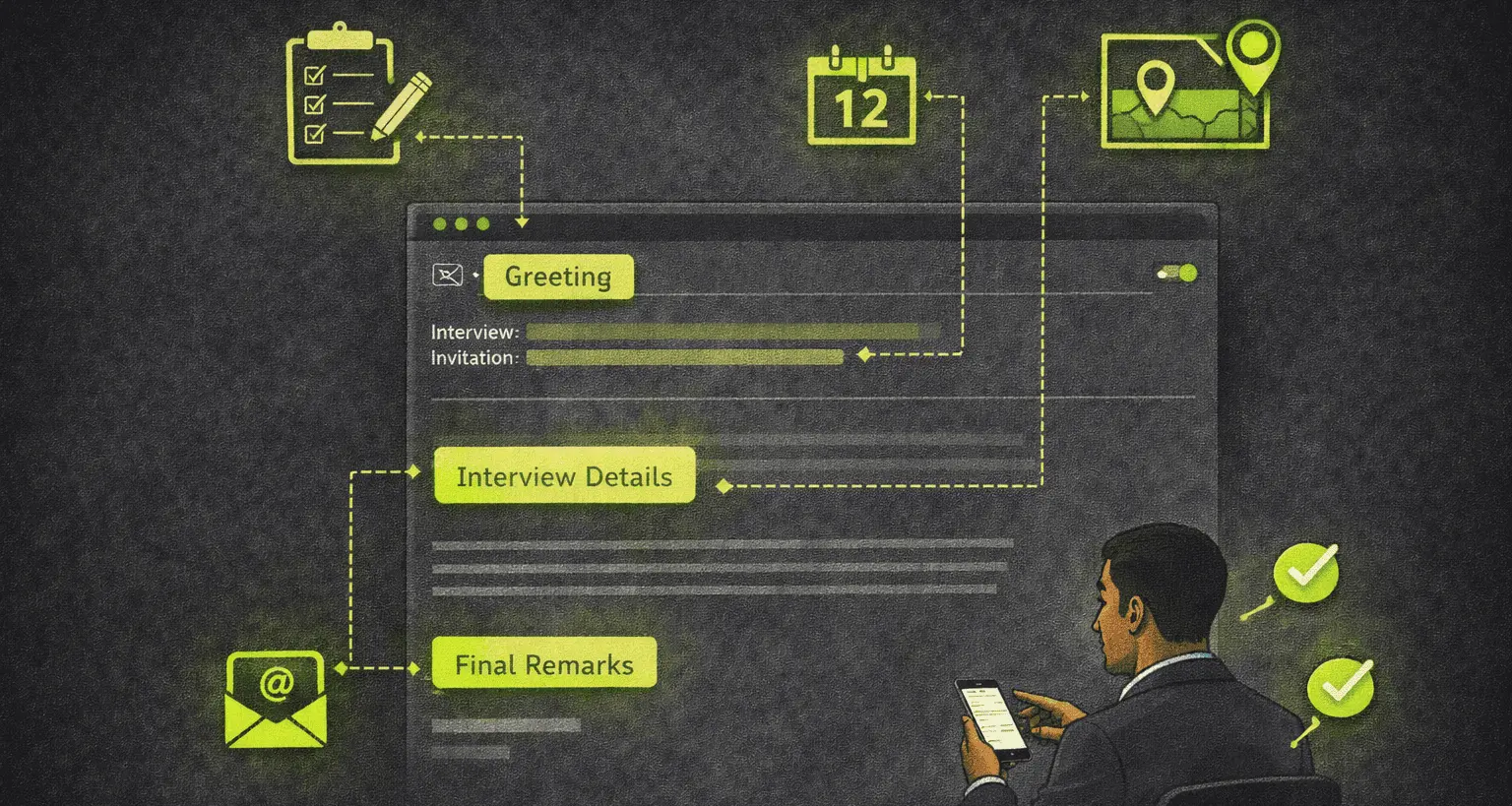
Candidates can often determine the interview format by reviewing invitations and schedules. Asking clarifying questions is appropriate and professional.
Clear expectations reduce anxiety and improve preparation quality.
Adapting to Different Interview Formats
Successful candidates adjust communication based on the interview format. This includes pacing, level of detail, and interaction style.
Adaptation demonstrates situational awareness.
Common Mistakes Across Interview Formats
Certain mistakes appear regardless of format. Awareness helps avoid avoidable missteps.
- Failing to understand the format
- Over-preparing for the wrong structure
- Ignoring time constraints
- Misreading interviewer cues
- Using the same delivery in all formats
Choosing the Right Preparation Strategy
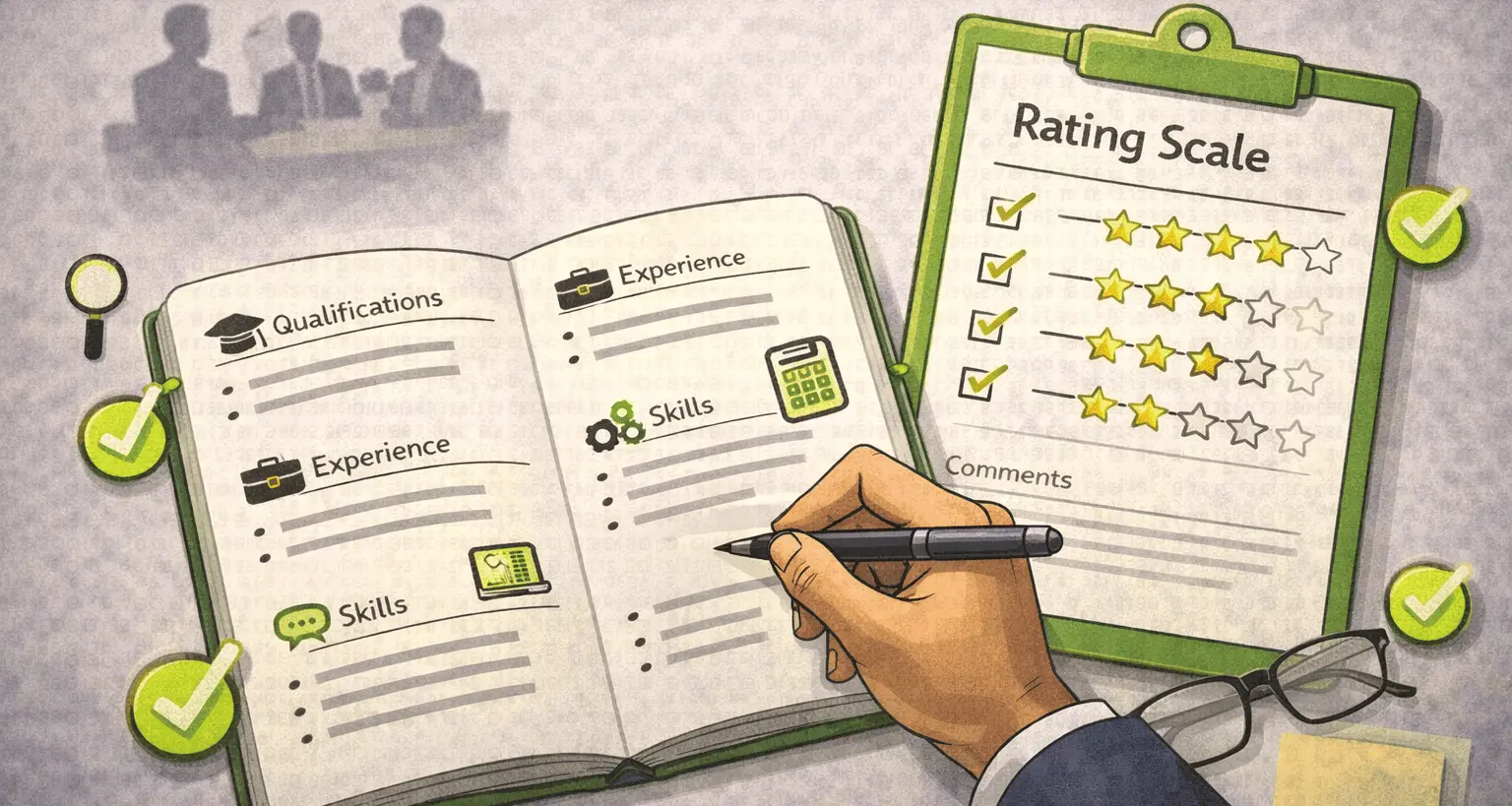
Preparation should align with interview format. Mock interviews improve familiarity and reduce performance variance.
Practicing across formats increases adaptability.
Final Thoughts
Understanding interview format transforms interviews from unpredictable events into structured conversations. Preparation, awareness, and adaptability consistently improve outcomes.
Learn the format. Prepare with intent. Let structure guide performance.