
Interview methods describe the structured approaches organizations use to evaluate candidates during hiring. Each method serves a specific purpose, shaping how skills, behavior, and potential are assessed.
This guide breaks down the most common interview methods, explains when each is used, and shows how candidates can prepare for different evaluation styles.
What Are Interview Methods?
Interview methods define how interviews are conducted, including question style, structure, interaction format, and evaluation criteria. The chosen method influences decision quality and candidate experience.
Most hiring processes combine multiple interview methods to balance objectivity and insight.
Why Interview Methods Matter
Different interview methods reveal different signals. Some highlight past behavior, others test reasoning or communication under pressure.
Understanding interview methods reduces uncertainty and improves preparation focus.
Structured Interview Method
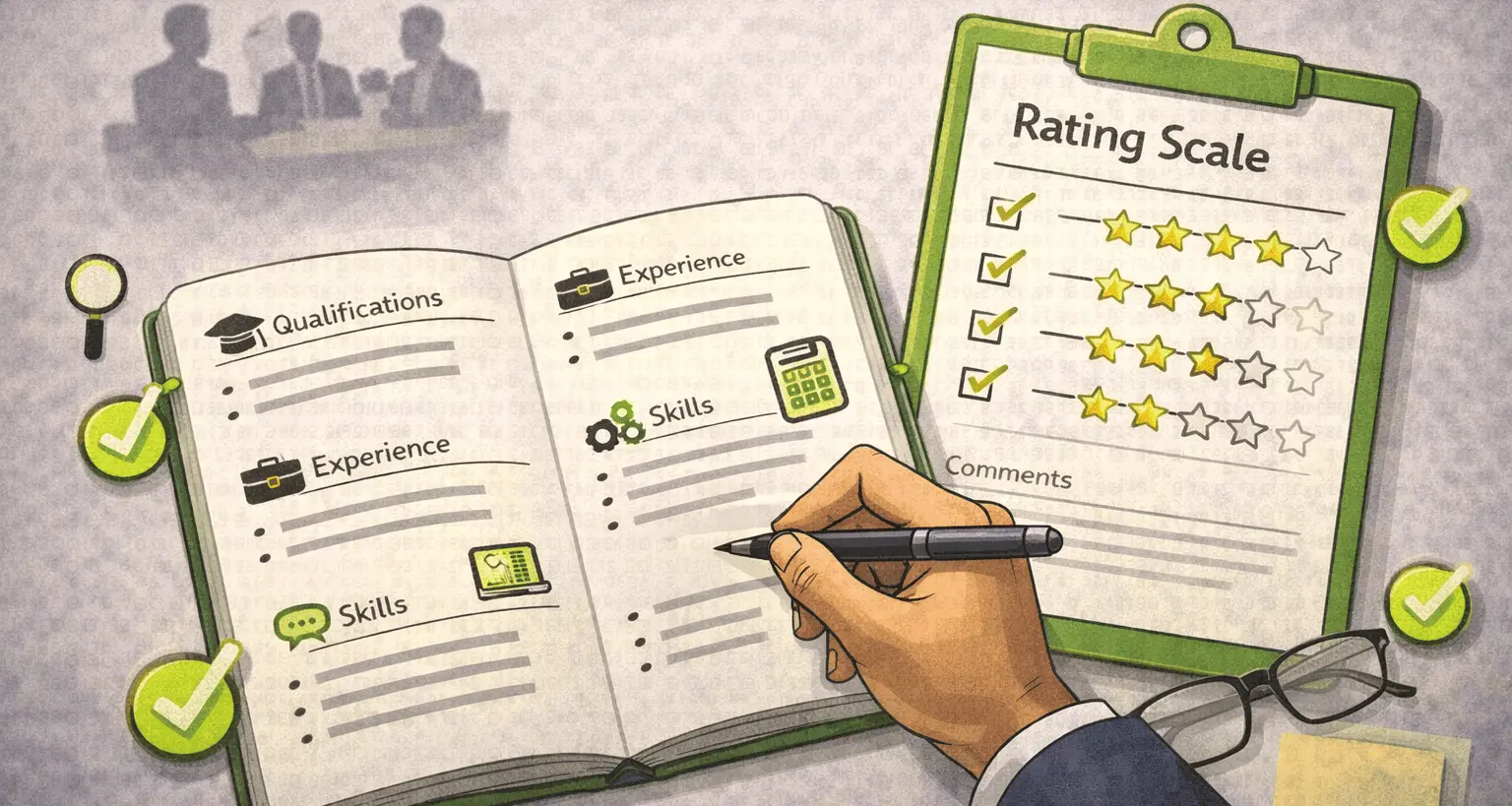
Structured interviews use standardized questions asked in the same order for every candidate. This interview method improves fairness and comparability.
Responses are often scored using predefined criteria.
Unstructured Interview Method
Unstructured interviews follow a conversational flow. Interviewers adapt questions dynamically based on responses.
While flexible, this interview method can introduce bias without careful moderation.
Semi-Structured Interview Method
Semi-structured interviews combine consistency and flexibility. Core questions remain fixed, while follow-ups explore individual depth.
This is one of the most widely used interview methods across industries.
Behavioral Interview Method
Behavioral interviews focus on past experiences as predictors of future performance. Candidates are asked to describe specific situations.
This interview method often uses structured frameworks such as STAR.
Situational Interview Method
Situational interviews present hypothetical scenarios. Candidates explain how they would respond.
This method evaluates judgment and decision-making.
Technical Interview Method
Technical interviews assess role-specific expertise. Tasks may include problem-solving, system design, or live coding.
For engineering roles, this overlaps with interview coder expectations.
Panel Interview Method
Panel interviews involve multiple interviewers simultaneously. Each panelist evaluates different competencies.
Candidates should adapt delivery and eye contact. See panel interview tips for preparation strategies.
Phone Interview Method
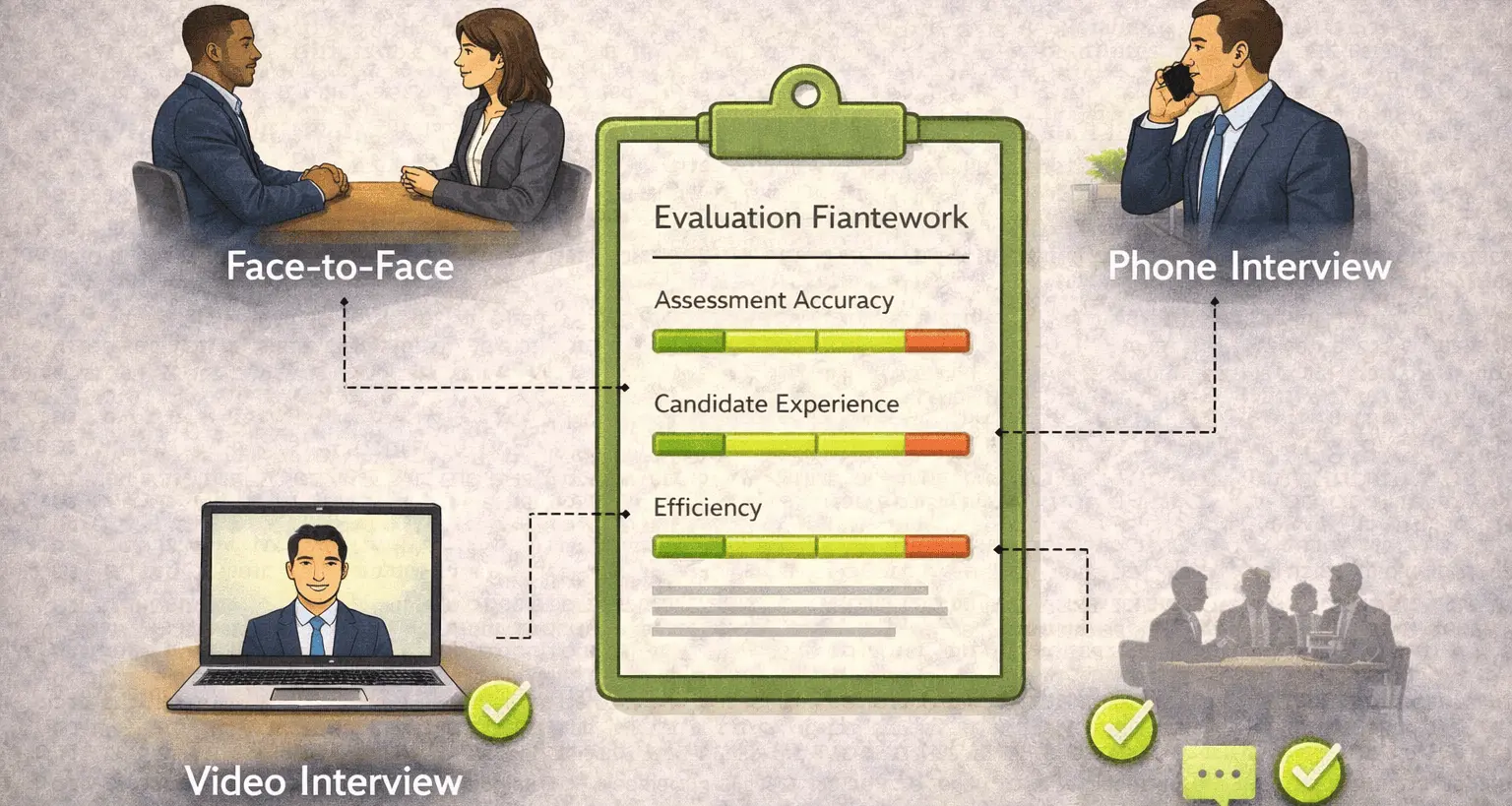
Phone interviews are commonly used for early screening. This interview method emphasizes verbal clarity and concise responses.
Nonverbal cues are limited in this format.
Video Interview Method
Video interviews combine audio and visual evaluation. They are widely used in remote hiring.
Camera framing and environment influence perception.
Assessment-Based Interview Method
Some interview methods include practical assessments. These may involve case studies, written exercises, or simulations.
Results are evaluated alongside interview responses.
Hybrid Interview Methods
Most modern hiring processes use hybrid interview methods. Screening, behavioral evaluation, and technical assessment are combined.
Candidates benefit from preparing for multiple methods.
Choosing the Right Interview Method
Employers select interview methods based on role complexity, seniority, and risk tolerance.
No single method fits all hiring needs.
How Candidates Should Prepare for Different Interview Methods
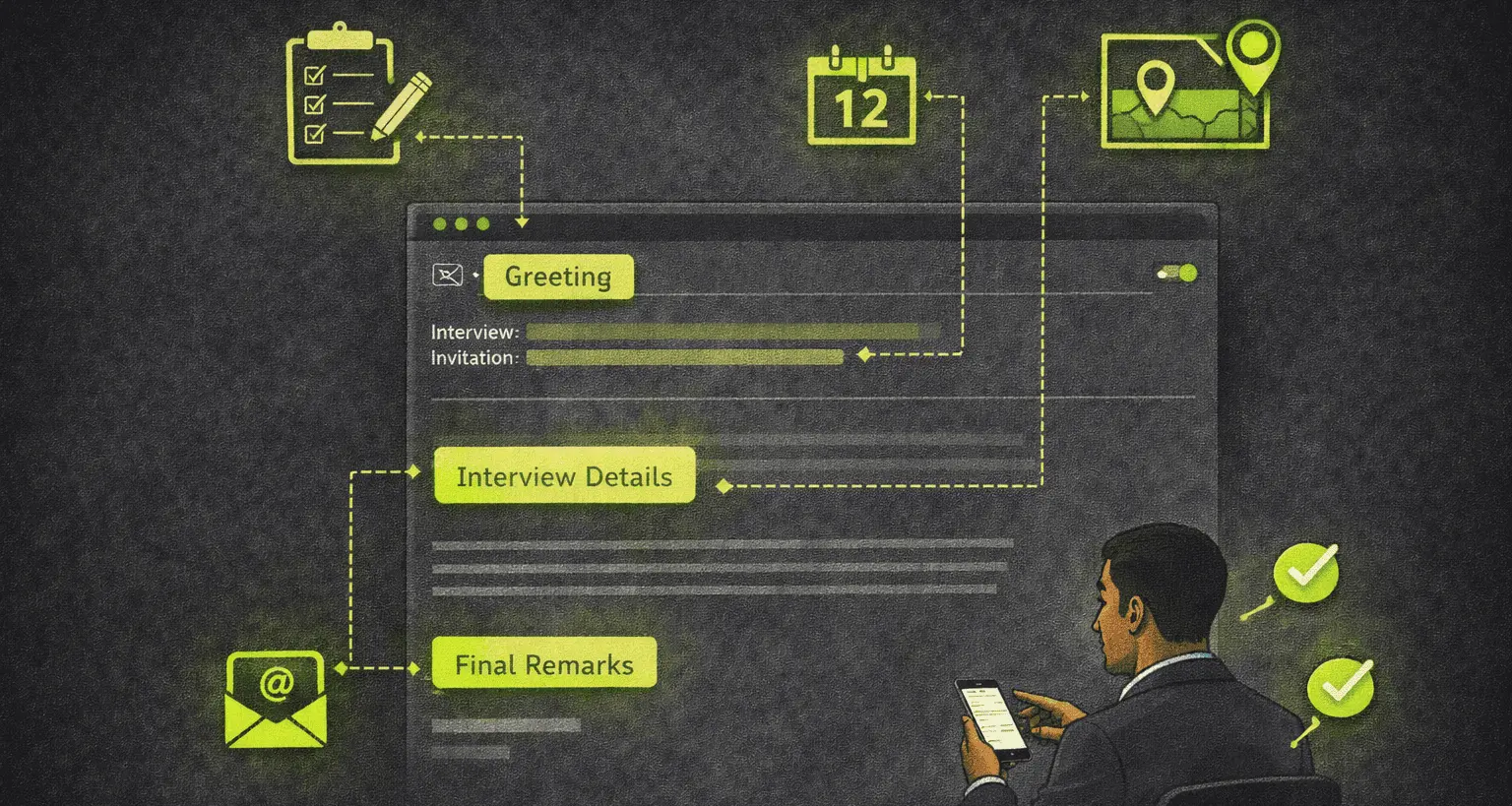
Preparation improves when candidates identify the interview method in advance. Reviewing schedules and invitations often provides clues.
Mock interviews increase familiarity across methods.
Common Mistakes Across Interview Methods
Certain mistakes reduce effectiveness regardless of interview method.
- Failing to understand the evaluation style
- Overusing generic answers
- Ignoring interviewer cues
- Poor time management
- Lack of structured examples
Interview Methods and Hiring Decisions
Interview methods influence how decisions are made. Structured approaches improve consistency, while flexible methods surface nuance.
Balanced use leads to better outcomes.
Final Thoughts
Understanding interview methods transforms interviews into predictable evaluations. Awareness, preparation, and adaptability consistently improve performance.
Learn the method. Prepare with intent. Let structure guide success.