
An interview cast refers to the group of people involved in evaluating a candidate during an interview process. Each person in the interview cast serves a specific purpose, even when their role is not explicitly explained. Understanding who is present and why helps candidates communicate more effectively.
This guide breaks down the typical interview cast, explains what each role evaluates, and shows how to adapt communication based on who is asking the questions.
What Is an Interview Cast?
The interview cast includes all interviewers participating in a hiring process. This may involve recruiters, hiring managers, team members, or cross-functional stakeholders.
A clear understanding of the interview cast reduces uncertainty and improves interview performance.
Why the Interview Cast Matters
Each interviewer evaluates different signals. Some focus on skills, others on communication, and others on alignment with organizational goals. Treating all interviewers the same often leads to missed opportunities.
Adapting to the interview cast helps candidates deliver relevant answers without changing authenticity.
Common Roles in an Interview Cast
While structures vary, most interview casts include a familiar set of roles.
- Recruiter or HR representative
- Hiring manager
- Future team members
- Technical interviewer
- Cross-functional stakeholder
- Panel facilitator
Recruiter or HR Representative
Recruiters often appear early in the interview cast. They evaluate communication clarity, motivation, availability, and role alignment. This role filters candidates before deeper evaluation.
For recruiter-led interviews, review HR interview questions to align preparation.
Hiring Manager
The hiring manager is usually the most influential member of the interview cast. This person evaluates how well a candidate can solve problems relevant to the role.
Answers should connect experience directly to team needs and expectations.
Future Team Members
Team members assess collaboration, communication style, and working dynamics. They often ask situational or behavioral questions.
Demonstrating openness and adaptability matters more than technical depth in these conversations.
Technical Interviewers
Technical interviewers focus on problem solving, reasoning, and execution. They assess how candidates approach complexity and explain decisions.
For technical roles, preparation overlaps with interview coder expectations.
Cross-Functional Stakeholders
Some interview casts include stakeholders from other departments. They evaluate collaboration across teams and broader organizational impact.
Speak in accessible language and avoid overly specialized terminology.
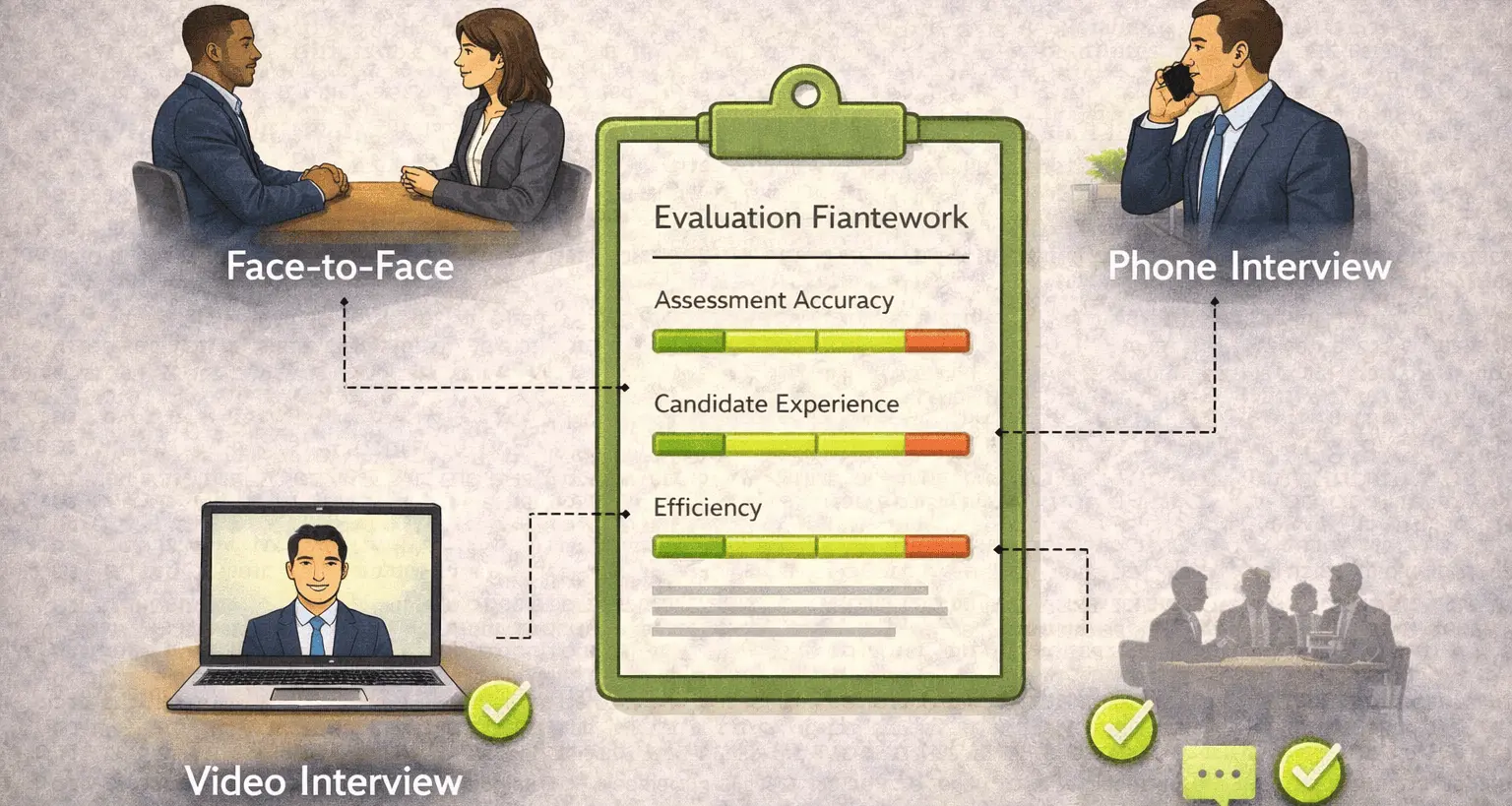
Panel Interview Casts
Panel interviews involve multiple interviewers simultaneously. Managing attention and pacing becomes critical. Candidates should distribute eye contact and structure answers clearly.
For panel formats, review panel interview tips for practical strategies.
How to Prepare for a Mixed Interview Cast
Preparation improves when candidates anticipate different perspectives. Review the interview schedule and research each participant when possible.
Prepare examples that can be adapted based on who is asking follow-up questions.
Adapting Answers Based on the Interview Cast
The same experience can be framed differently. Technical interviewers value detail. Managers value impact. Team members value collaboration.
Adaptation is not inconsistency. It reflects awareness of audience.
Common Interview Cast Mistakes
Candidates often misread the room. These mistakes are common but avoidable.
- Focusing on only one interviewer
- Ignoring non-technical evaluators
- Overloading answers with jargon
- Failing to read audience cues
- Assuming all interviewers share priorities
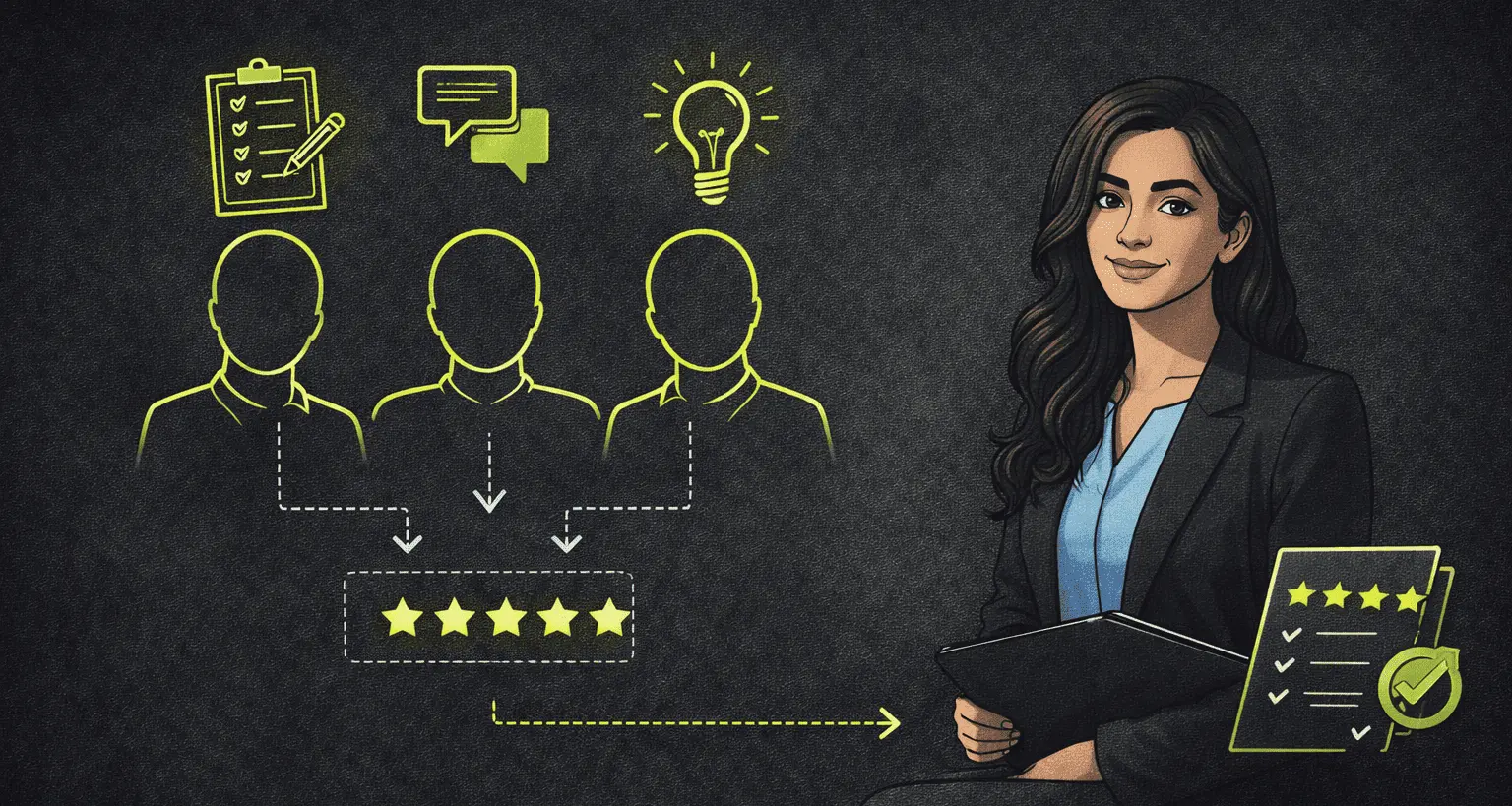
Interview Cast and Decision Making
Each interviewer contributes input. Hiring decisions often emerge from collective discussion. Strong alignment across the interview cast increases offer likelihood.
Consistency across interviews matters.
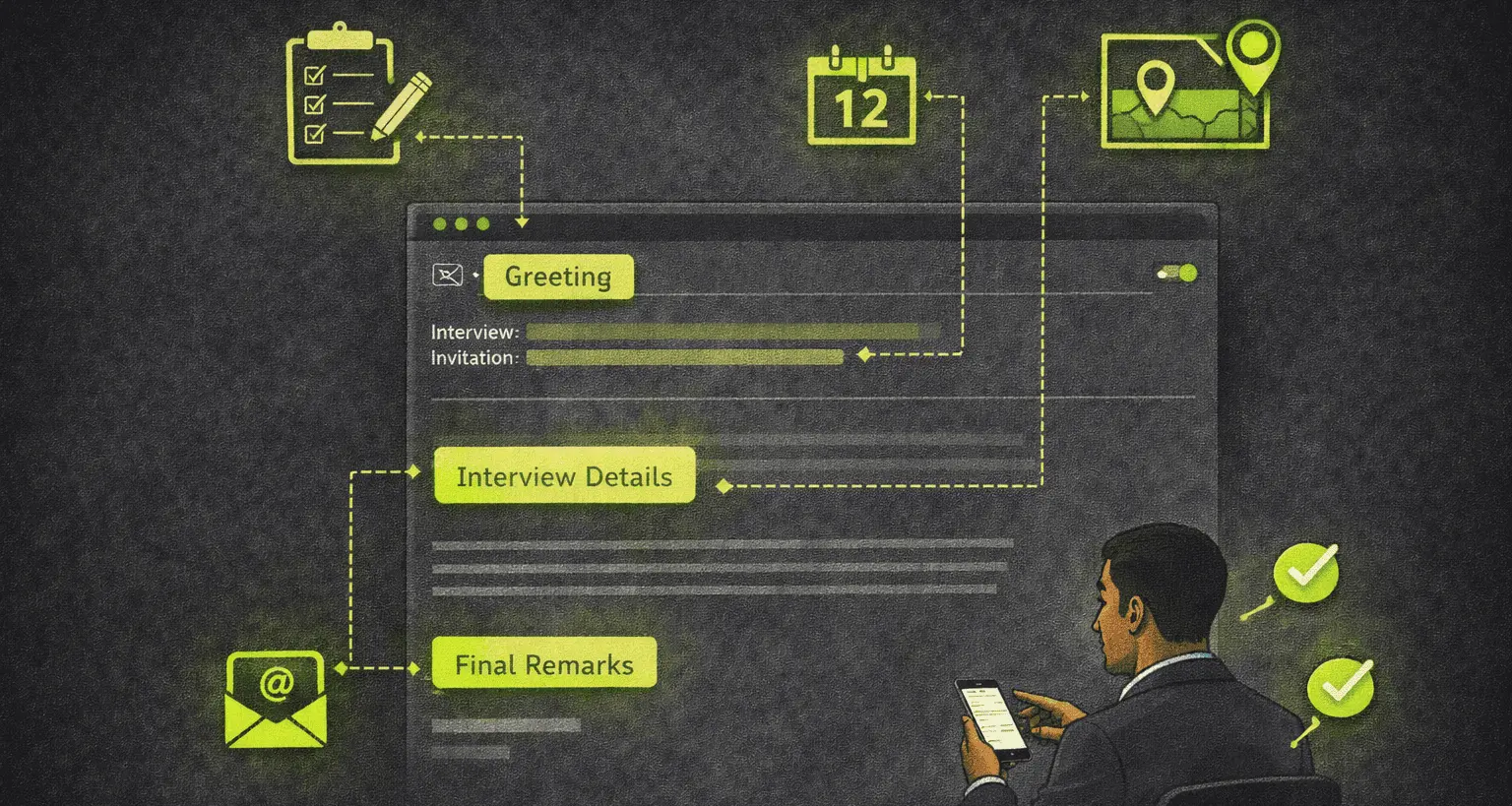
Following Up With a Multi-Person Interview Cast
Follow-up communication should acknowledge the group. Reference shared discussion points rather than individual opinions.
Professional follow-ups reinforce clarity and interest.
Final Thoughts
An interview cast represents multiple perspectives, not multiple obstacles. When candidates understand who is involved and why, interviews become more predictable and effective.
Prepare with awareness. Communicate with intention. Let adaptability guide interaction.