
Interview skills determine how effectively you communicate value, not just what experience you bring. Many candidates prepare answers but overlook the skills required to deliver those answers clearly, confidently, and under pressure.
This guide breaks down essential interview skills, explains why they matter to employers, and shows how to develop them deliberately. These skills apply across industries, roles, and interview formats.
What Are Interview Skills?
Interview skills are the abilities that help candidates communicate, reason, and respond effectively during interviews. They include verbal communication, listening, structure, emotional control, and situational awareness.
Strong interview skills allow interviewers to understand your thinking, not just your resume.
Why Interview Skills Matter
Interviews are performance environments. Employers assess how candidates think aloud, handle ambiguity, and respond to follow-up questions. Technical knowledge alone rarely determines outcomes.
Consistent interview skills signal readiness, professionalism, and the ability to operate under real-world pressure.
Core Interview Skills Employers Look For
While roles differ, most interviewers evaluate similar skills. These capabilities help predict on-the-job performance.
- Clear verbal communication
- Active listening
- Structured thinking
- Professional judgment
- Adaptability
- Emotional control
Communication Skills in Interviews
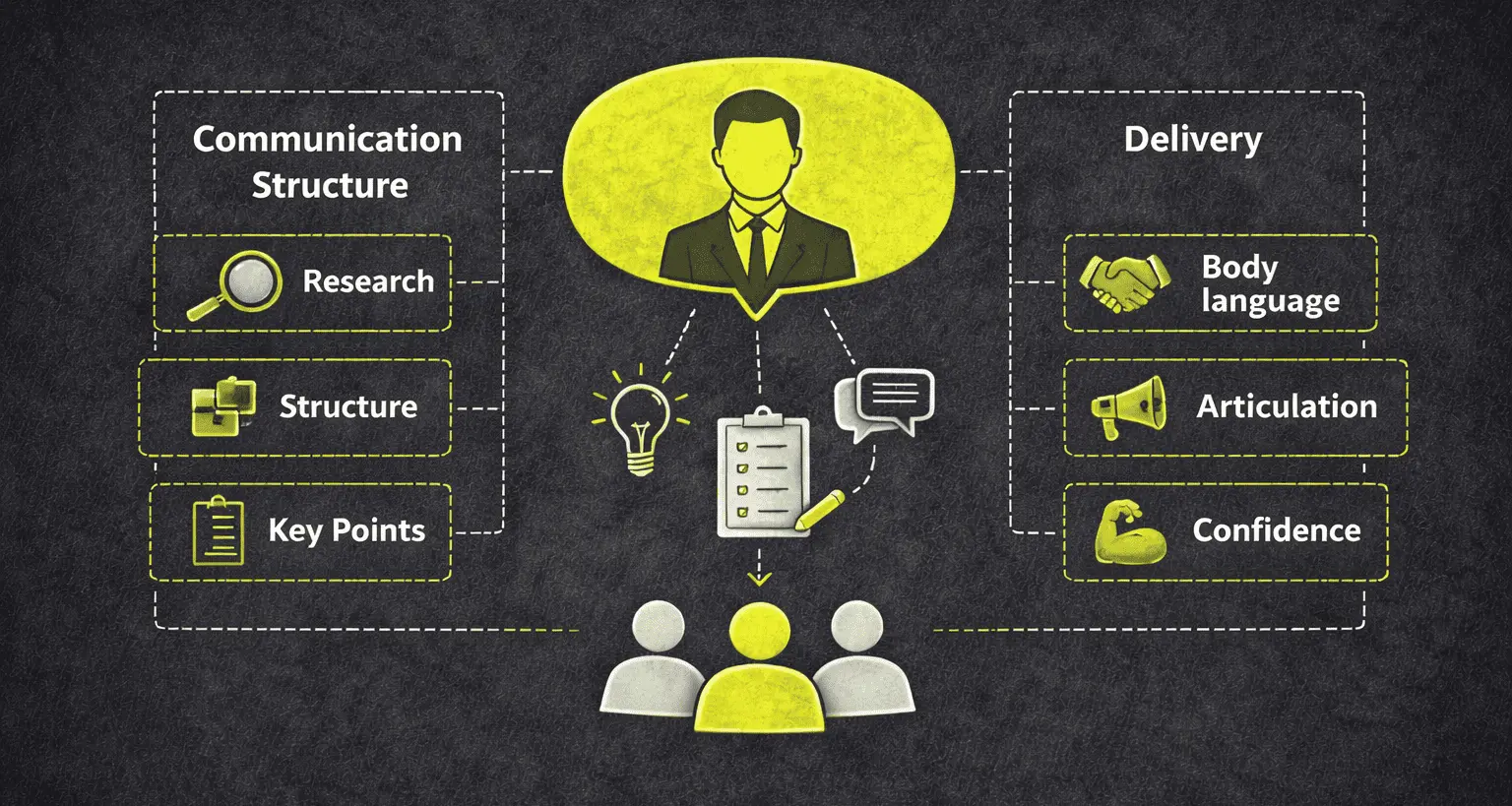
Communication is the foundation of interview performance. Speak clearly, at a steady pace, and with intention. Avoid jargon unless it directly supports your answer.
Effective interview skills prioritize clarity over volume. Fewer words, better structure.
Listening as an Interview Skill
Listening is often overlooked. Strong candidates listen fully before responding. They confirm understanding and address the real question asked.
Active listening improves response relevance and reduces misunderstandings.
Structured Thinking and Answer Delivery
Structure helps interviewers follow your reasoning. Signal structure explicitly: outline steps, compare options, or explain cause and effect.
Practicing behavioral interview questions strengthens structured responses.
Confidence Without Overconfidence
Confidence is not about dominance. It is about clarity and composure. Admit uncertainty when appropriate and explain how you would approach unknowns.
Balanced interview skills reflect self-awareness rather than bravado.
Handling Behavioral Questions
Behavioral questions test past actions. Interviewers use them to predict future behavior. Structure answers around context, action, and outcome.
Preparing examples in advance improves consistency during interviews.
Managing Stress During Interviews
Stress affects delivery. Controlled breathing, pauses, and pacing help regulate responses under pressure.
Strong interview skills include emotional regulation, not just knowledge recall.
Non-Verbal Interview Skills
Body language supports spoken answers. Maintain steady posture, natural gestures, and appropriate eye contact. Non-verbal cues influence interviewer perception.
For remote settings, review interview background preparation to support visual presence.
Asking Questions as an Interview Skill
Asking thoughtful questions shows engagement. It also helps you evaluate role fit. Prepare questions that reflect genuine curiosity.
Reference questions to ask to develop relevant prompts.
Common Interview Skill Gaps
Many candidates struggle with similar issues. Identifying gaps early accelerates improvement.
- Rambling answers
- Poor question interpretation
- Overly rehearsed responses
- Defensive reactions
- Weak closing statements
Improving Interview Skills Through Practice
Interview skills improve through deliberate practice. Simulate real interviews. Review recordings. Focus on one improvement area at a time.
Pair preparation with mock interview practice to build consistency.
Measuring Interview Skill Progress
Progress appears through clarity, confidence, and reduced cognitive load. Answers feel less forced. Follow-ups feel manageable.
Feedback and reflection accelerate improvement.
Final Thoughts
Interview skills shape outcomes more than memorized answers. When communication, structure, and composure align, interviews become conversations rather than interrogations.
Build skills intentionally. Practice deliberately. Let clarity replace guesswork.