

Landing a job interview is thrilling, but let's be honest—it can also feel downright terrifying. You've polished your resume, crafted a killer cover letter, and now you're about to sit across from strangers who hold your career fate in their hands. The good news? With the right job interview advice, you can transform that nervous energy into confident performance. Whether you're fresh out of college or pivoting careers, smart preparation separates candidates who stumble from those who shine. In this guide, I'm sharing battle-tested job interview advice that's helped thousands of professionals walk out with offers in hand.
Here's what makes this advice work in 2025 and beyond: We're cutting through the fluff to focus on actionable strategies that actually work in today's competitive landscape. You'll learn how to research like a detective, answer tough questions with confidence, read the room like a pro, and follow up in ways that keep you top of mind. By the end, you'll have a playbook you can use for every interview you face. Ready to level up your interview game? Let's dive into the job interview advice that separates hopefuls from hired.
Research the Company and Role Like a Pro
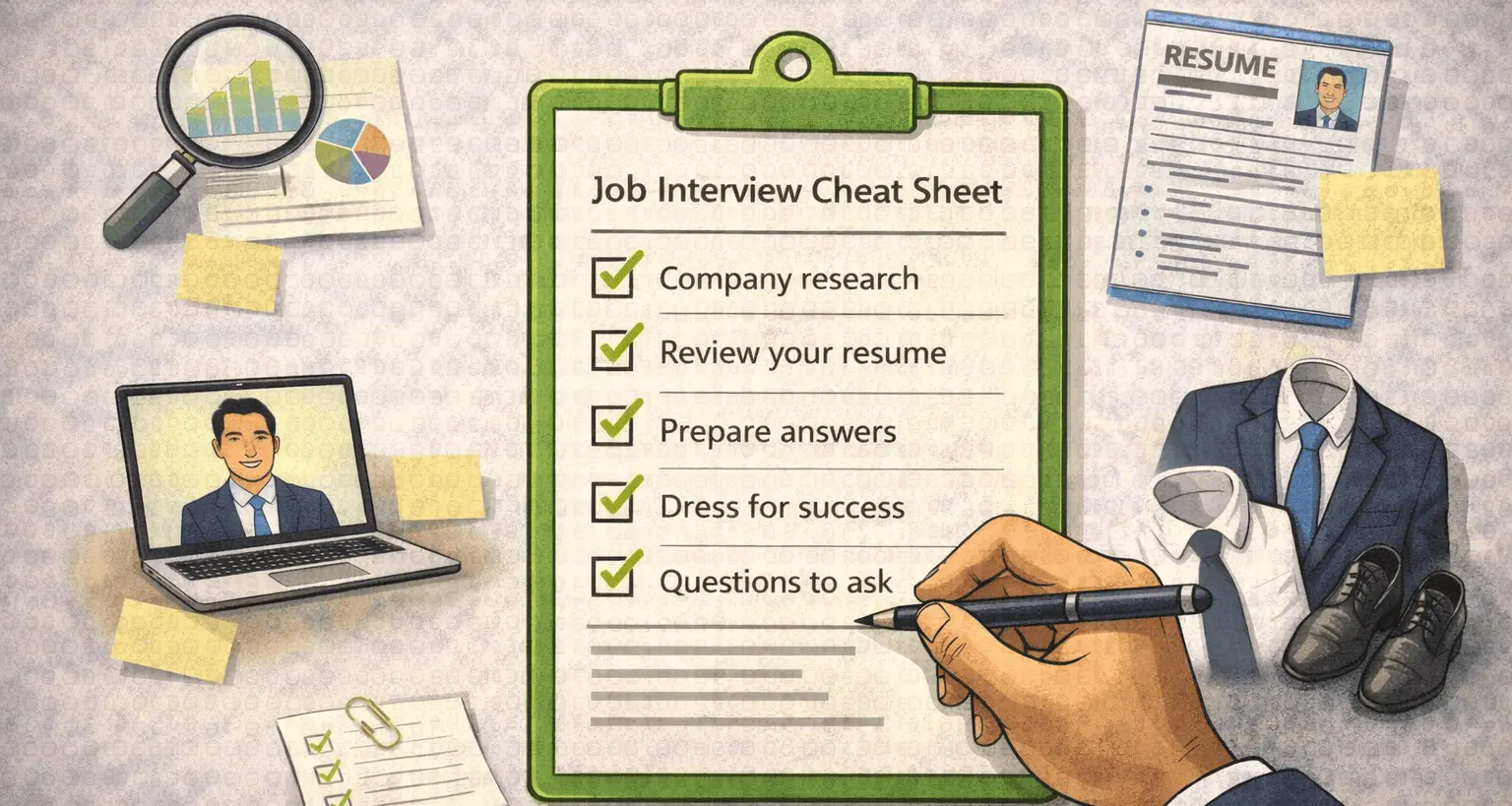
Before you even think about what to wear, you need to understand exactly who you're meeting and what they need. This foundational job interview advice cannot be overstated: Deep research separates informed candidates from those who walk in blind. Start by reading the job description word by word. Highlight key responsibilities, required skills, and any specific language they use—terms like "agile," "customer-first," or "data-driven." These clues reveal what to emphasize in your responses.
Next, investigate the company itself. Explore their website, recent press releases, blog posts, and social media. What products or services do they offer? What's their mission statement? Are they expanding into new markets or launching innovative projects? Understanding their goals allows you to align your experience with their priorities. For instance, if they're pushing hard into sustainability, spotlight your green initiatives or passion for environmental responsibility. Here's a research checklist to follow:
- Visit the "About Us" and "Careers" pages to grasp company culture and values
- Read the latest news articles or press releases to stay current on their activities
- Check LinkedIn to learn about your interviewers' backgrounds and interests
- Browse Glassdoor reviews for insider perspectives on work environment and management
- Study their social media channels to understand brand voice and customer engagement
- Identify top competitors to grasp the industry landscape and challenges they face
This isn't busywork—it's strategic intelligence. When you reference a specific project during the interview or ask informed questions about their roadmap, hiring managers notice. It signals genuine interest and separates you from applicants mass-applying everywhere. When evaluating job opportunities, understanding job vacancy meaning helps you identify legitimate positions and assess fit. This kind of job interview advice might seem obvious, but you'd be shocked how many candidates skip it and pay the price.
Master the Art of Storytelling with STAR Method
Interviews are fundamentally about storytelling. Hiring managers don't want to hear "I'm great at problem-solving"—they want proof through real examples. That's where the STAR method becomes essential job interview advice: Situation, Task, Action, Result. This framework helps you craft answers that are structured, memorable, and persuasive. Prepare five to seven STAR stories covering themes like leadership, teamwork, conflict resolution, adaptability, and achievement under pressure.
Here's how to build a compelling STAR story:
- Situation: Set the context briefly. "At my previous company, our customer retention rate dropped by 15% over two quarters."
- Task: Explain your role. "I was asked to identify the root causes and develop a recovery plan."
- Action: Detail what you did. "I conducted customer surveys, analyzed feedback patterns, and collaborated with product teams to address top pain points. We then launched a loyalty program with personalized incentives."
- Result: Quantify the outcome. "Within six months, retention climbed back to previous levels, and customer satisfaction scores improved by 22%."
Keep each story under two minutes—concise beats rambling every time. Practice out loud until the flow feels natural, not robotic. Record yourself to catch awkward phrasing or unnecessary tangents. Tailor your STAR stories to the job description so you're highlighting exactly what they're seeking. Learn more in our complete STAR method guide.
Nail the Most Common Interview Questions Every Time
While every interview is unique, certain questions appear with predictable regularity. Solid job interview advice means having polished answers ready for these classics. Let's tackle the big ones and how to approach them strategically.
"Tell Me About Yourself" – This isn't an invitation to recite your life story. Craft a 90-second pitch covering your professional journey, key strengths, and enthusiasm for this specific role. Example: "I'm a software engineer with eight years specializing in fintech applications. Most recently, I led a team that reduced transaction processing time by 40%. I'm excited about this opportunity because your focus on blockchain innovation aligns perfectly with where I want to grow my expertise."
"Why Do You Want This Job?" – Blend company admiration with personal fit. Mention specific aspects—maybe their cutting-edge technology, collaborative environment, or growth trajectory—and connect them to your career goals. Avoid generic flattery. Instead: "Your commitment to employee development through mentorship programs really resonates with me. Plus, this role lets me leverage my UX skills while learning from industry leaders." This answer shows you've done your homework.
"What Are Your Strengths and Weaknesses?" – For strengths, choose one or two that match the job and back them with evidence. "I excel at cross-functional collaboration, which helped me coordinate a product launch involving marketing, engineering, and sales teams." For weaknesses, pick something genuine but not disqualifying, and show growth. "I used to struggle delegating, but I've been working with a leadership coach and now empower my team more effectively." Authenticity wins. For more tips, explore our how to discuss weaknesses and how to highlight strengths.
"Where Do You See Yourself in Five Years?" – They're gauging ambition and retention likelihood. Paint a picture that includes growth within their organization. "I see myself deepening my expertise in data analytics, potentially leading a team and mentoring junior analysts. I'm excited about growing alongside a forward-thinking company like yours." Avoid mentioning plans to jump ship or vague non-answers. For a comprehensive list of questions, check our most common interview questions.
Prepare Smart Questions to Ask the Interviewer
When they ask, "Do you have any questions for us?" saying "No" is a massive mistake. This is critical job interview advice: Asking thoughtful questions positions you as someone evaluating mutual fit, not just begging for an offer. It demonstrates curiosity, strategic thinking, and genuine interest. Your questions should explore the role, team dynamics, and company direction.
Here are powerful questions to consider:
- "What does success look like in this role during the first six months?"
- "Can you describe the team I'd be joining and their current priorities?"
- "What challenges is the department facing, and how can this role help address them?"
- "How does the company support ongoing learning and professional development?"
- "What do you enjoy most about working here, and what's been the biggest challenge?"
- "What are the next steps in your hiring process and timeline?"
Tailor questions to what you learned during the conversation. If they mentioned a recent pivot, ask how it's affecting daily operations. Avoid questions easily Googled—that's lazy. Instead, show curiosity about culture, collaboration, and growth paths. See more smart questions to ask interviewers.
Perfect Your Body Language and Nonverbal Communication
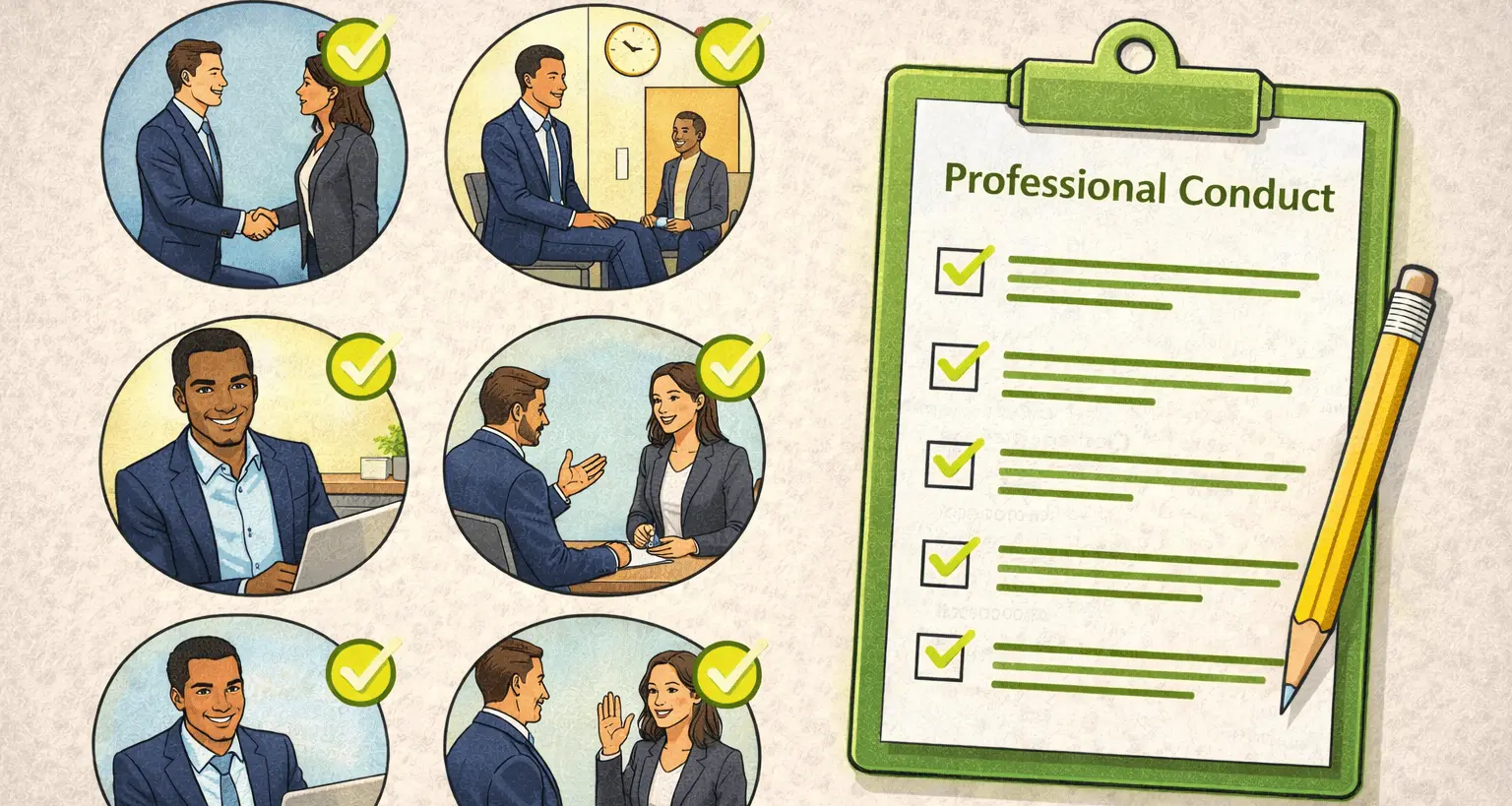
What you say matters, but how you say it often matters more. Research shows over 55% of communication is nonverbal, making body language a cornerstone of effective job interview advice. Start with posture: Sit upright but relaxed—think engaged, not stiff. Lean slightly forward to convey interest, and avoid slouching, which reads as disinterest or low energy.
Eye contact builds trust and connection. Aim for 60-70% of the time, breaking naturally to avoid staring contests. On video calls, look at the camera when speaking to simulate eye contact, then glance at the screen when listening. Smiling genuinely—especially at the start—sets a warm, approachable tone. Even during phone interviews, smiling affects your vocal quality, making you sound friendlier and more confident.
Watch for nervous habits that undermine your message:
- Fidgeting with pens, jewelry, or hair—keep hands calm or use purposeful gestures
- Crossing arms, which can appear defensive—rest hands on the table or in your lap
- Speaking too quickly when anxious—pause, breathe, and pace yourself deliberately
- Monotone delivery—vary pitch and inflection to keep answers engaging
- Over-nodding or minimal responses—balance listening cues without overdoing it
Practice in front of a mirror or record mock interviews to spot these tics. The goal is appearing confident and approachable, not rehearsed or robotic. When you combine strong verbal content with polished nonverbals, you create a powerful, cohesive impression that hiring managers remember long after you leave.
Handle Tough Questions and Curveballs with Grace
Not every interview follows a predictable script. Some companies throw curveball questions—"If you were a tree, what kind would you be?"—or use stress techniques to test your composure. Essential job interview advice here: Stay calm and think out loud. These oddball prompts aren't about the "right" answer; they're evaluating your problem-solving process and creativity under pressure.
For example, "How many tennis balls fit in a school bus?" isn't testing your math—it's gauging how you break down complex problems. Walk through your logic: "Well, I'd estimate the bus's volume, then the volume of a tennis ball, account for packing efficiency, and divide." Show structured thinking, not perfection. Stay curious and engaged rather than flustered.
In stress interviews, interviewers might interrupt, challenge your statements, or let awkward silence linger. Your best move? Stay poised and professional. If interrupted, politely finish your thought: "I'd like to complete this point, then I'm happy to address your question." If challenged, don't get defensive. Acknowledge their perspective and reinforce your position with evidence. "That's a valid concern. In my experience, this approach succeeded because..." Silence? Use it to collect your thoughts or ask a clarifying question rather than rambling to fill the void. The key is demonstrating resilience, not letting them rattle you.
Prepare Your Logistics and Tech Setup Flawlessly
Nothing derails an interview faster than logistics nightmares. Smart job interview advice includes sweating the small stuff so it doesn't become a big problem. Start by confirming the interview format, time, and location or meeting link. Add it to your calendar with a 30-minute early reminder to avoid last-second panic.
For virtual interviews, test your technology the day before:
- Verify camera and microphone quality—use headphones to minimize echo
- Confirm stable Wi-Fi or have a mobile hotspot backup ready
- Set up proper lighting—face a window or lamp to avoid shadows
- Choose a clean, quiet background or use a professional virtual backdrop
- Close unnecessary apps and tabs to prevent lag or distractions
- Keep the interviewer's contact info handy in case tech fails
For in-person meetings, map your route and plan to arrive 10-15 minutes early. Factor in traffic, parking, or transit delays. Bring extra resume copies, a notepad, and a pen. This attention to detail signals professionalism before you even speak. When logistics run smoothly, you can focus entirely on showcasing your value rather than scrambling with preventable chaos.
Practice with Mock Interviews to Build Confidence
Reading job interview advice is valuable, but practice transforms knowledge into performance. Mock interviews let you rehearse under realistic conditions without high stakes. Recruit a friend, mentor, or colleague to play interviewer, or use AI-powered platforms like getmockinterview.com for instant feedback. The more you simulate the real experience, the smoother and more confident you'll be when it counts.
During your mock session:
- Use actual questions you expect, mixing behavioral, technical, and situational prompts
- Time your responses—aim for 1-2 minutes to avoid rambling
- Request honest feedback on clarity, tone, and body language
- Record the session to review later and catch things you missed live
- Repeat challenging questions until they feel natural, not memorized
Mock interviews also reveal gaps in your preparation. Maybe you stumble on technical terms or lack a strong example for certain competencies. That's valuable intelligence—now you know what to strengthen. Treat these rehearsals seriously: Dress appropriately, minimize distractions, and resist restarting mid-answer. Embrace mistakes here so you don't make them later. This hands-on practice is arguably the most impactful job interview advice because it turns theory into muscle memory. For more guidance, see our guide on conducting mock interviews and recommended platforms.
Follow Up After the Interview to Stay Top of Mind
Your interview doesn't end when you walk out the door or close the Zoom window. A thoughtful follow-up is strategic job interview advice that reinforces interest and keeps you fresh in their minds. Within 24 hours, send a personalized thank-you email to each interviewer. Reference specific topics you discussed or insights you gained. This demonstrates attentiveness and genuine enthusiasm.
Your thank-you email should include:
- A warm opening thanking them for their time and the opportunity
- A brief reference to a memorable conversation point or insight shared
- Reiteration of your excitement about the role and how you'd contribute
- An invitation to reach out with any additional questions
- A professional close with your contact information
Keep it concise—three to four paragraphs maximum. Proofread meticulously; typos here can undo all your hard work. If you don't hear back within their stated timeframe, a polite follow-up a week later is appropriate. "I wanted to check in on my application status. I remain very interested and happy to provide any additional information." Learn how to write a thank-you email and professional follow-up email tips.
Turn Preparation Into Success
You now have a comprehensive roadmap covering research, storytelling, presentation, practice, and follow-up—everything you need to excel in any interview scenario. This job interview advice isn't theoretical; it's battle-tested wisdom from thousands of successful candidates who've walked this path before you. The difference between those who land offers and those who don't often comes down to preparation quality and execution.
Remember, interviewing is a skill that improves with practice. Each conversation you have refines your technique, builds your confidence, and expands your professional network—even if you don't get the offer. Every interview is valuable experience that prepares you for the next opportunity. When you commit to continuous improvement and implement this job interview advice consistently, success becomes inevitable rather than accidental.
So here's your action plan: Pick three strategies from this guide and implement them before your next interview. Maybe it's crafting STAR stories, conducting a mock interview, or researching the company deeper than ever before. Small, consistent actions compound into remarkable results. And when that offer letter arrives, you'll know you earned it through smart, deliberate preparation. Now get out there and show them exactly why you're the candidate they've been searching for. You've absolutely got this.
Need more resources to refine your approach? Explore our interview questions and answers guide, behavioral interview questions, and comprehensive preparation strategies.