
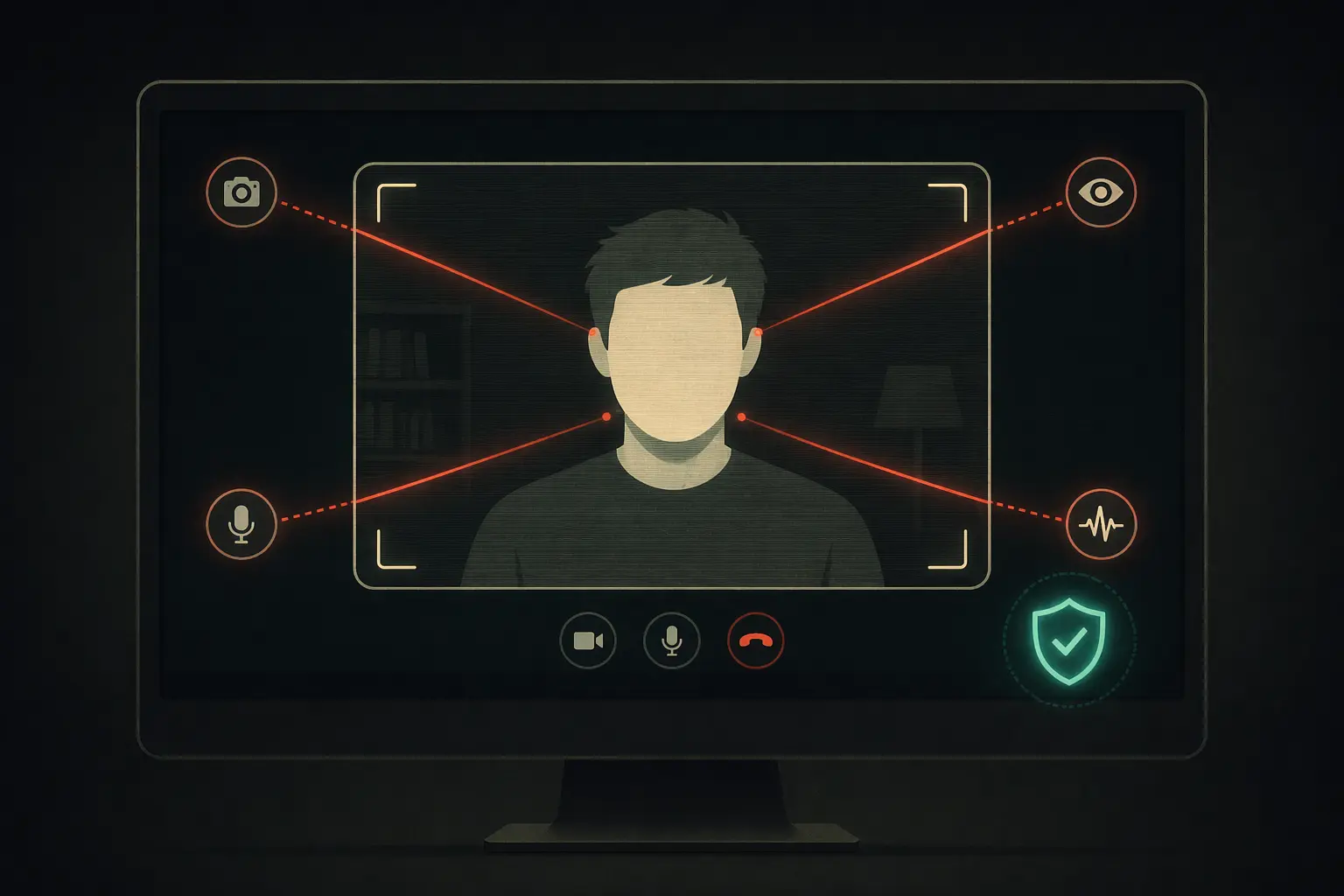
Recruiters and hiring managers are moving faster than ever, but speed can create new risks. As more interviews happen remotely, teams are seeing more cases of rehearsed scripting, hidden assistance, and identity mismatch. That is why search demand for the best ai tools for detecting dishonest responses during video interviews keeps growing among companies hiring at scale.
Most teams do not want a surveillance-heavy process. They want reliable signals that help interviewers make fair decisions while protecting candidate experience. The challenge is that many tools promise integrity insights but vary widely in accuracy, explainability, and compliance readiness.
This guide breaks down how to evaluate the best ai tools for detecting dishonest responses during video interviews with practical selection criteria. You will learn what these tools can and cannot do, how to compare vendors, what risks to manage, and how to roll out a system that improves trust instead of creating noise.
Why This Problem Is Getting Bigger in Remote Hiring
Video interviewing has made hiring more accessible, but it has also changed candidate behavior. Some candidates now use hidden prompts, second-screen support, or real-time answer coaching. Others may present credentials that are difficult to verify in a short call.
These issues are not always malicious in the same way, but they can distort hiring outcomes. A candidate with external assistance may appear stronger than they are, while a prepared but honest candidate can be unfairly compared against artificial performance.
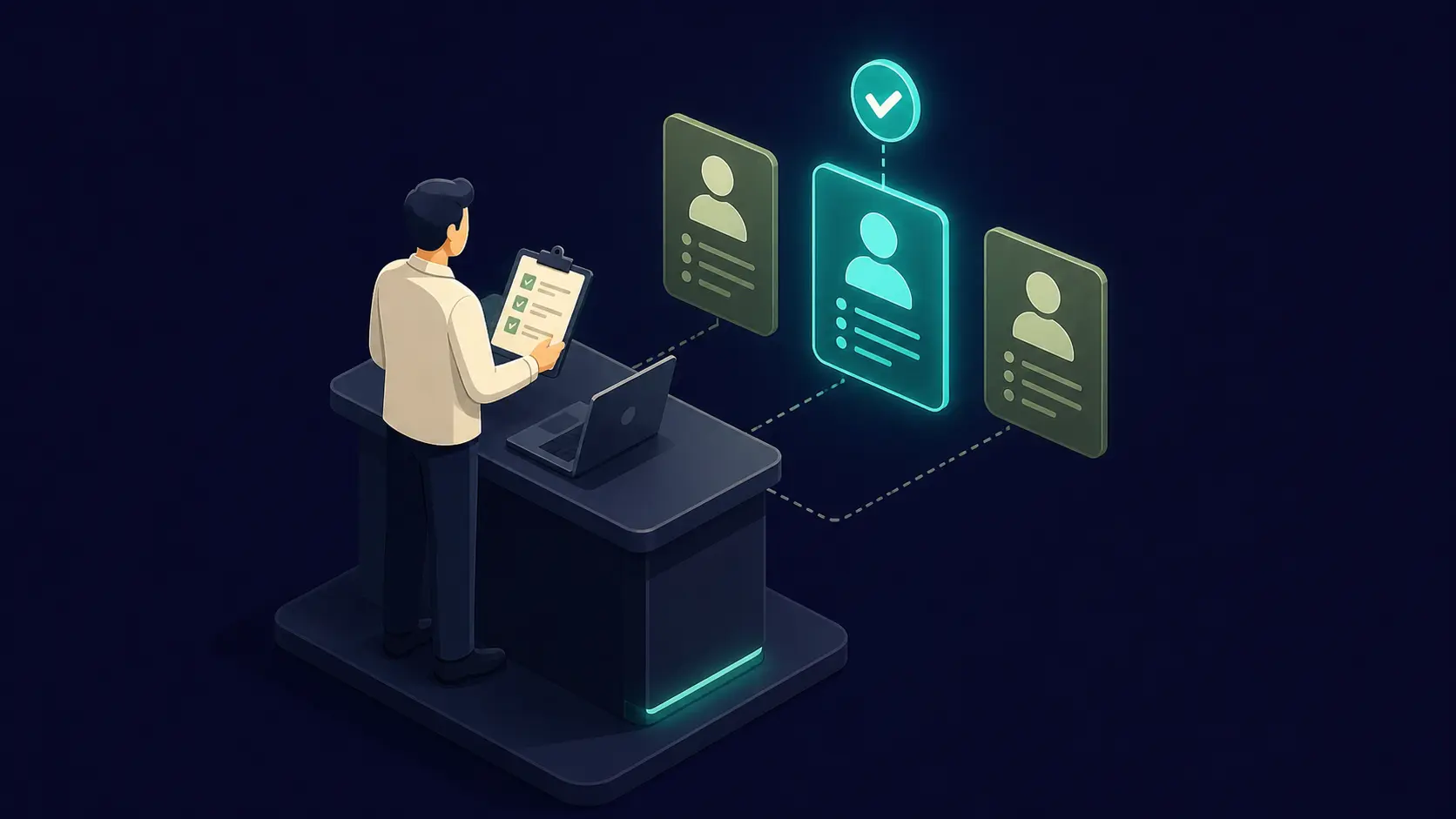
That is where the best ai tools for detecting dishonest responses during video interviews become useful. The goal is not to replace interviewer judgment. The goal is to highlight risk patterns early so humans can review evidence and ask better follow-up questions.
Common risk patterns teams are trying to reduce:
- scripted responses that do not match follow-up depth,
- suspicious response latency patterns,
- inconsistent voice or identity signals,
- repeated answer structures across unrelated prompts,
- and unusual behavior during high-stakes technical questions.
If your organization hires for customer support, sales, or engineering at volume, these patterns can materially affect quality of hire.
What AI Detection Tools Actually Do
Before buying software, it helps to separate marketing claims from operational capabilities. The best ai tools for detecting dishonest responses during video interviews usually combine multiple signal types rather than relying on one lie detector model.
Typical capability layers include:
Behavioral Consistency Analysis
These models look for mismatches in response flow, confidence stability, and content coherence across the interview. They often flag abrupt style shifts or over-rehearsed patterns.
Response Authenticity Checks
Some systems compare answers to expected role-level depth. If responses stay generic under probing questions, the platform may mark a low authenticity confidence score.
Identity and Session Integrity Controls
Vendors may include identity verification steps, device or session monitoring, and suspicious activity flags to reduce impersonation risk.
Prompt Leakage and Assistance Signals
More advanced products can identify patterns associated with off-screen assistance or repeated templated answers.
Risk Scoring and Human Review Workflows
Strong platforms do not auto-reject candidates. They route flagged interviews to structured human review with timestamped evidence.
When assessing the best ai tools for detecting dishonest responses during video interviews, prioritize systems that combine these layers with transparent review workflows.
What Good Buyers Evaluate First
Many teams compare price before process fit. That usually leads to weak adoption. Start with operational requirements and decision quality goals.
A practical evaluation checklist:
- Which roles have the highest integrity risk today?
- At which interview stage does risk most often appear?
- Who reviews flagged sessions and how quickly?
- What false-positive rate is acceptable for your team?
- How will interviewers document final decisions after a flag?
These questions help define whether a tool will actually reduce hiring risk or simply add alert fatigue.
These tools should improve recruiter confidence and interview fairness, not create a hidden rejection layer that nobody understands.
Core Features You Should Require
If a vendor cannot meet these baseline requirements, it is usually not ready for production hiring.
1. Explainable Risk Signals
Every alert should show why it was generated, with examples tied to a time range in the interview. Black-box scores are hard to trust.
2. Configurable Risk Thresholds
Different roles need different sensitivity levels. Entry-level customer support and senior engineering interviews should not use identical flag thresholds.
3. Human-in-the-Loop Review
Automated flags should trigger review, not automatic rejection. Interview teams need controls to override, confirm, or dismiss alerts with notes.
4. ATS and Workflow Integration
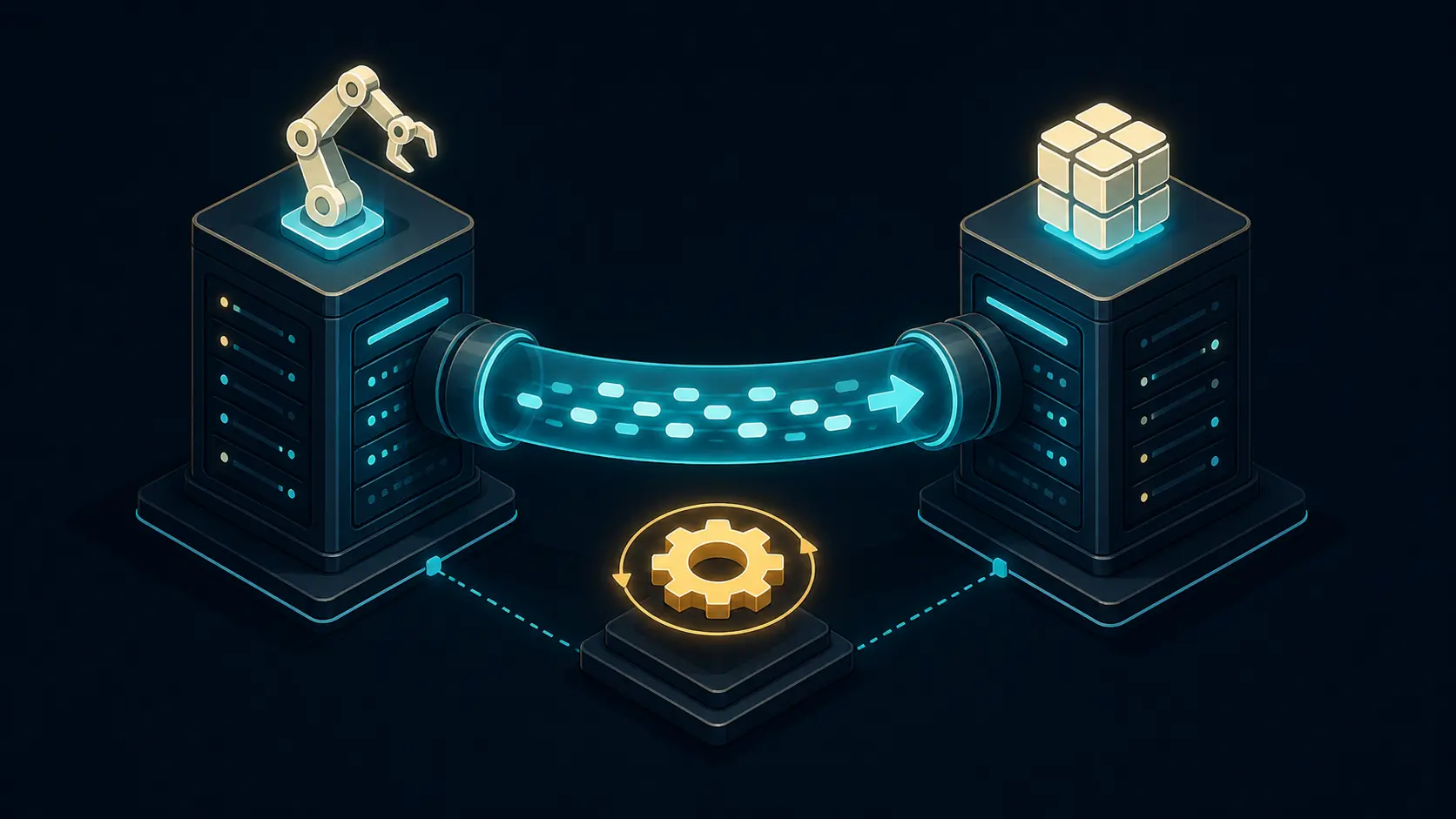
Risk flags, review notes, and final decisions should write back to your ATS cleanly. Manual copying breaks adoption.
5. Auditability and Governance
You need a clear audit trail for who reviewed what, which flags were acted on, and why decisions changed.
These features are central when comparing the best ai tools for detecting dishonest responses during video interviews because they directly affect quality, fairness, and compliance.
How to Compare Vendors With a Weighted Scorecard
A weighted scorecard makes decision-making more objective, especially when multiple vendors look similar in demos.
Suggested weighting model:
- Detection quality and consistency: 30%
- Explainability and reviewer UX: 20%
- ATS and workflow integration: 15%
- Compliance and privacy readiness: 15%
- Candidate experience impact: 10%
- Pricing and support model: 10%
Score each vendor using evidence from a sandbox, pilot, and reference calls, not only sales demos.
A simple scoring template for each capability:
- Feature tested
- Evidence source (demo, pilot, reference)
- Score from 1 to 5
- Risk level (low, medium, high)
- Mitigation plan
This structure helps teams compare the best ai tools for detecting dishonest responses during video interviews without relying on personal preference.
Compliance and Ethical Risk You Must Manage
Any integrity detection system introduces policy and legal considerations. If governance is weak, the tool can create reputational and legal risk even if detection quality is high.
Your review should include:
- candidate consent language for interview monitoring,
- regional privacy requirements,
- data retention limits for recordings and transcripts,
- access controls for sensitive interview evidence,
- and documented procedures for candidate appeals.
A recruiter perspective tip: publish a short internal policy explaining that risk flags are decision support, not final verdicts. This keeps interviewers aligned and reduces over-reliance on automation.
The best ai tools for detecting dishonest responses during video interviews should support ethical hiring practices, not weaken them.
Real-World Scenario: High-Volume Hiring Pilot
Consider a company hiring 200 support and operations roles per quarter. The team noticed inconsistent interview quality and suspected some candidates were using scripted external assistance.
They ran a six-week pilot with one AI integrity platform in the first interview round only.
Pilot setup:
- 2 role families,
- 4 trained reviewers,
- weekly calibration sessions,
- ATS writeback for every flagged case,
- and mandatory reviewer notes before any decision.
Pilot outcomes:
- reviewers found a manageable subset of high-risk interviews,
- false positives dropped after threshold tuning,
- interviewer follow-up quality improved,
- and decision confidence increased in final panels.
The critical success factor was not the model alone. It was process design: clear review ownership, calibration discipline, and human decision accountability.
This is why teams searching for the best ai tools for detecting dishonest responses during video interviews should evaluate operations readiness as seriously as model quality.
Mistakes That Reduce Tool Value
Even strong platforms fail when deployed with weak process controls.
Common mistakes:
- Treating risk scores as auto-reject decisions.
- Running a pilot without baseline metrics.
- Ignoring reviewer training and calibration.
- Using one threshold for all roles and levels.
- Failing to document decision rationale in ATS.
- Expanding to all regions before policy review.
Another frequent issue is over-alerting. If a tool flags too many sessions, reviewers stop trusting the system. Good vendors provide threshold controls and feedback loops so quality improves over time.
When evaluating the best ai tools for detecting dishonest responses during video interviews, ask how quickly the system can be tuned after false-positive analysis.
30-60-90 Day Rollout Plan
A phased rollout helps teams reduce risk while building reviewer confidence.
Days 1-30: Planning and Baseline
- Identify target roles and current integrity risks.
- Define pilot success metrics (flag precision, reviewer agreement, time-to-decision).
- Finalize consent language and policy documentation.
Days 31-60: Controlled Pilot
- Launch on one or two role families.
- Run weekly calibration sessions with sample flagged interviews.
- Monitor false positives and adjust thresholds.
- Capture reviewer notes in a standardized template.
Days 61-90: Scale Decision
- Compare pilot metrics to baseline.
- Review candidate experience feedback.
- Audit compliance requirements by region.
- Expand only after review quality is stable.
This plan turns a tool evaluation into a reliable hiring operation and helps teams choose among the best ai tools for detecting dishonest responses during video interviews with confidence.
Buying Questions to Ask Every Vendor
Use these questions in your final evaluation meeting:
- How does your system explain each risk alert to human reviewers?
- What controls exist to minimize false positives by role type?
- How do you support candidate consent and policy requirements?
- What ATS integrations are available out of the box?
- How long does threshold tuning typically take in production?
- What reviewer calibration support do you provide?
Vendors that answer these clearly are usually more mature operationally than vendors who only share high-level model claims.
How to Practice Before an Interview
Hiring teams can also improve decision quality by practicing interview evaluation itself. Before live rollout, run mock interview sessions and review how reviewers interpret risk signals.
A practical option is getmockinterview, where teams can simulate AI-powered interview scenarios and compare how interviewers score clarity, consistency, and follow-up depth. This is useful for training reviewers before integrity tools are introduced.
For preparation workflows, many teams use online mock interview simulation to test interviewer prompts and practice interview with AI to improve consistency in review conversations.
The objective is to strengthen human judgment so automation becomes an accelerator, not a substitute.
Conclusion
Choosing the best ai tools for detecting dishonest responses during video interviews is not just a software decision. It is a hiring design decision that combines model quality, reviewer process, and compliance discipline.
The most important takeaways are clear: require explainable alerts, keep humans in control of final decisions, and run a structured pilot before scaling.
Start with one role family, calibrate weekly, and measure outcomes against baseline metrics. With that approach, your team can improve interview integrity while protecting fairness and candidate experience.