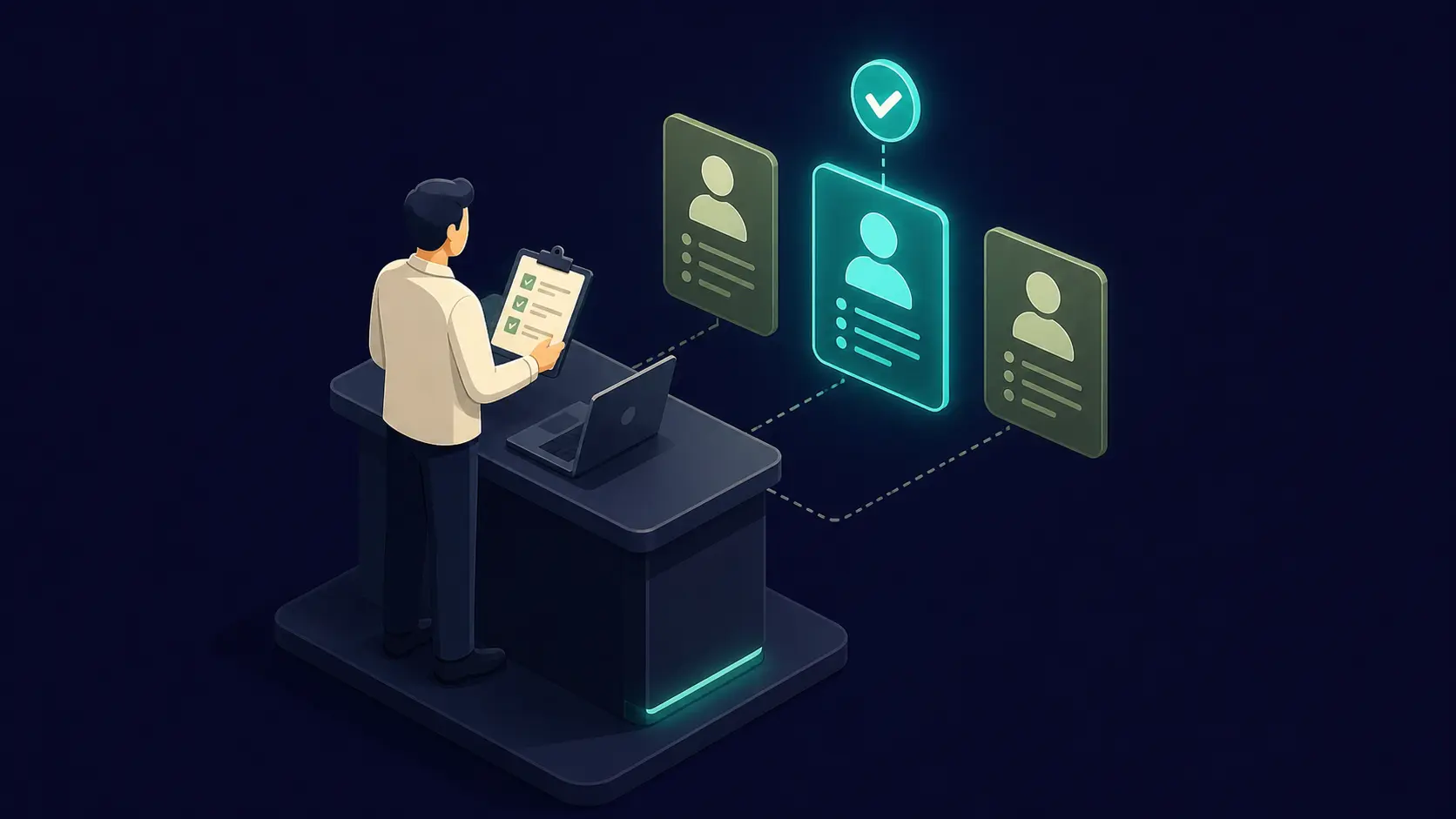


Hiring teams are under pressure from two directions at once: move faster and hire more fairly. That is why more talent leaders are evaluating AI interview solutions for diversity hiring. The promise is attractive: reduce repetitive screening effort, improve scoring consistency, and widen access to qualified candidates who are often missed by traditional workflows.
But technology alone is not a fairness strategy. If interview loops are inconsistent, scorecards are vague, or interviewer calibration is weak, AI can scale the same problems. In practice, the strongest results come from combining better process design with the right platform decisions.
This guide gives a practical, buyer-focused framework. You will learn which capabilities matter most, how to evaluate vendors with objective criteria, what metrics to track for fairness and performance, and how to roll out safely with a 30-60-90 day plan.
Why Diversity Hiring Efforts Stall in Real Recruiting Workflows
Many organizations do not fail diversity hiring because of poor intent. They fail because operational reality breaks consistency. Recruiters handle too many open roles, interviewers use different standards, and late feedback becomes opinion instead of evidence. Representation often looks healthy at the top of funnel but drops at screening, panel rounds, or final decisions.
Common bottlenecks include:
- Inconsistent interview questions across teams and roles
- Unstructured scorecards that reward subjective impressions
- Over-reliance on pedigree signals instead of job-relevant evidence
- Long, unclear hiring timelines that increase candidate drop-off
- Weak analytics that hide where bias enters the process
A realistic example: a SaaS company increased underrepresented applications through outreach, but onsite pass rates did not move. Review showed interviewer rubrics differed by panelist, and feedback used vague language like "not a culture fit" without behavioral evidence. Better sourcing could not overcome weak evaluation design.
What AI Interview Platforms Actually Do
The label "AI interview platform" covers very different products. Some focus on scheduling and workflow automation. Others focus on question libraries, rubric enforcement, interviewer coaching, or decision analytics. During evaluation, separate features into capability layers so procurement conversations stay practical.
Structured Interview Design
Look for tools that standardize role-relevant questions, competency definitions, and anchored scoring. If structured interviewing is optional instead of default, fairness impact is usually limited.
Interviewer Calibration Support
Strong tools provide note prompts, evidence templates, and scoring variance views across panelists. This makes drift visible and easier to correct.
Candidate Experience and Accessibility
Clear instructions, flexible scheduling, and accommodation support improve completion rates and reduce avoidable exclusion.
Analytics and Auditability
Leadership teams need stage-level conversion, representation trends, and score distribution reports by role and interviewer. Without this visibility, fairness claims are hard to validate.
ATS and Workflow Integration
Integration quality strongly impacts adoption. If recruiters must duplicate data entry, process quality declines quickly under hiring pressure.
The Evaluation Framework: 6 Criteria That Matter Most
Treat platform selection as a systems decision, not a feature checklist. Use a fixed framework so each vendor is compared consistently:
- Fairness by design: structured rubrics, consistent question sets, and safeguards against irrelevant evaluation signals.
- Assessment validity: competency models that map to real job performance, not generic interview templates.
- Transparency: explainable recommendations and clear documentation of scoring logic.
- Interviewer usability: low-friction workflows that make high-quality feedback easier, not harder.
- Candidate trust: clear communication on process expectations and evaluation flow.
- Governance readiness: access controls, retention settings, audit trails, and policy documentation.
If two vendors seem similar, choose the one that improves interviewer behavior in live hiring conditions. Better process outcomes usually beat broader feature lists.
Build vs Buy: A Commercial Decision Model
For most organizations, this decision is less about ideology and more about execution speed and operational risk. In year one, buying usually delivers faster value because implementation, templates, and support are already packaged.
Use this simple decision model:
- Buy when you need quick rollout, proven workflows, and predictable deployment.
- Build when you have mature talent ops and internal resources for ongoing maintenance.
- Hybrid when you want a vendor core plus custom analytics in your BI stack.
Evaluate total cost, not just license fees. Include recruiter time saved per requisition, reduction in time-to-feedback, conversion improvements, and reduced role re-openings.
A practical procurement tactic is to require a role-specific workflow simulation in demo stage. This exposes integration and adoption issues early, before contracts are signed.
Implementation Roadmap: 30-60-90 Days
Days 1-30: Baseline and Pilot Scope
Define pilot roles and baseline metrics: stage conversion, time-to-feedback, interviewer score variance, and candidate satisfaction signals. Build role-specific scorecards and train interviewers on evidence-first feedback.
Days 31-60: Controlled Pilot
Run a focused pilot with stable interview loops so results are measurable. Hold weekly calibration reviews. If scoring patterns diverge without supporting evidence, retrain quickly.
Days 61-90: Scale and Governance
Expand only after pilot metrics improve. Formalize governance: rubric reviews, refresher training, and monthly fairness reporting to hiring leadership.
By this stage, the platform should become part of your standard hiring operating system rather than a side initiative owned by one team.
Red Flags to Catch Before Contract Signature
Teams often ask hard questions too late. During final evaluation, investigate these warning signals:
- The vendor cannot clearly explain recommendation outputs.
- Reporting focuses on vanity dashboards, not stage-level decisions.
- Structured scorecards are optional and easy to bypass.
- ATS integration details are vague or heavily service-dependent.
- Candidate communication workflows are rigid and hard to localize.
Also test operational edge cases: interviewer replacement, schedule disruptions, high-volume periods, and role requirement changes mid-quarter. Reliability in these scenarios matters as much as core feature quality.
How to Practice Before a Real Interview
Interview quality is not only a company-side challenge. Candidate readiness also affects hiring signal quality. For teams running structured loops, encouraging targeted practice helps candidates deliver more specific and comparable evidence during interviews.
A practical option is to recommend AI-driven rehearsal tools before interview day. Candidates can practice role-relevant scenarios, improve answer structure, and reduce anxiety through repetition. This often leads to stronger communication and clearer competency evidence in live rounds.
For example, recruiters can include prep resources in interview invites, such as realistic AI interview simulation and online mock interview training, so applicants can prepare in a structured way before panel sessions.
Conclusion
The best AI interview solutions for diversity hiring do not replace good hiring judgment; they support it at scale. Strong outcomes come from combining structured evaluation design, interviewer calibration, and measurable stage-level analytics.
If you are making a buying decision this quarter, focus on three priorities: operational fit, evidence quality, and governance readiness. Pilot first, measure rigorously, and scale only when data proves improvement.
With that discipline, organizations can improve speed, fairness, and candidate experience at the same time while building a more resilient and inclusive hiring system.