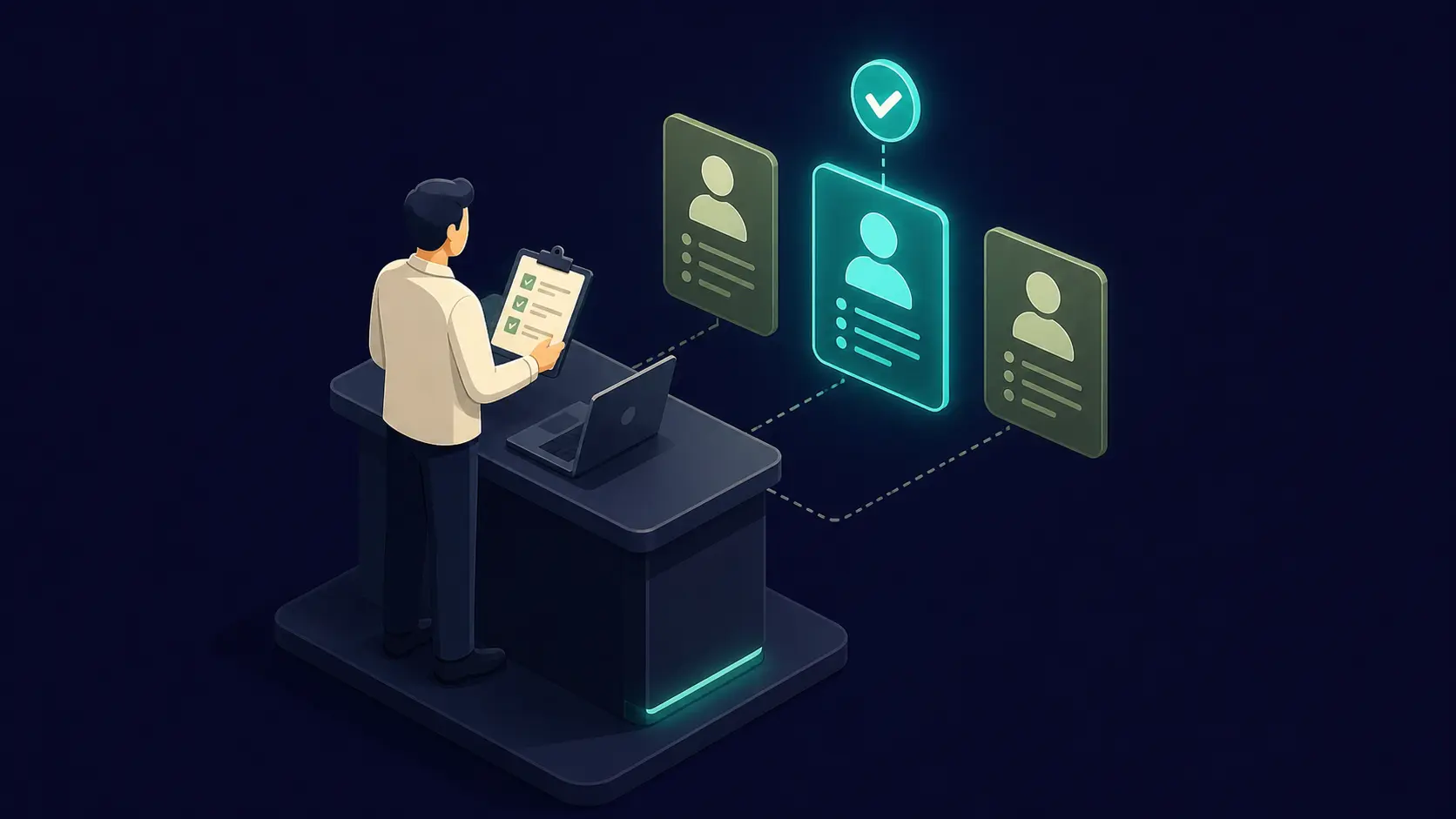


Tech hiring teams are under pressure to move faster without lowering candidate quality. Recruiters need to screen more applicants, hiring managers need better signal in less time, and candidates expect a smooth process. That is why many companies are now asking how to choose ai-driven interview software for tech roles before they commit budget for the next hiring cycle.
The challenge is that most demos look impressive. Vendors can show polished dashboards, automated summaries, and quick setup stories. But what matters in real hiring is different: signal quality, integration reliability, interviewer adoption, and fairness across candidate groups. A tool that looks strong in a sales call can fail when engineering managers use it during high-volume hiring weeks.
This guide breaks down how to choose ai-driven interview software for tech roles with a practical, decision-ready approach. You will learn what to define before talking to vendors, which capabilities actually improve technical hiring outcomes, how to evaluate risk and compliance, and how to run a pilot that gives clear evidence for go or no-go decisions.
Why Tech Roles Need a Different Evaluation Standard
Many interview platforms are built for generic hiring use cases. Tech hiring is different because role requirements vary by function and seniority, and weak assessment design can create expensive hiring mistakes.
For example, hiring a frontend engineer usually requires evaluating problem decomposition, code communication, and system trade-offs in UI architecture. Hiring a data engineer may emphasize pipeline reliability, SQL depth, and debugging approach. If a platform treats both roles with nearly identical templates, your evaluation signal becomes noisy.
This is the first principle in how to choose ai-driven interview software for tech roles: prioritize role-specific assessment depth over broad feature count.
In practice, tech teams need tools that can support:
- competency-based questions by discipline,
- clear rubric anchors for interviewer consistency,
- realistic technical scenario simulation,
- structured feedback that maps to hiring criteria,
- and evidence visibility for debrief discussions.
Without those basics, AI features become administrative helpers, not quality multipliers.
Start With Internal Alignment Before Vendor Demos
If your team starts by comparing vendors first, you risk choosing a tool that solves the wrong problem. Before you evaluate products, align internally on process gaps and success metrics.
A simple alignment checklist:
- Which roles create the biggest screening bottlenecks?
- At what stage do we lose qualified candidates?
- Where are interview decisions most inconsistent today?
- Which teams need structured scorecards the most?
- Which outcomes matter this quarter: speed, quality, or both?
This step is critical in how to choose ai-driven interview software for tech roles because it creates an objective filter for every vendor conversation.
A practical scenario: a startup believed its biggest issue was too many applicants. After mapping workflow data, they found the real problem was inconsistent technical evaluation in panel rounds. They switched focus from automation-only tools to rubric-first platforms and improved pass-through quality in two months.
When objectives are clear, your shortlist becomes smaller and far more relevant.
Must-Have Capabilities for Technical Interview Quality
The next step in how to choose ai-driven interview software for tech roles is to score products against capabilities that directly affect hiring outcomes.
1. Role-Specific Interview Frameworks
The platform should support role families such as frontend, backend, mobile, data, DevOps, and security with flexible competency mapping. Avoid systems that force one generic structure for all technical jobs.
2. Structured Scoring With Evidence Prompts
Good tools guide interviewers to rate specific competencies with behavioral or technical evidence. This reduces vague feedback like seems strong and improves debrief quality.
3. Consistency and Calibration Features
Look for scoring variance views across interviewers, prompt guidance for note quality, and calibration workflows. These features protect against drift when multiple teams interview at scale.
4. Candidate Experience Controls
A strong tech hiring platform should improve candidate experience, not just internal speed. Important features include clear instructions, flexible scheduling windows, and a low-friction interview interface.
5. Explainable Outputs
AI summaries should be transparent and reviewable. Hiring teams need to understand why recommendations appear, not just receive a score.
If you are serious about how to choose ai-driven interview software for tech roles, prioritize these five areas before considering nice-to-have automation features.
Integration and Workflow Requirements You Cannot Skip
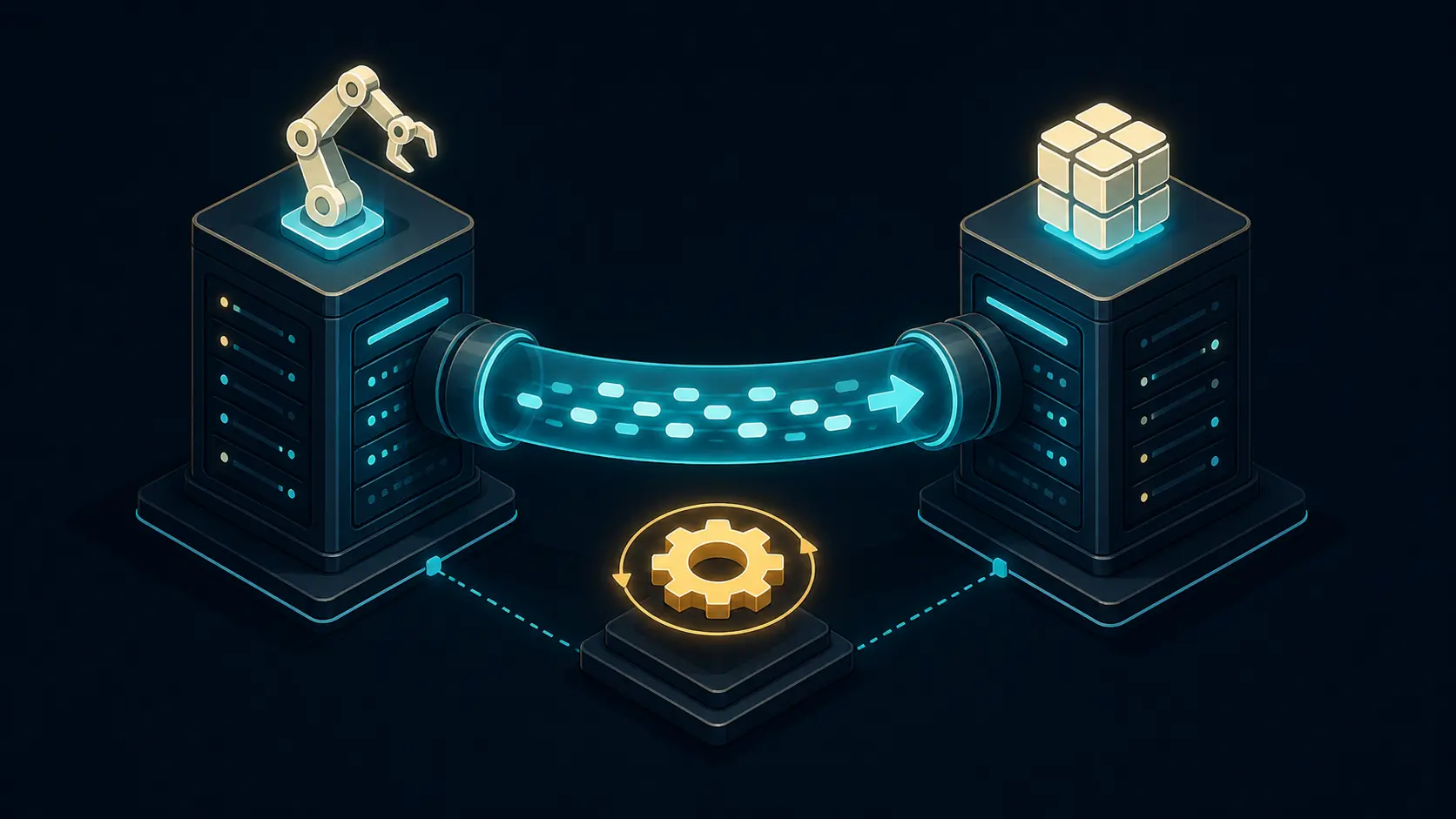
Even strong assessment tools fail if data does not flow smoothly into your ATS and recruiter workflow. A key part of how to choose ai-driven interview software for tech roles is validating integration quality in realistic conditions.
Minimum integration checks:
- Candidate profile sync with stable unique IDs
- Requisition and stage mapping with clear status rules
- Interview completion writeback to ATS timeline
- Score and summary mapping to standardized fields
- Retry logic and alerts for failed sync events
Ask vendors to demonstrate failure scenarios, not only happy paths. A reliable platform should show what happens when an API request fails, when fields are missing, or when stage labels differ across departments.
Recruiter tip: request a sandbox walkthrough using your real stage names and one real requisition template. This quickly reveals whether implementation will be smooth or service-heavy.
A hidden cost many teams miss is manual reconciliation. If recruiters must fix records daily, adoption drops and reporting becomes unreliable. Integration quality is not a technical detail; it is a productivity multiplier.
Security, Compliance, and Fairness Risk Review
Any decision about how to choose ai-driven interview software for tech roles should include legal and governance stakeholders early. Interview data can include transcripts, recordings, behavioral notes, and potentially sensitive candidate information.
A practical governance review should cover:
- access controls by recruiter or interviewer role,
- data retention and deletion policies,
- documented data processing agreements,
- regional privacy compliance requirements,
- and audit trails for score changes.
Fairness also matters beyond compliance. AI should support structured decision-making, not replace human judgment. Interview outputs must be interpreted through role criteria and reviewed by trained interviewers.
A strong safeguard is monthly calibration: compare score distributions by role and interviewer group, then review outliers. If one panel consistently rates lower without supporting evidence, retraining should happen quickly.
In short, the best answer to how to choose ai-driven interview software for tech roles includes both quality outcomes and risk controls from day one.
Build a Weighted Scorecard for Vendor Comparison
When multiple vendors look similar, a weighted scorecard helps teams avoid decision bias. Instead of debating opinions, compare evidence against fixed criteria.
Example weighted model:
- Assessment validity for technical roles: 30%
- Workflow and ATS integration quality: 20%
- Recruiter and interviewer usability: 15%
- Candidate experience quality: 10%
- Analytics and reporting depth: 10%
- Security and compliance readiness: 10%
- Total cost and support model: 5%
You can adapt weights by company stage, but keep the model stable during evaluation. Changing criteria late usually means stakeholders are arguing from preference, not outcomes.
This scorecard approach makes how to choose ai-driven interview software for tech roles more defensible when presenting recommendations to leadership.
Sample Evaluation Template
Use a shared sheet where each stakeholder scores independently, then reviews gaps together:
- Capability tested (for example: backend role rubric quality)
- Evidence source (demo, sandbox, pilot, customer reference)
- Score from 1-5
- Risk note (low or medium or high)
- Required mitigation before rollout
This simple format improves decision clarity and shortens procurement cycles.
Pricing and ROI: What to Measure Beyond License Cost
Teams often focus on annual subscription price and ignore operational return. A smarter way to evaluate how to choose ai-driven interview software for tech roles is to model both direct and indirect impact.
Track at least these outcomes during pilot:
- reduction in recruiter screening time per role,
- improvement in interview completion rates,
- speed from application to technical round,
- variance reduction in interviewer scores,
- and reduction in role re-openings due to poor fit.
If a platform costs more but significantly improves decision quality and reduces bad hires, the business case can still be stronger than a low-cost alternative.
A practical ROI example:
- 20 engineering hires per quarter
- 1.5 recruiter hours saved per hire in early stages
- 30 hours total monthly hiring manager time saved in debriefs
- fewer delayed offers due to faster, clearer decisions
Even conservative assumptions can justify investment when the platform improves both speed and quality.
45-Day Pilot Plan to Validate Real Hiring Value
A pilot should answer one question: does the tool improve outcomes in your workflow, not just in vendor scenarios?
Days 1-10: Scope and Baseline
- Select 1-2 tech roles with active hiring demand
- Document current funnel metrics and decision pain points
- Define mandatory success thresholds
Days 11-25: Configuration and Training
- Configure role-specific rubrics and stage mapping
- Train recruiters and interviewers on evidence-based scoring
- Run internal dry runs before candidate usage
Days 26-45: Live Pilot and Review
- Launch on selected requisitions
- Monitor integration reliability and interviewer adoption
- Review candidate feedback and completion rates weekly
- Compare pilot outcomes with baseline data
At the end, produce a short decision memo: expand, adjust, or stop.
Running a pilot this way keeps how to choose ai-driven interview software for tech roles grounded in real data, not assumptions.
Common Mistakes Teams Make During Tool Selection
Even experienced hiring teams make avoidable errors during procurement. Here are the most common ones:
- Choosing based on UI polish instead of assessment quality
- Ignoring interviewer enablement and calibration needs
- Accepting broad claims without role-specific testing
- Skipping security review until contract stage
- Running pilots without measurable success criteria
- Expanding globally before process stability is proven
One more mistake is evaluating tools only through TA stakeholders. Include at least one engineering manager and one interviewer lead in final scoring. They see practical workflow issues earlier than procurement teams.
Avoiding these mistakes can save quarters of rework and improve confidence in adoption.
How to Practice Before a Real Interview
If your hiring team expects candidates to perform clearly under pressure, it is valuable to practice your own interview process with realistic simulations first. This helps recruiters and interviewers calibrate score expectations before live hiring decisions.
A practical option is getmockinterview, where teams can run AI-powered mock interviews, test role-specific prompts, and review instant feedback on answer structure and communication clarity. This is useful when introducing new scorecards or onboarding interviewers who need consistency training.
You can start with practice interview conversations with AI to rehearse your process design and then use realistic AI interview simulation sessions to benchmark interviewer scoring patterns.
When interviewers practice before high-stakes hiring cycles, decisions become faster, clearer, and more consistent for candidates.
Conclusion
A reliable framework for how to choose ai-driven interview software for tech roles starts with internal alignment, not vendor hype. Teams that define role-specific needs, measure outcomes, and validate integration quality make better long-term choices.
Focus on three priorities: technical assessment validity, workflow reliability, and governance readiness. These factors protect hiring quality while helping teams scale efficiently.
Start with a structured pilot this month, use a weighted scorecard for decision-making, and expand only after your data shows clear improvement. With that approach, your software choice can become a strategic advantage in tech recruitment.