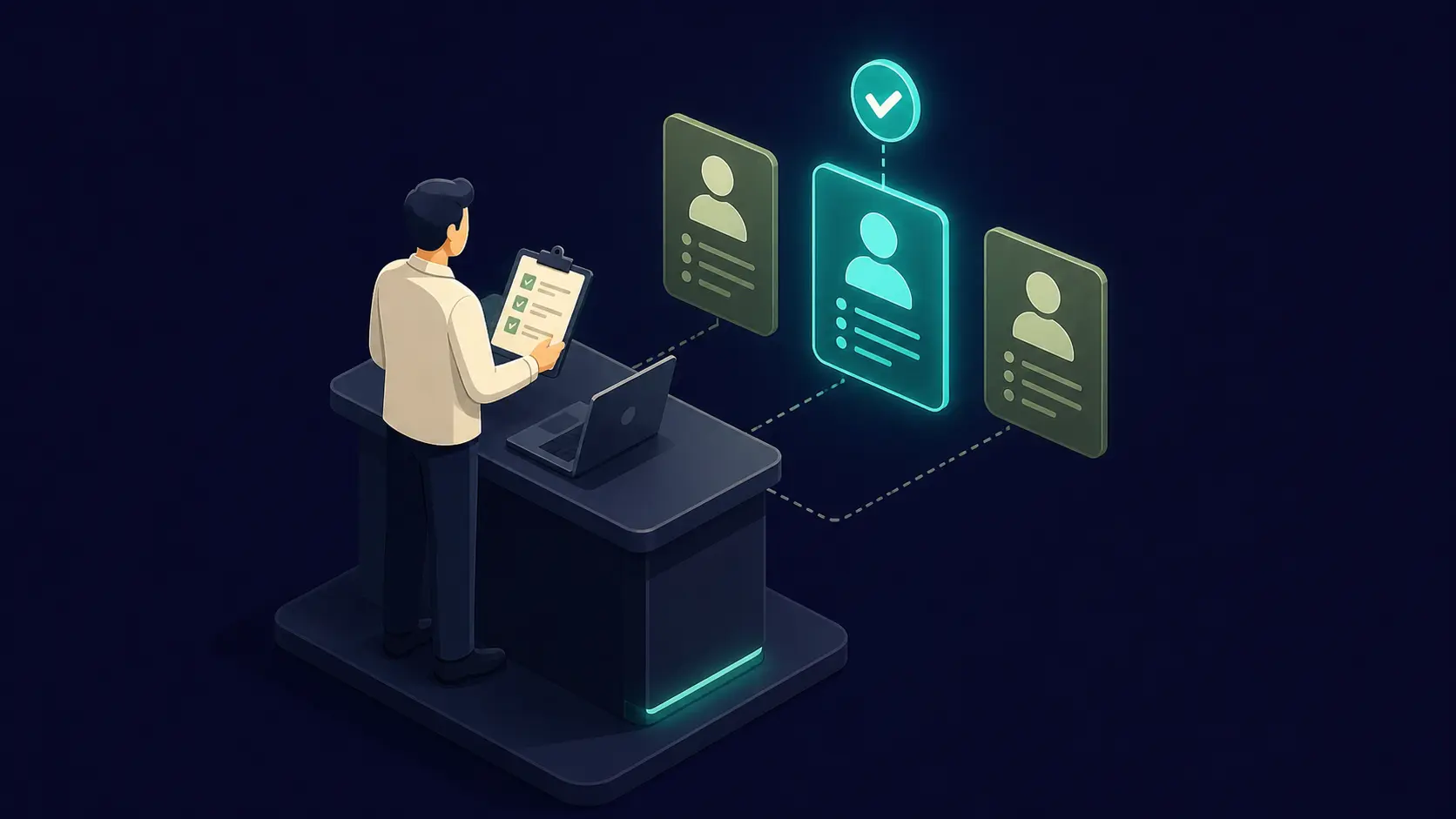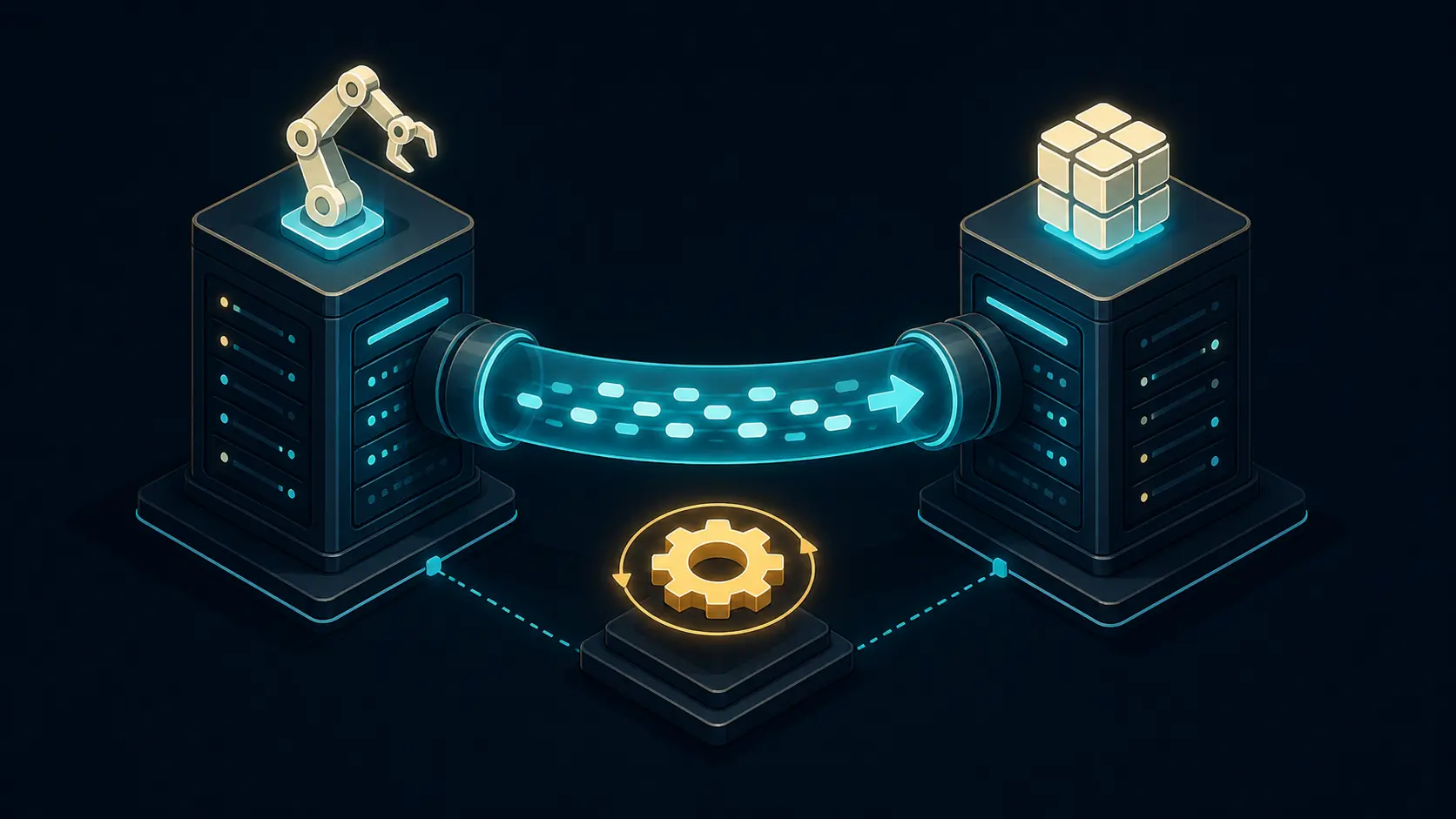

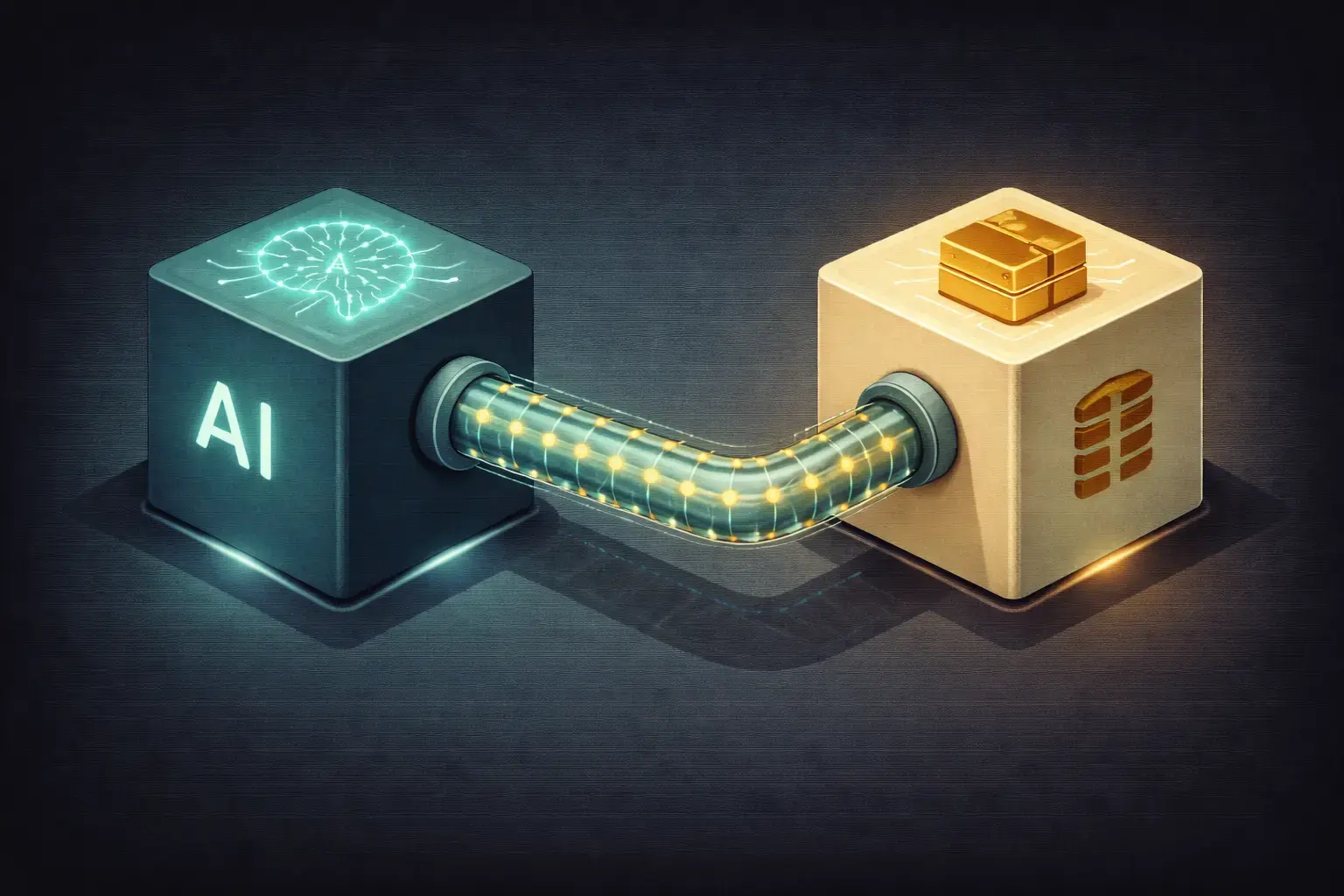
Hiring teams no longer evaluate candidates in one isolated system. Most organizations already rely on an ATS to manage applications, scheduling, and communication. At the same time, AI-powered interview tools are becoming common for mock practice, pre-screening, and structured assessment. That leads to a practical question recruiters and operations leaders ask early in implementation: can you integrate mock interview ai with ats recruitment systems?
The short answer is yes, but success depends on architecture choices, data governance, and change management. A rushed integration can create duplicated candidate records, unreliable score fields, or workflows that frustrate recruiters. A well-designed integration, however, can reduce manual work, speed up screening cycles, and improve interview consistency across high-volume hiring.
This guide breaks down the full decision path for teams evaluating can you integrate mock interview ai with ats recruitment systems in real production environments. You will learn what to connect first, which data fields matter most, how to protect candidate privacy, and how to launch with measurable outcomes instead of assumptions.
Why Teams Ask This Question Now
When organizations scale hiring, recruiters face two common bottlenecks: interview capacity and inconsistent evaluation quality. Recruiters spend time moving data between tools, while hiring managers struggle to compare candidates fairly when interview notes vary by interviewer style.
That is why the phrase can you integrate mock interview ai with ats recruitment systems now appears in more buying conversations, especially in tech, BPO, and graduate hiring pipelines. Teams are not just looking for another tool. They are looking for a connected workflow where interview insights move automatically into the systems recruiters already use daily.
Several trends are driving this urgency:
- High-volume roles require faster shortlisting without sacrificing quality.
- Distributed hiring teams need standardized interview scoring.
- Leadership wants auditable hiring data, not scattered notes.
- Candidate experience expectations are higher, especially for response speed.
- Compliance teams require tighter control over interview data processing.
From an operations perspective, integration is less about adding AI and more about removing process friction. If recruiters must export CSV files every day, adoption drops. If hiring managers cannot see interview evidence inside the ATS timeline, decision quality drops. If candidate status updates break across systems, trust drops.
A connected model solves these failure points by ensuring interview artifacts, scores, and progression signals are visible where the team already works.
What Integration Actually Means in Practice
Many teams ask can you integrate mock interview ai with ats recruitment systems as if integration is one switch. In reality, there are layers. Your technical and business priorities determine the level you should launch first.
Layer 1: Candidate and Job Sync
This is the baseline. Candidate identifiers, job requisition IDs, and stage names stay aligned between the ATS and the interview platform. Without this layer, downstream analytics become unreliable.
Minimum requirements:
- Unique candidate ID mapping
- Job/requisition reference mapping
- Stage/state synchronization rules
- Retry logic for failed sync events
Layer 2: Interview Session Orchestration
At this level, the ATS can trigger interview invitations or mock sessions based on pipeline stages. For example, moving a candidate from Applied to Phone Screen can automatically launch an interview workflow.
Typical capabilities:
- Trigger-based invites from ATS stage changes
- Candidate reminder sequences
- Interview completion status posted back to ATS
- Auto-tagging candidates who finished required steps
Layer 3: Scoring and Evidence Writeback
This layer creates real recruiter value. Structured scores, competency summaries, and transcript pointers appear directly in ATS fields or notes.
Typical writeback elements:
- Overall interview score
- Competency-level scores (communication, problem solving, role fit)
- Risk flags requiring human review
- Interview summary and timestamp
Layer 4: Reporting and Workflow Intelligence
Once core writeback is stable, teams can build dashboards for time-to-screen, completion rates, and quality correlations. This is where integration starts influencing strategic hiring outcomes.
If your team is still evaluating can you integrate mock interview ai with ats recruitment systems, start with layers 1 and 2 first, then add scoring writeback once data quality is proven.
Architecture Options: API, Native Connector, or Middleware
Choosing architecture early prevents expensive rework later. Most teams use one of three models.
1. Native Connector
Some AI interview platforms provide direct connectors for popular ATS tools. This is often the fastest path to pilot.
Pros:
- Fast implementation
- Lower engineering dependency
- Vendor-supported mapping templates
Cons:
- Limited customization
- Connector updates depend on vendor release cycles
- Complex hiring logic may outgrow default capabilities
2. Direct API Integration
Your team builds custom synchronization between ATS APIs and interview platform APIs.
Pros:
- Full control over workflows
- Custom field and logic mapping
- Better fit for enterprise governance policies
Cons:
- Higher engineering effort
- Ongoing maintenance burden
- Strong QA and monitoring required
3. Middleware/iPaaS Integration
Integration platforms can orchestrate data flow between systems with lower coding overhead.
Pros:
- Reusable integration logic
- Better observability than ad hoc scripts
- Scales across multiple HR systems
Cons:
- Additional vendor cost
- Team needs integration platform expertise
- Complex transformations still require technical oversight
A realistic recommendation: pilot quickly with a connector if available, then evaluate whether long-term governance needs justify API or middleware migration.
Data Mapping Blueprint You Should Define Before Launch
Before implementation, answer the question can you integrate mock interview ai with ats recruitment systems at the data-model level, not the feature-demo level.
Below is a practical field map many teams use:
- Candidate key: ATS candidate UUID -> AI platform candidate external ID
- Requisition key: ATS job ID -> AI platform role template ID
- Stage status: ATS stage name -> AI workflow trigger status
- Session result: AI completion status -> ATS custom field or activity log
- Score payload: AI competency scores -> ATS scorecard fields
- Interview notes: AI summary -> ATS note object with timestamp and source
Critical implementation rules:
- Never rely on candidate email as the only identifier.
- Enforce strict enum mapping for stage values.
- Version your score schema to avoid analytics drift.
- Capture sync source and timestamp in every writeback.
If these basics are skipped, teams often think the answer to can you integrate mock interview ai with ats recruitment systems is partly, when the real issue is poor mapping discipline.
Compliance, Privacy, and Fairness Requirements
Integration decisions are not only technical. They are legal and ethical. Interview data may include sensitive behavioral signals, transcript text, and potentially regulated personal information.
A governance checklist should include:
- Data processing agreement between all vendors
- Role-based access controls for score and transcript visibility
- Retention limits for interview recordings and transcripts
- Candidate consent language in invitation flow
- Regional compliance checks (GDPR, CCPA, or local labor policy)
Fairness considerations are equally important. AI outputs should support human judgment, not replace it. Recruiters and hiring managers need clear guidance that interview scores are decision inputs, not automatic pass/fail rules.
Recruiter tip from enterprise hiring teams: require calibration sessions every month. Compare AI-assisted scores with interviewer decisions, then investigate mismatches by role family. This keeps scoring use consistent and reduces bias risk over time.
When stakeholders ask can you integrate mock interview ai with ats recruitment systems, your most credible answer includes governance controls from day one, not as a post-launch patch.
90-Day Rollout Plan for Talent Acquisition Teams
A phased rollout reduces risk and improves adoption. Use this practical 90-day plan.
Days 1-15: Discovery and Success Metrics
- Define target roles for pilot (for example, SDR and junior developer).
- Document current screening workflow and bottlenecks.
- Agree on pilot KPIs: time-to-screen, completion rate, recruiter hours saved.
- Finalize data mapping and access permissions.
Days 16-35: Technical Build and QA
- Configure connector/API flows in staging.
- Validate candidate and requisition sync under test loads.
- Test failure and retry behavior for API timeouts.
- Confirm score writeback appears correctly in ATS views.
Days 36-50: Recruiter Enablement
- Train recruiters on interpretation of AI interview summaries.
- Publish SOP for exceptions and manual overrides.
- Provide quick-reference score interpretation guide.
- Run shadow mode where AI output is visible but not decision-binding.
Days 51-70: Controlled Pilot
- Launch pilot on limited roles and regions.
- Monitor sync errors daily.
- Track completion rates and candidate drop-off points.
- Collect recruiter and hiring manager feedback weekly.
Days 71-90: Evaluation and Scale Decision
- Compare pilot KPIs against baseline.
- Audit fairness and consistency indicators.
- Refine workflow triggers and field mapping.
- Approve phased expansion by department.
This plan turns can you integrate mock interview ai with ats recruitment systems from a yes/no question into a measurable operational program.
Realistic Scenario: Mid-Market Company Integration Outcome
Consider a 350-person SaaS company hiring 120 roles annually across sales, support, and engineering. The TA team used an ATS plus manual interview scheduling and recruiter-led phone screens.
Initial pain points:
- Recruiters spent too much time on repetitive screening calls.
- Hiring managers received inconsistent candidate notes.
- Pipeline bottlenecks appeared at early-stage qualification.
The team implemented an AI interview platform connected to ATS stage triggers. Candidates in selected roles received structured mock or pre-screen interviews before recruiter review. Scores and summaries were written back to ATS scorecard fields.
After two hiring quarters, the team observed:
- Faster triage for high-volume roles.
- Better consistency in first-round evaluation notes.
- Reduced manual administrative workload for recruiters.
What made this work was not just technology. They set clear SOPs for score interpretation, required human review for borderline cases, and ran monthly calibration meetings.
This is the practical difference between asking can you integrate mock interview ai with ats recruitment systems and implementing it in a way that hiring teams trust.
Common Mistakes That Break Integration Value
Even good tools can fail in poor execution. Avoid these frequent mistakes:
- Treating AI score as a final hiring decision instead of an input.
- Launching without recruiter training and decision guidelines.
- Ignoring failed sync alerts and retry logs.
- Overloading ATS with unstructured text that no one reads.
- Skipping change management for hiring managers.
- Measuring only speed while ignoring quality and fairness metrics.
One more critical mistake is trying to roll out globally in one step. Start with a role-based pilot, prove quality, then scale with confidence.
How to Practice Before a Real Interview
If your team is evaluating candidates, you should also evaluate your own interview process quality. Running mock sessions internally helps recruiters and hiring managers calibrate scoring before real candidate decisions.
A practical approach is to use getmockinterview for AI-powered mock interviews with realistic role-specific scenarios, then compare feedback outputs with your existing ATS scorecards. This gives your team a low-risk environment to test structure, timing, and rubric quality before broad rollout.
You can begin by running realistic AI interview simulation sessions for one pilot role and reviewing how those outputs map into recruiter workflow. Teams also use practice interview conversations with AI to standardize interviewer expectations across distributed hiring panels.
The best implementation teams do not just deploy software. They rehearse operations.
Conclusion
The strongest answer to can you integrate mock interview ai with ats recruitment systems is yes, when integration is designed as a hiring operations program, not a standalone feature rollout.
Focus on three priorities: reliable data mapping, responsible governance, and phased adoption with recruiter calibration. These steps improve both efficiency and decision quality while protecting candidate trust.
Start with a controlled pilot, measure outcomes against baseline metrics, and scale only after proving consistency. With that approach, your ATS and AI interview stack can become a meaningful advantage in modern recruitment.