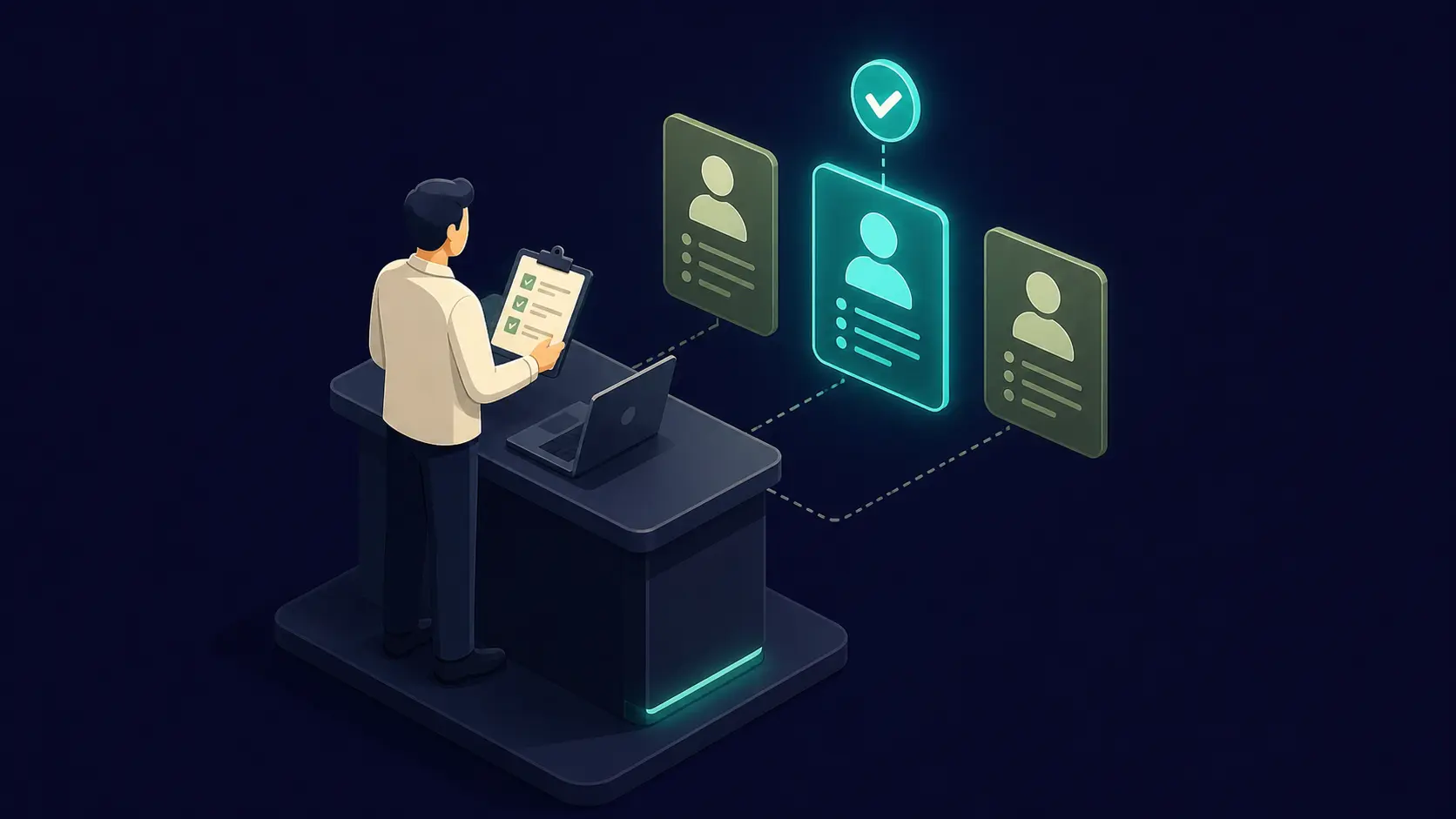

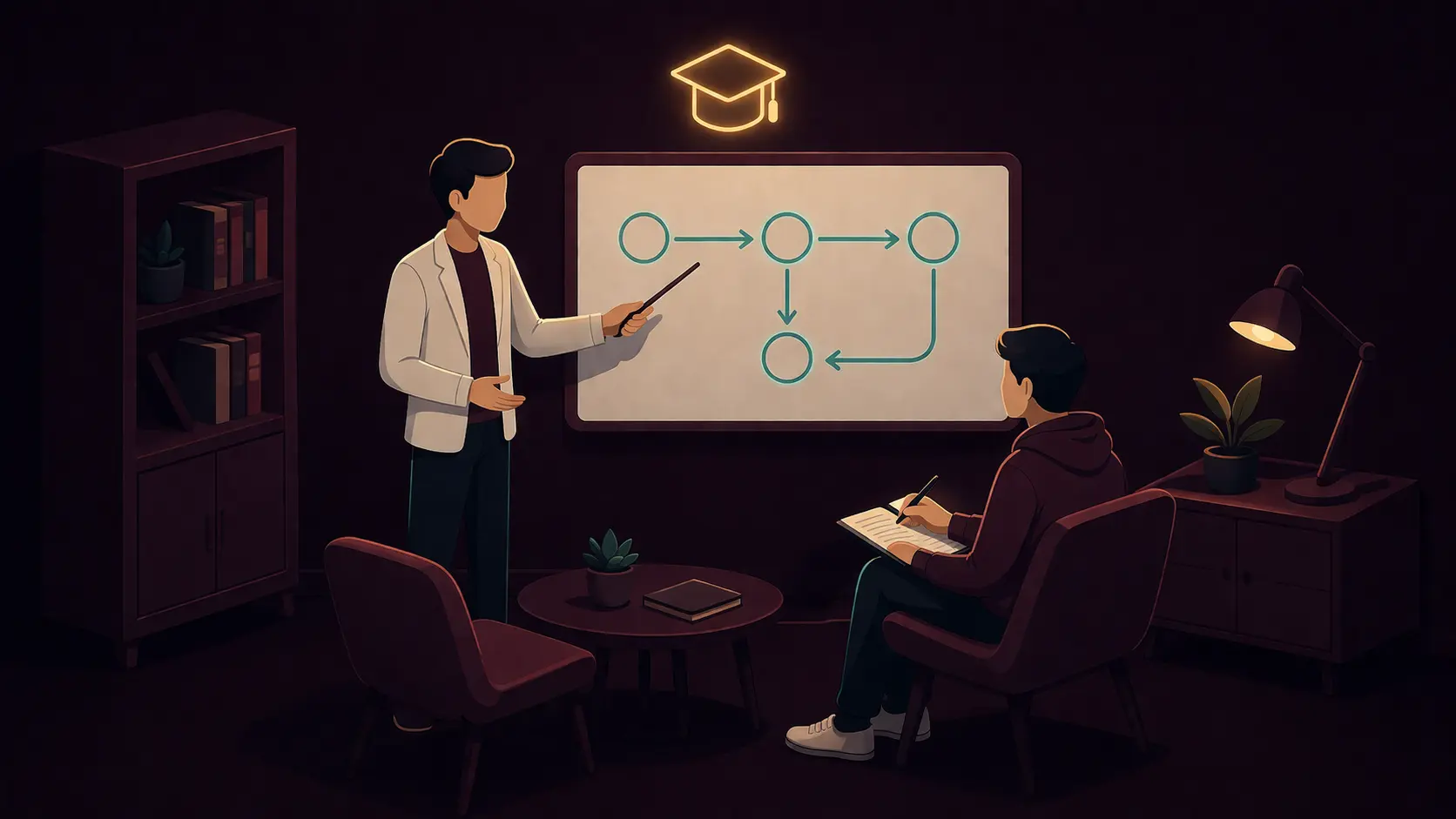
A career center mock interview is one of the most accessible ways to practice before employers, internships, or graduate programs. The challenge is not finding the service—it is using it well. Walk in unprepared and you may get polite tips. Walk in with stories, goals, and a feedback plan and the same career center mock interview can sharpen answers you will reuse for months.
This guide is for students and early-career candidates who want advisor-led practice to feel closer to a real loop: what to request, how to structure answers, and how to follow up so one session leads to the next improvement.
What a Career Center Mock Interview Usually Includes
Formats differ by school, but most career center mock interview blocks combine:
- A short intake (role, industries, timeline)
- A question set aligned to behavioral, situational, or technical screens
- Live or video practice with a staff member or trained peer
- Verbal feedback on content, clarity, and presence
- Sometimes a rubric or written summary you can revisit
Clarify length (20 vs. 45 minutes), whether it is recorded, and if you can request industry-specific prompts. That shapes how you prepare.
Why Advisor-Led Mocks Beat Casual Practice With Friends
Friends can be supportive; a career center mock interview usually adds:
- Neutral evaluation aligned with employer expectations
- Experience across many candidates and industries
- Honest signals on rambling, weak examples, or vague outcomes
- Guidance on virtual setup, attire, and professional tone
The goal is not praise—it is calibration before high-stakes conversations.
Before You Book: Minimum Prep
Bring more than a resume. For your next career center mock interview:
- 2–3 target job types with one posting each (skills and language to mirror)
- Six STAR or STAR-R story bullets covering conflict, failure, leadership, impact
- One "why this path" narrative under 90 seconds
- A list of organizations or programs you are targeting
- Tech check if the session is remote (camera, mic, lighting, quiet space)
Advisors can only coach what you show them; thin prep yields thin feedback.
Question Types to Ask For Explicitly
Balance your career center mock interview across:
- Opening and story: Tell me about yourself; walk me through your resume.
- Behavioral depth: Conflict, mistake, influence without authority, tight deadline.
- Situational: Ambiguous instructions, stakeholder pushback, prioritization.
- Motivation and fit: Why this role; why this organization type.
- Your questions: Close with two thoughtful questions, not filler.
If you only practice "easy" prompts, real interviews will still feel hard.
Frameworks Advisors Can Score Easily
STAR-R for behavioral answers: Situation, Task, Action, Result, Reflection.
Headline first for any answer: state your point in one sentence, then support with detail.
Ask at the end: "Did my opening sentence answer the question directly?" That one line fixes many weak career center mock interview performances.
After the Session: Turn Notes Into Practice
Within 24 hours:
- Rewrite one story with a clearer metric or outcome
- Record yourself answering one weak prompt again
- Book a follow-up career center mock interview if your center allows it
- Add one employer-specific detail to a "why this field" answer
Progress comes from iteration, not from a single appointment.
Mistakes That Waste Career Center Time
Avoid these and advisor time converts into measurable gains.
- Showing up without target roles or example jobs
- Answering in bullet fragments instead of full spoken responses
- Dismissing feedback as "not how my industry does it"
- Skipping the "questions for them" practice at the end
- Never returning for a second mock after improving
3-Session Progression (If Your Center Allows)
Session 1: Baseline—full mock, capture top three fixes.
Session 2: Same question bank with tighter structure and metrics.
Session 3: Harder follow-ups or a different interviewer persona.
Between sessions, add reps with AI-powered mock interviews so feedback from your advisor turns into muscle memory faster.
Questions to Ask Your Advisor
- Where did I lose you in my longest answer?
- Which story needs a stronger result or number?
- How was my pace and confidence compared to strong candidates you see?
- What should I drill before we meet again?
How to Practice Before an Interview
Pair every career center mock interview with timed, out-loud practice between visits. Mix behavioral and situational prompts. When the center is booked, use practice interview with AI for extra structure and speed.
Further reading and related guides
Federal Student Aid summarizes how to explore careers and prepare for interviews as part of long-term education planning—useful context when you set goals for advisor-led mocks. The National Association of Colleges and Employers career readiness competencies are a common reference for what campus coaches are trying to strengthen.
To align advisor feedback with structured scoring, see our rubric for mock interview sessions—useful when coaches and candidates share the same criteria.
Conclusion
A career center mock interview pays off when you treat it as coached rehearsal: clear goals, balanced question types, structured answers, and fast follow-up. Use advisor feedback to rewrite one story and rebook when you are ready to show improvement—not when you are starting from zero again.
Show up prepared, leave with written actions, and practice between sessions. That is how campus career services become a real edge in hiring.