
Why the Mock Interview Dress Code Matters
Practicing for interviews isn't just about answering questions—it's about getting into the right mindset. Your mock interview dress code plays a bigger role than you might think. What you wear can affect how confident you feel and how seriously you take the practice session. Whether you're preparing alone, with a mentor, or through a virtual platform, dressing intentionally can improve your focus and overall performance. For comprehensive interview prep, explore our mock interview questions guide to practice your answers.
While the purpose of a mock interview is to sharpen your communication and delivery skills, replicating a realistic interview atmosphere can make your practice more effective. Dressing appropriately helps bridge that gap between practice and performance.
What Is the Goal of a Mock Interview?
A mock interview simulates a real interview experience, allowing you to test how you think and speak under pressure. Some people do them in person with mentors or career coaches, while others use online platforms or record themselves to review later. The key idea is preparation—learning how to respond naturally to common questions, control your nerves, and improve your nonverbal communication.
Because it’s a simulation, the way you dress can either enhance or diminish that sense of realism. The more it feels like an actual interview, the more effective the practice will be.
When Dressing Up Is the Right Move
Dressing up for a mock interview doesn’t mean you have to wear a full suit every time. But taking the dress code seriously helps you step into a professional mindset. It reminds your brain, “This is practice for something important.”
- Video or Live Practice: If your mock interview takes place on camera or in person, wear what you would to a real interview. It helps with posture, tone, and self-awareness. Learn more about video interview preparation in our zoom interview tips guide.
- Professional Coaching: When working with a mentor, trainer, or recruiter, dressing up shows you value their time and feedback.
- Formal Industries: For corporate, finance, or client-facing roles, professional attire is worth practicing in—it mirrors the expectations of those fields.
- Confidence Boost: Even if no one else sees you, formal clothing can subconsciously improve confidence and attention to detail.
Think of dressing up as a small rehearsal for how you’ll present yourself on the real day. It’s part of building muscle memory for professionalism.
When It’s Fine to Keep It Casual
The beauty of mock interviews is flexibility. You don’t always need to dress formally—especially if your focus is on refining your answers or improving delivery. Sometimes, being comfortable helps you think more clearly.
- Solo Practice: When you’re running mock interviews by yourself or using AI-based tools, the dress code is optional. The goal is repetition and self-improvement, not presentation.
- Peer Practice: If you’re practicing with friends, keep it relaxed but neat. You can still simulate professionalism without overdoing it.
- Skill-Specific Sessions: When working on storytelling or technical answers, comfort can be more valuable than formality.
A mock interview should adapt to your needs. If wearing casual clothes helps you focus, that’s perfectly fine—just remember that mindset matters more than material.
How Clothing Impacts Performance
Studies in psychology show that clothing affects behavior and confidence—a concept known as “enclothed cognition.” When you dress like a professional, you tend to act like one. This doesn’t mean expensive outfits, but rather clothing that signals confidence and competence to yourself.
For some, casual wear might help them stay calm and authentic; for others, a business outfit helps trigger focus and motivation. Understanding what makes you perform best is part of developing your personal interview routine.
What to Wear for a Mock Interview
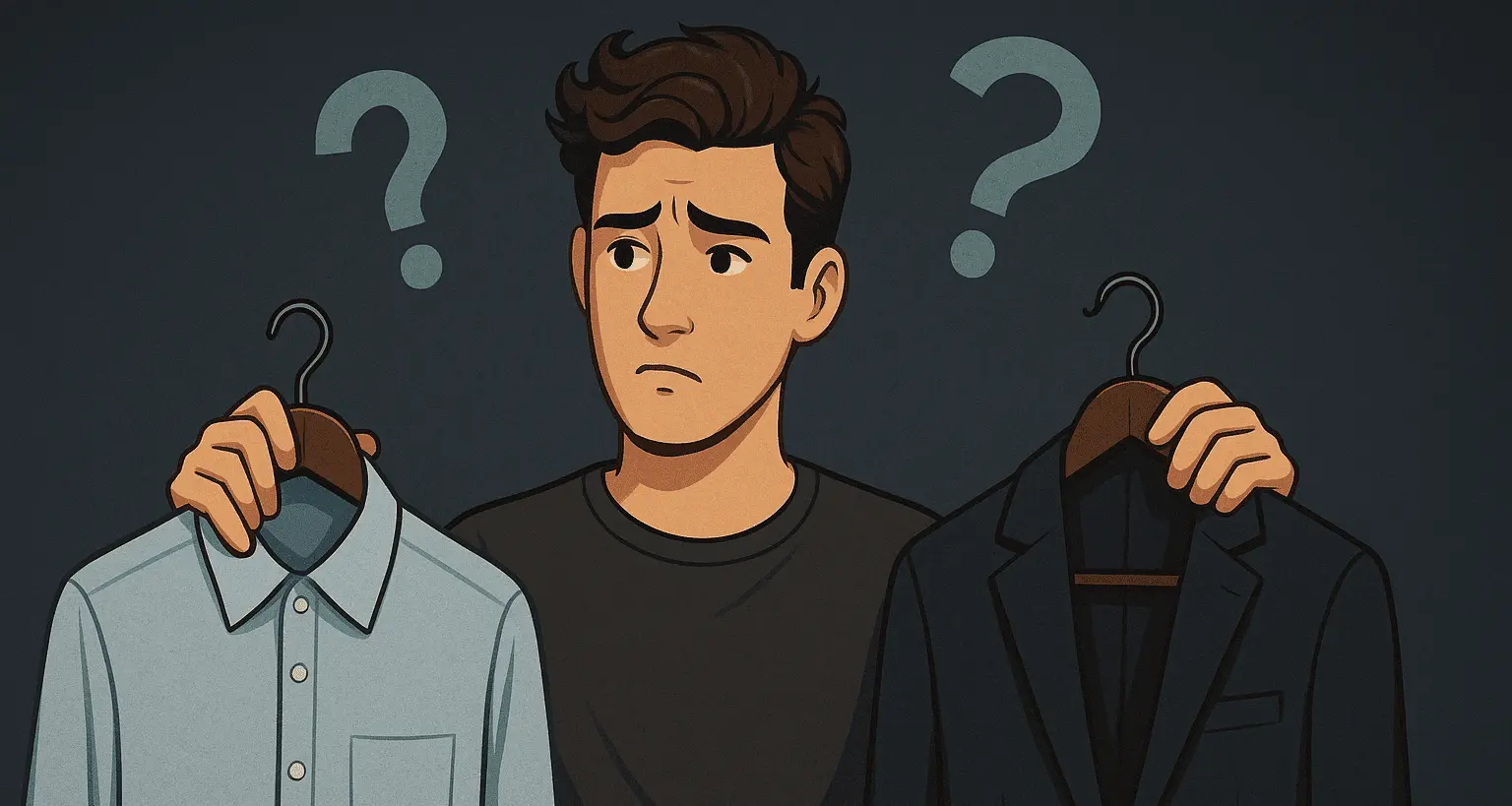
If you’re unsure what fits your mock interview dress code, use the same standard you would for the real thing. Here are a few general guidelines:
- Business Formal: A suit, blazer, or conservative dress—ideal for finance, law, or corporate positions.
- Business Casual: Collared shirts, neat blouses, or simple dresses work well for tech, startups, and creative roles.
- Smart Casual: If you’re at home, go for clean, comfortable, and distraction-free attire. No need for ties, but skip anything sloppy or overly casual.
The right outfit should help you feel composed and ready, not restricted or uneasy. If you wouldn’t wear it to an actual interview, it’s probably not ideal for practice either.
Mock Interview Best Practices
- Set clear goals for each mock interview—confidence, timing, or delivery.
- Simulate a realistic setting: quiet, well-lit, and interruption-free.
- Decide how formal you want the session to feel and dress accordingly.
- Record your answers for self-review—body language often matters as much as words.
- Review feedback honestly and adjust both communication and presentation for next time.
Remember, practice builds familiarity. Whether you’re suited up or in smart casual wear, consistency is what leads to genuine improvement.
The Modern Approach to Mock Interviews
Many candidates now use online mock interview tools that let them practice anywhere, anytime—without worrying about what they’re wearing. These sessions focus on communication, tone, and clarity rather than visual appearance. They’re great for frequent, low-pressure practice and reviewing real-time feedback.
The goal of the mock interview dress code isn’t perfection—it’s alignment. Match your outfit to the context of your session. If you’re recreating a real interview environment, go formal. If you’re working privately on your speaking confidence, comfort is perfectly acceptable.
Ready for Your Mock Interview
You don’t always need to dress up for a mock interview, but you should always take it seriously. The right mock interview dress code is the one that helps you focus, stay confident, and perform naturally. Treat every session as a step closer to mastering your real interview—because it is.
Whether you’re in formal attire or casual wear, the goal remains the same: preparation. Practice deliberately, reflect often, and let each session move you one step closer to success.